Authorized:











Workout Sleds
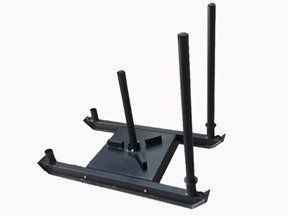
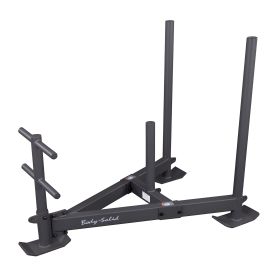


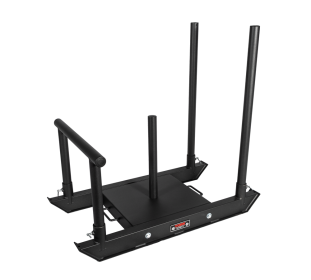
Fitness Sleds for Sale: Weight Sleds for Every Surface and Setup
Fitness sleds are steel frames you load and then push, pull, or drag for strength and conditioning work. Hamilton Home Fitness stocks workout sleds from $228.80 to $4,499.00—compact home drag sleds, a commercial power sled, and a premium smart sled—with nationwide US shipping.
The right sled depends on your floor, your space, and how you plan to train. This page breaks down the sled types, the specs that actually matter, and which models fit a garage gym versus a busy facility, so you can order once and train for years.
Why Train With a Weight Sled
A weight sled builds strength, power, and conditioning in one tool, with less joint stress than most loaded lower-body work. You drive the sled forward or tow it behind you, and the resistance scales with whatever plates you add.
Sled work is almost entirely concentric—there is no lowering phase—so it tends to leave you less sore than an equal dose of squats or sprints. That makes it easy to train often: heavy pushes for leg strength one day and light fast drags for speed the next. Coaches lean on sleds for exactly this range, from athlete acceleration work to general conditioning finishers.
What muscles does a sled work? Pushing and dragging hit the quads, glutes, hamstrings, calves, and core, while pulls and rope rows bring in the upper back, shoulders, and arms. Load and direction shift the emphasis, so one sled covers a lot of programming ground. Sled training is also popular with people managing cranky knees or backs because the movement stays low to the ground and controlled—though anyone recovering from an injury should clear it with a doctor or physical therapist first.
Types of Fitness Sleds Compared
There are four sled styles worth knowing: push sleds, drag sleds, push-pull power sleds, and smart resistance sleds. The differences come down to how you grip the sled and where you can use it.
| Sled type | How you train | Best surfaces | Who it suits |
|---|---|---|---|
| Push (prowler-style) | Drive against upright posts | Turf, smooth pavement | Heavy leg drive, team drills |
| Drag sled | Tow with a strap or harness | Grass, turf, concrete | Sprint work, small spaces |
| Push-pull power sled | Posts plus tow points | Turf, grass, pavement | One-sled versatility |
| Smart resistance sled | Adjustable resistance built in | Indoor floors, turf | Facilities, fast load changes |
Push sleds reward long lanes and hard leg drive. Drag sleds are the most forgiving—simple, low, easy to store, and effective even in repeated 5–10 yard efforts. A push-pull design like the Tag Fitness Commercial Power Sled covers both jobs, which is why it is the common pick for gyms that want one sled to serve every member. At the top of the range, the BodyKore Smart Sled Pro trades plate-loading for built-in resistance you can change in seconds—useful when back-to-back users need different loads.
How to Choose a Fitness Sled
Match the sled to your surface before anything else. A sled that fights your floor gets used twice and then parked, no matter how well it is built.
- Turf and grass suit every sled style, including heavy pushes.
- Concrete and asphalt favor dragging; runners wear them faster, but the training is excellent.
- Indoor rubber or hard floors are where wheeled and smart sleds earn their price.
Can you use a fitness sled on concrete? Yes—dragging on concrete works well and is how many garage and driveway lifters train. Heavy pushing on bare concrete is the weak spot: it is loud, the resistance turns jerky, and skis wear quickly. If concrete is all you have, build your training around drags and pulls, or budget for a wheeled or smart sled.
From there, check the hardware. Posts should accept the plates you already own, and a sled with both high and low grip positions lets you push upright or drive low like a sprinter. Tow rings matter more than most buyers expect, since drags and sprints need a strap or a Body-Solid sled harness to attach cleanly. Plan for plates in the budget too—bumper plates or iron both work when the post size matches.
How much weight should you put on a sled? Load to the goal, not the maximum. Lighter loads that let you move fast build speed; heavy loads you can still move with clean posture build strength. Start conservative, add plates set by set, and let technique decide the ceiling.
Key Selection Criteria
✅ Surface fit first: turf, grass, or concrete
✅ Push posts at heights that suit your grip
✅ Tow points for a harness or pull strap
✅ Post size that matches your weight plates
✅ Weight capacity beyond your heaviest load
✅ Empty sled weight you can still handle
✅ Footprint that fits your training lane
✅ Steel build with a rust-resistant finish
✅ Skis or runners suited to your floor
✅ Home, commercial, or smart-sled duty level
✅ Room in the budget for plates and straps
Ready to compare models side by side? Browse the sleds above, check the specs on each product page, and add the one that fits your floor to your cart.
Sleds for Home Gyms and Facilities
Home buyers should prioritize footprint, storage, and noise. A compact drag or push-pull sled slides against a garage wall between sessions, and driveway drags keep the workout outside where scraping steel bothers no one. Empty sled weight counts here too—you are the one carrying it out and back.
Facilities have a different checklist: duty rating, turnover speed, and durability under daily abuse. A commercial-grade steel sled handles class after class, while a smart resistance sled removes the plate-swapping bottleneck when a dozen members share one lane. Outfitting a training room, school weight room, or studio from scratch? You can book a gym design consultation and get the sled, flooring lane, and supporting equipment planned together.
Why Buy Sleds From Hamilton Home Fitness
You get multiple sled brands in one place, compared honestly, from an authorized dealer. Hamilton Home Fitness carries workout sleds from Apollo, York Barbell, TAG Fitness, Body-Solid, and BodyKore—$228.80 to $4,499—so a $270 York Barbell Weight Sled and a $4,499 smart sled sit on the same page for a fair comparison.
Every order ships nationwide across the US, with free shipping on select brands including TAG Fitness and Body-Solid. Sleds also pair naturally with the rest of the cross-training collection—plyo boxes, battle ropes, and pull-up bars—if you are building a full conditioning corner rather than buying a single piece.
Fitness Sled FAQs
Pushing a sled or dragging a sled: which is better?
Neither is better overall; they train differently. Push sleds reward heavy leg drive and need a longer lane, while drag sleds are lighter, cheaper, easier to store, and work in short spaces. A push-pull power sled covers both if you only want to buy one.
How much do fitness sleds cost?
Fitness sleds here run from $228.80 to $4,499. Plate-loaded steel sleds from Apollo, York Barbell, Body-Solid, and TAG Fitness fall between $228.80 and $550, while the BodyKore Smart Sled Pro sits at $4,499 with built-in adjustable resistance. Price climbs with build grade, features, and how many people the sled must serve daily.
Do weight sleds come with plates?
Most weight sleds ship as the sled only, and you load them with plates you buy or already own. Check each product page for what is included, and confirm the post size matches your bumper or iron plates before ordering.
Are sled workouts good for beginners?
Yes—sled training is one of the easier strength tools to learn because the movement is simple and the load starts as light as the empty sled. Beginners can walk with a light drag and progress by adding small plates. Anyone with an existing injury or medical condition should check with a professional before starting.
How much space does sled training need?
Less than most people assume. Pushes are best with a lane of roughly 10–20 yards, but drags stay productive in repeated 5–10 yard efforts, and a driveway or backyard strip works fine. Measure your longest straight line before choosing between a push sled and a drag-focused setup.
Do you ship fitness sleds nationwide?
Yes, sleds ship across all US states, with free shipping on select brands, including TAG Fitness and Body-Solid. Each product page lists the shipping details for that model.
Pick the sled that matches your surface and your space, then order it today—checkout is straightforward, shipping covers the whole US, and support from an authorized multi-brand dealer backs every purchase.
Secure Payments