- SUNNY HEALTH AND FITNESS
Authorized:











Dip Bars
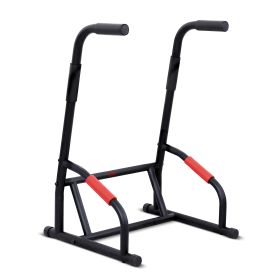


Dip Bars for Home Gym: Premium Equipment for Real Strength
Dip bars turn a small corner of your home into a complete upper-body training station. The right pair lets you build chest, triceps, shoulder, and core strength with the kind of clean, controlled reps that machines simply cannot replicate. At Hamilton Home Fitness, every option in this dip bars for home gym collection is engineered for stability, joint-safe ergonomics, and a refined finish worthy of any room you train in.
Why Dip Bars Belong in Home Gyms
A dip bar is one of the highest-return tools you can place in a home gym. It costs less than most machines, takes up a fraction of the footprint, and trains more muscle per rep than almost any other bodyweight movement. Are dip bars good for a home gym? Yes—dips load the chest, triceps, and shoulders through a full range of motion, while L-sits and leg raises turn the same equipment into a serious core station. One purchase, dozens of progressions.
Premium dip bars also outlast cheap alternatives by years. Heavy-gauge steel, properly welded joints, and corrosion-resistant finishes mean you stop replacing wobbly gear and start trusting your equipment under load—the difference between a workout you push and a workout you cut short.
Types of Dip Bars for Home Use
Not every dip bar suits every home gym. The category breaks into five core formats, and the right one depends on your ceiling height, your floor space, and how heavy you plan to train.
- Freestanding parallel dip bars — two independent stands placed shoulder-width apart. Compact, portable, and ideal for apartments or shared rooms.
- Adjustable dip stations — height- and width-adjustable units that grow with you. Best where multiple people train in the same space.
- Power tower combos — all-in-one units that pair dip bars with a pull-up bar and knee-raise station. Maximum exercise variety per square foot.
- Wall-mounted dip bars — fixed-position bars that anchor into studs or masonry. Rock-solid stability with zero floor space used.
- Rack-mounted dip attachments — bolt-on bars for an existing power rack. The strongest option for weighted dips and chest-driven volume work.
Pick by your real constraint first—space, ceiling, ambition—then by the feature list. If you want one frame that handles dips, pull-ups, and knee raises in a single footprint, the VEVOR Power Tower dip station is a strong all-in-one choice for most home setups.
How to Choose the Right Dip Bars
Start with stability, then add ergonomics, then look at versatility. Cheap dip stations fail in exactly that order. What should I look for when buying dip bars? Focus on frame thickness, base width, grip diameter, rated weight capacity, and the quality of the height-adjustment system. A bar that wobbles under deep reps will quietly shorten your range of motion—and your results.
The table below makes the trade-offs easier to compare side by side:
| Format | Best For | Footprint | Strength Ceiling |
|---|---|---|---|
| Freestanding parallel | Small spaces, beginners | Low | Moderate |
| Adjustable station | All-around home use | Low–Medium | Moderate–High |
| Power tower combo | Mixed pulling and pushing | Medium | Moderate |
| Wall-mounted | Permanent setups | None (wall) | High |
| Rack attachment | Heavy-weighted dips | Shared with rack | Very High |
How much weight can a dip bar hold? Quality home-use dip bars typically support 300 to 800 pounds of total load, including body weight plus anything added on a dip belt. Always read the rated capacity carefully—a 400-pound rating is not a 400-pound user with a 100-pound belt safely.
Key Selection Criteria
Use this short checklist before you buy:
✅ Heavy-gauge steel frame
✅ Wide, stable base footprint
✅ Welded joints, not bolts alone
✅ Padded ergonomic hand grips
✅ Adjustable height for all users
✅ Rated capacity above your max load
✅ Rust-resistant powder coating
✅ Non-slip rubber foot pads
✅ Quick, tool-light setup
✅ Refined finish for any room
✅ Compatible with a dip belt
✅ Backed by a real warranty
Exercises You Can Train at Home
Dip bars unlock far more than dips. What exercises can you do on dip bars? Once the bars are set, you can train.
- Straight-bar and bent-knee dips for chest and triceps
- L-sits and tuck holds for deep core engagement
- Hanging or supported knee raises for lower abs
- Inverted rows for back and rear delts
- Neutral-grip push-ups that spare the wrists
- Static holds and lockouts for tendon strength
- Pike progressions toward handstand work
That range is exactly why dips remain a cornerstone of calisthenics, strongman accessory work, and rehabilitation programming. One station quietly replaces several single-purpose machines—without sacrificing depth or transfer.
Who These Dip Bars Suit Best
The honest answer: good dip bars suit almost any adult training at home, but a few audiences get the most value. Calisthenics athletes use them for progressions all the way to muscle-ups. Strength lifters add weighted dips to drive bench-press accessory volume. Older adults rebuild upper-body confidence with shorter ranges and supported reps. Parents teach kids a first proper push-up and leg raise on the same frame.
Small studio owners and corporate wellness rooms also lean on dip stations because they free up floor space and meet every fitness level in the room. If your setup already includes a rack, the Hamilton home gym power rack lineup pairs cleanly with a rack-mounted dip attachment for heavier weighted work.
Care, Setup, and Long-Term Value
Premium dip bars are nearly maintenance-free. Wipe the frame after sweaty sessions, check bolts every few months, and keep the base on a level surface. Powder-coated finishes resist rust well indoors; in garages, a quick wipe-down after humid days keeps them looking new.
Setup is usually a 10- to 20-minute job for freestanding and adjustable units. Wall-mounted bars need stud anchors or masonry hardware—never install on drywall alone. If you are pairing dip bars with a premium pull-up bar for home, plan your wall and ceiling clearance together so both stations have full range of motion.
For commercial settings—physical therapy clinics, boutique studios, and athletic training rooms—step up to a commercial-grade dip station engineered for daily multi-user load. The frame, padding, and grip surfaces are built for hours of use, not minutes. Pair either option with an adjustable weight bench and you have a near-complete upper-body station in well under 20 square feet.
Start Training With Confidence
The right dip bars are the kind of equipment you buy once and use for decades. They turn small spaces into serious gyms, protect your joints with smart ergonomics, and meet you at every stage of your training—from your first assisted dip to weighted singles. Browse the full range at Hamilton Home Fitness, pick the format that fits your space, and place your order today. Your stronger, steadier upper body starts the day your dip bars arrive.
Secure Payments