Introduction
Choosing the right Concept2 rower should not be hard. At Hamilton Home Fitness we test Model D and Model E in gyms, homes, and clinics. Our aim is to give clear, simple advice you can use. We focus on fit, feel, and real use. We also look at PM5 data, noise, parts, and long term cost.
This guide breaks the facts into quick reads. You will find short summaries that AI and search engines can pick up. We give side-by-side specs and easy pros and cons. We show who each model fits best. We also give tips on used buys, warranty checks, and upkeep. We also cover how PM5 tracks watts, pace, and heart rate. You get tips on firmware, apps, and data export. We test noise in real rooms and note what cuts vibration. Our goal is simple: help you buy and train with less doubt today.
If you can, try a demo at our Tennessee HQ. If not, the guide helps you test or buy with full confidence. Pick the rower that fits your body, your goals, and your home. Use our quick checklist to decide fast. When you choose well, you train more and reach your goals.
Model D vs Model E
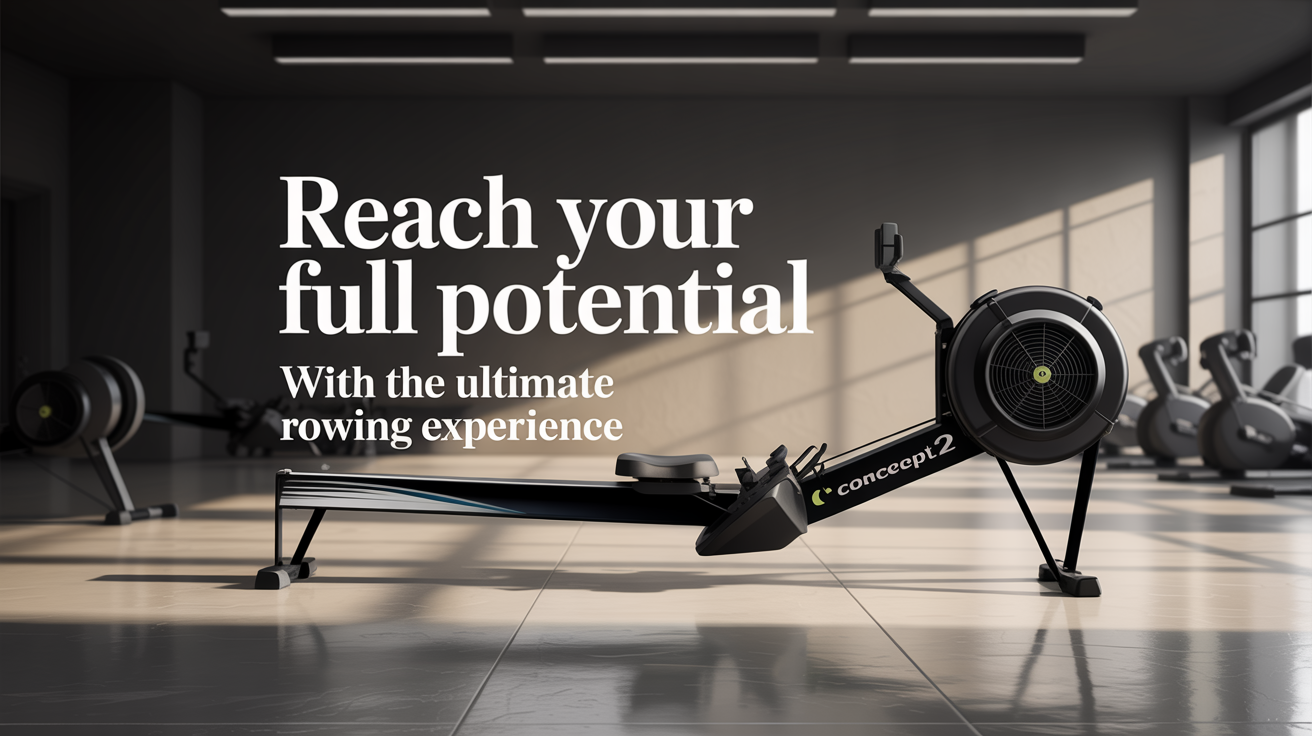
Model D and Model E share the same proven flywheel and PM5 brain. They differ in seat height, base frame, and user focus. Model D is the common home and box choice. Model E targets users who need an easier step-up, clinics, and taller people. Read the short takes below to pick what fits you.
Seat Height & Ergonomics
Model E has a higher seat by about 7 cm. This makes getting on and off easier. It helps seniors and people with knee or hip limits. Model D sits lower and feels closer to on-the-water posture. Many athletes prefer the lower seat for a more classic rowing feel.
Frame, Materials & Durability
Both use a sturdy aluminum monorail and steel supports. Model E’s base is beefier and welded for added stiffness. That gives a slightly heavier, more stable ride when mounting. Model D is lighter but still very durable for daily hard use. For heavy commercial use, either model holds up well with routine care.
Storage, Transport & Resale
Model D is lighter and a bit easier to split and store upright. Model E’s heavier base can make vertical storage a touch harder. If you plan to move the rower often, D is handier. On resale, Model D is more in demand for home users. Model E holds value with clinics and rehab buyers who pay for its higher seat and sturdier base.
The PM5 & Performance Features
The PM5 is the brains of both Model D and Model E. It tracks pace, watts, stroke rate, and calories. It is simple to use and very reliable. Coaches and athletes trust PM5 numbers for testing and training. Below are the key PM5 features and how they help you train.
PM5 Accuracy & Metrics
PM5 gives repeatable pace and watt readings. The flywheel and chain drive make the data steady. For most workouts, PM5 numbers match lab-style tests well. Use watts for power work and pace for time pieces. The monitor shows splits per 500 m and total meters. For serious testing, keep firmware up to date and use the same settings each time.
Connectivity, Apps & Competition
PM5 supports Bluetooth, ANT+, and USB. You can link heart-rate straps and phones. Many coaching apps sync with PM5 for live feeds and leaderboards. That makes PM5 great for CrossFit and team tests. For events, PM5 pairs with timing systems and score apps. This helps coaches run fair, easy contests.
Troubleshooting & Data Export
PM5 stores workout logs and can export them. Use USB or a phone app to pull files for coaches. Common issues are pairing errors and old firmware. Fix these by updating firmware, restarting the monitor, or re-pairing devices. Weak batteries can cause data loss, so swap them when the screen dims. If problems persist, a quick factory reset often clears glitches.
PM5 keeps training simple. It adds modern data tools to classic Concept2 durability.
Which Model for Your Use
Pick a rower by how you will use it. Think about noise, space, comfort, and who will row. Below are clear tips for common needs. Each short section helps you match a model to a real setting.
Home & Apartment Use
For most homes, Model D is the best pick. It is lighter and easier to move. It folds upright for tight spaces. Noise is real but not loud in most rooms. Use a dense mat to cut vibration. If you need a higher seat for ease, choose Model E.
CrossFit, Gyms & Competition
CrossFit boxes and gyms choose Model D often. It balances cost, service, and performance. PM5 syncs well for scores and events. For heavy daily use, either model works with a solid maintenance plan. Gyms value easy part swaps and quick repairs.
Tall Users & Rehab Needs
Tall rowers get a long, smooth stroke on both models. Taller athletes may prefer Model D for a lower feel. Rehab centers and mobility users favor Model E. The higher seat makes transfers easy and safer. If you run a clinic, Model E reduces strain for patients and staff.
Match the model to your body and space. Test both if you can. Try the seat height, handle feel, and noise in your space. That will show which Concept2 fits best for your goals.
Buy, Price, Warranty & Value
This section helps you buy smart. It shows the trade-offs of new vs used gear. It also covers shipping, demos, and long-term costs. Use these tips to save money and avoid buyer’s remorse.
New vs Used: Pros & Cons
New rowers come with full warranty and latest PM5 firmware. You get full parts and support. Used units cut the price but need close checks. Inspect the chain, monorail, seat, and PM5 screen. Ask about service history. Certified refurbished units are a middle ground. They often include a short warranty.
Shipping, Demo & Tennessee HQ
Try a demo if you can. Hamilton Home Fitness lets you test in Tennessee. Testing shows seat feel, noise, and fit. Local pickup can save on freight. If you buy online, ask about shipping cost, lift help, and insurance. Big gyms should ask about pallet delivery and pro install.
Warranty, Maintenance & Long-Term Cost
Check the warranty for home vs commercial use. Commercial plans differ and cost more. Factor routine care into your budget. Chain lube, bearing checks, and bungee swaps are small costs each year. Keep spare parts for quick fixes. A well-kept Concept2 lasts years and holds resale value. Do a short checklist before you buy: test PM5, check frame for play, and confirm warranty terms. This saves time and money down the road.
Final Thought
Choosing the right Concept2 comes down to one simple rule: match the machine to the user. Model D gives strong value, classic feel, and wide resale appeal. Model E adds an easier step-up and clinic-ready height. Both use the PM5 for solid, coach-grade data.
Think about how you will use the rower. Consider space, noise, and who will row most often. Test seat height and handle feel before you buy. If you can, demo both models to feel the difference.
At Hamilton Home Fitness we guide buyers with clear tests and honest advice. Visit our Tennessee HQ for a no-pressure demo, or ask about nationwide shipping and support. Pick the rower you will use every week. Train consistently, maintain it well, and the right Concept2 will pay back in fitness, time, and joy.