Weightlifting is a great way to get stronger, tone your body, and boost your fitness. But, many people, whether new to lifting or experienced, make mistakes that can slow progress or even cause injury.
To make the most of your workouts, it's important to use the right techniques, invest in good equipment like a barbell and dumbbell set, and avoid common mistakes.
In this post, we will explore the most common weightlifting errors and show you simple ways to avoid them. If you're serious about your fitness goals, understanding these mistakes and how to avoid them will make your workouts safer and more effective.
1. Not Using Proper Form
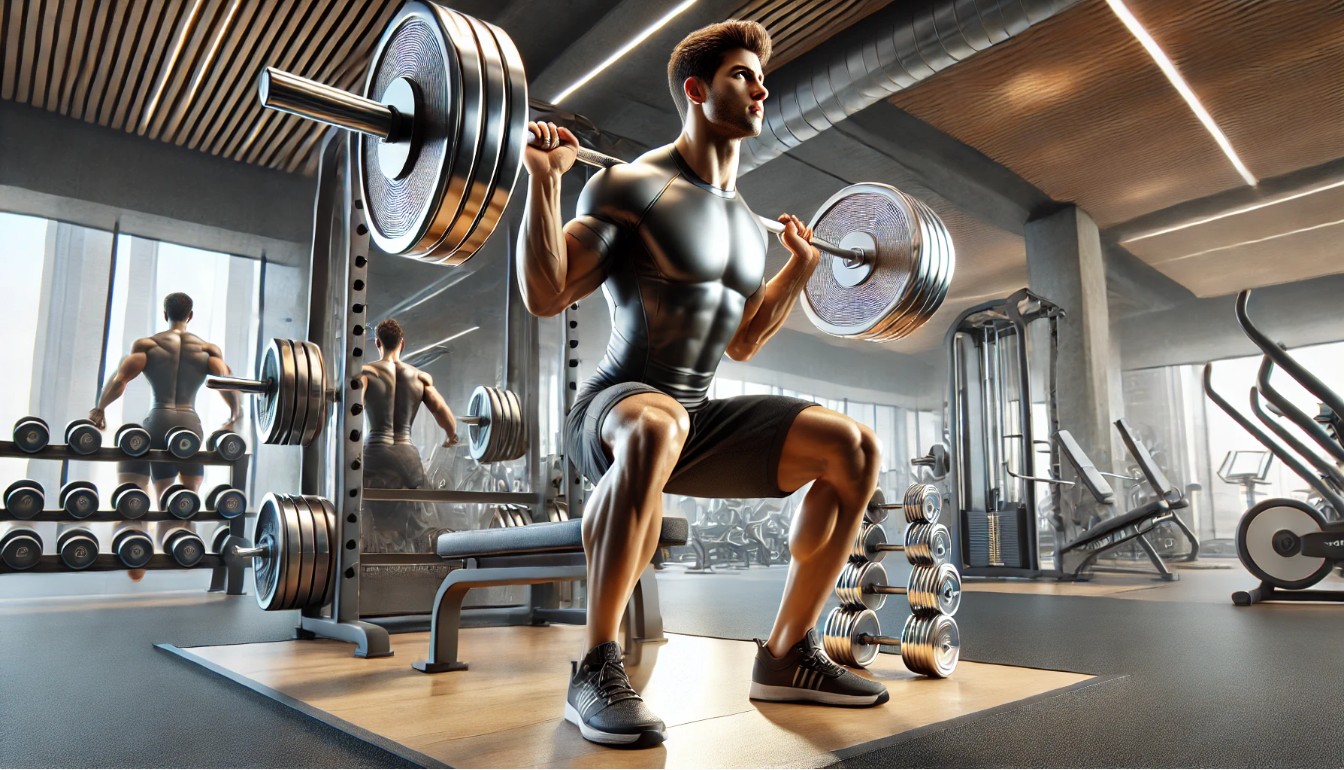
One big mistake in weightlifting is using bad form. Many people rush their reps or lift heavier weights than they should. This can lead to injury and stop you from making real progress.
How to Avoid This Mistake:
- Start with Lighter Weights: If you are new, use a barbell and dumbbell set with lighter weights. This will let you focus on getting the right form before adding more weight.
- Prioritize Form: Always make sure you are lifting with the right form. Don’t focus on how heavy the weight is. Correct form will help you target the muscles correctly and protect your joints.
- Get Help from a Trainer: If you're unsure about your form, ask a personal trainer or watch videos from trusted sources. This will help you avoid mistakes and improve faster.
2. Lifting Too Much Too Soon
Another common mistake is trying to lift too much weight too quickly. This can strain your muscles and joints, leading to injury.
How to Avoid This Mistake:
- Increase Weight Gradually: Start with lighter weights and slowly increase the weight as your strength improves. This is the best way to build muscle without overloading your body.
- Listen to Your Body: If you feel pain or discomfort, the weight may be too heavy. Always choose a weight you can lift safely and without hurting yourself.
3. Skipping Warm-Ups and Cool-Downs
Skipping a warm-up or cool-down is another mistake. These steps help prevent injuries, improve flexibility, and speed up recovery.
How to Avoid This Mistake:
- Warm-Up First: Start with light cardio or easy bodyweight exercises to get your heart rate up and your muscles ready for action.
- Cool-Down After Lifting: After your workout, take time to stretch and relax your muscles. This helps reduce soreness and improves flexibility.
4. Not Resting Enough
Rest is just as important as lifting weights. Many people lift weights every day, thinking it will speed up their progress. But, overworking your muscles can lead to injury and burnout.
How to Avoid This Mistake:
- Take Rest Days: Give yourself at least one or two rest days each week. This allows your muscles to recover and grow.
- Get Enough Sleep: Sleep is key to muscle recovery. Aim for 7-9 hours of sleep each night to support your training.
5. Ignoring Nutrition and Hydration
What you eat and how much you drink can affect your weightlifting performance. Without the right fuel, your workouts may feel harder and less effective.
How to Avoid This Mistake:
- Eat Balanced Meals: Include protein, healthy fats, and carbs in your meals to support muscle growth and keep you energized.
- Drink Water: Stay hydrated before, during, and after your workout. This helps you perform better and recover faster.
6. Neglecting Mobility
Focusing only on strength training can lead to stiffness and muscle imbalances. Mobility exercises help improve flexibility and prevent joint pain.
How to Avoid This Mistake:
- Do Mobility Work: Add exercises like stretching, foam rolling, or yoga to your routine to improve flexibility and range of motion.
- Balance Strength and Mobility: Mix strength exercises with mobility work to keep your body strong and flexible.
7. Overtraining Without a Plan
Training without a clear plan can lead to overtraining, which slows progress. Some people lift the same weights with no rest days, leading to burnout and injury.
How to Avoid This Mistake:
- Create a Training Plan: Follow a well-structured plan with periods of heavy lifting, lighter lifting, and rest days. This helps your muscles recover and grow stronger.
- Switch Up Your Routine: Vary your exercises every few weeks to avoid hitting a plateau and to keep your workouts interesting.
Research & Sources
Experts agree that proper form, gradual progression, and rest are the keys to safe and effective weightlifting. Research shows that gradual weight increase helps muscles grow without injury (National Strength and Conditioning Association, 2021). A study from the American Council on Exercise also highlights the importance of warming up and cooling down to reduce the risk of injury.
Using quality equipment, like a barbell and dumbbell set, ensures you can lift safely and efficiently, targeting your muscles correctly for maximum results.
FAQ (Frequently Asked Questions)
1. How do I pick the right weight for my barbell and dumbbell set?
Start with a weight you can lift for 8-12 reps with good form. If it feels too easy, increase the weight. It’s better to start light and gradually add more weight to avoid injury.
2. How often should I lift weights?
For beginners, aim for 2-3 times a week. More advanced lifters can lift more often, but rest and recovery are just as important as the workouts themselves.
3. Should I focus on building strength or muscle size?
Both are important, but it depends on your goals. Strength training uses heavier weights with fewer reps (1-5), while muscle building focuses on moderate weights with more reps (6-12). A mix of both works best.
4. What if I don’t see results right away?
Don’t worry! Progress takes time. Stay consistent, focus on proper form, and gradually increase your weights. Results will come with patience and hard work.
Conclusion
Avoiding common weightlifting mistakes will help you get stronger, safer, and faster. Remember to focus on your form, start with lighter weights, rest enough, and eat well. Using quality equipment, like a barbell and dumbbell set, will make your workouts more effective.
If you’re ready to take your fitness journey to the next level, visit Hamilton Home Fitness for the best weightlifting gear. With the right equipment and knowledge, you’ll be on your way to achieving your fitness goals in no time.
By following these tips, you’ll lift smarter, not harder, and enjoy a safer, more effective workout.