










Plate Loaded
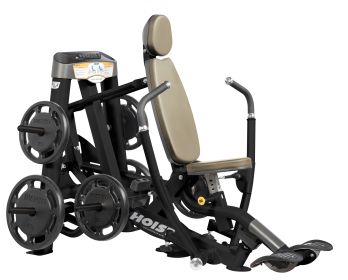

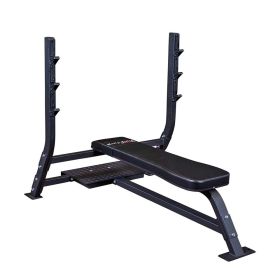
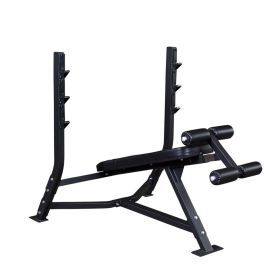


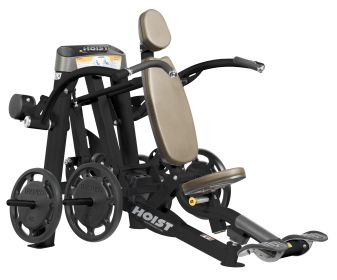
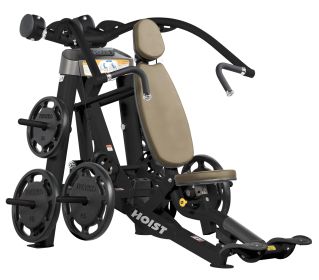
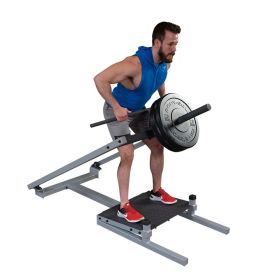

Plate Loaded Chest Press and Shoulder Machines
A plate-loaded chest press machine uses your own 2-inch Olympic plates instead of a weight stack, so you press heavy on a guided path without a spotter. Hamilton Home Fitness stocks flat, incline, decline, and shoulder press stations from Hoist, Body-Solid, BodyKore, and more, shipped across the USA.
What is a plate-loaded chest press machine? It is a pressing station with weight horns instead of a selector pin. You slide plates on, sit down, and drive the handles through a fixed or converging arc. The frame carries the load, not your stabilizers, so you can chase failure alone and still rack safely.
That combination is why serious lifters keep one on the floor. Browse the presses on this page and match a build to your space and your plate collection.
Which Plate-Loaded Chest Press Fits You
Pick the press angle first, then the frame. Angle decides which part of your chest does the work, and it is the one thing you cannot adjust away later on a fixed-angle machine.
A flat press hits the mid-chest and gives the closest feel to a barbell bench. An incline press shifts the load to the upper chest and front delts, which is the area most home lifters under-train. A decline press drops the handles below the sternum and loads the lower pecs hard, with less shoulder involvement. A shoulder press runs the same plate-loaded logic vertically for overhead work.
Olympic bench stations are the fifth option and the cheapest entry point. You supply the bar and the plates, and you keep the free-weight feel with none of the machine's guidance.
Do plate-loaded machines use Olympic plates? Standard-issue, yes. Weight horns on this equipment are sized for 2-inch Olympic sleeves, which is why Body-Solid labels its Pro ClubLine stations as 2" Olympic. Older 1-inch standard plates will not seat correctly, so check your plates before you order.
| Plate-loaded type | Main target | Best for | Space and loading note |
|---|---|---|---|
| Flat chest press | Mid pecs, triceps | Bench-style pressing, solo training | Needs side clearance to load both horns |
| Incline chest press | Upper chest, front deltoids | Filling the weakest chest area | Taller frame: check ceiling height |
| Decline chest press | Lower pecs | Shoulder-friendly heavy pressing | Longest footprint of the press angles |
| Shoulder press | Delts, triceps | Overhead strength without a rack | Compact base, tall loading position |
| 2" Olympic bench | Whole chest, by bar angle | Lowest cost, most flexible | Needs a bar, plates, and a spotter |
Is a plate-loaded chest press better than a selectorized one? Neither wins outright. Plate-loaded gives a heavier ceiling and a rawer feel; a stack gives faster changes. Compare selectorized chest press machines side by side, or step up to the full chest and shoulder press machine range to weigh every format at once.
What It Really Costs to Run One
Budget for the plates, not just the machine. Every competitor page repeats that a plate loaded costs less upfront, and every one of them leaves out the part that bites: the machine is useless until you own enough iron to load it.
Work backwards from your top set. If you want to press 300 lb, you need roughly 150 lb per horn—that is three 45s and a 10 on each side, plus the smaller plates you need to make jumps. Most buyers underestimate this by half and end up capped at a weight they outgrew months ago. Stock your Olympic weight plates at the same time you order the frame.
How much floor space does a plate-loaded chest press need? More than the spec sheet says. The listed footprint covers the frame only, and you also need standing room on both sides to load and strip plates mid-session. Add roughly two feet of clear floor per side, plus somewhere for a plate tree, and measure the whole envelope before you commit.
That is also the honest limit of this equipment. A plate-loaded press is not a space-saver, and anyone telling you otherwise has not loaded one in a tight garage. What it buys instead is a strength ceiling you will not hit, a frame with almost nothing to break, and reps you can take to failure alone.
If the numbers work, load up and order the press that fits your bay.
Key Selection Criteria
✅ 2" Olympic sleeve fit for your plates
✅ Iso-lateral or converging press arms
✅ Heavy-gauge steel frame and clean welds
✅ Press angle: flat, incline, or decline
✅ Adjustable seat and back pad settings
✅ Multiple grip positions for wrist comfort
✅ Built-in plate storage horns
✅ Loading clearance on both sides
✅ Footprint that fits your gym floor
✅ Stable base that stays put under load
✅ Durable, replaceable seat padding
✅ Warranty terms and parts support
✅ Freight access and setup at delivery
Why Buy From Hamilton Home Fitness
You get commercial-grade pressing equipment, straight answers, and a dealer who tells you what the box actually needs. Hamilton Home Fitness carries 40+ authorized brands from our Tennessee base and ships across all 50 states.
Two brand notes worth knowing before you check out. Body-Solid strength equipment is one of the lines covered by free shipping, which meaningfully changes the landed cost on a heavy steel frame. Hoist Fitness machines, including the RPL plate-loaded presses, are private-invoice only — call or message us and we will quote you directly rather than running you through standard checkout.
Outfitting a full floor rather than a corner? Book a gym design consultation and we will plan the press, the plate storage, and the traffic lanes around it.
Plate Loaded Chest Press FAQs
How many plates do I need to start?
Enough to reach your working sets with room to progress. A practical floor is four 45 lb plates, two 25s, two 10s, and two 5s, which gets you to a 300 lb load with usable jumps. Buy the small plates — they are what let you add weight without stalling.
Can beginners use a plate-loaded chest press safely?
Yes, with a light start. The guided path removes the balance demand that makes free-weight benching risky when you train alone. Set the seat so the handles sit near mid-chest; load light for the first few sessions and add weight once the movement feels smooth.
Do plate-loaded chest press machines need much maintenance?
Very little. There are no cables to fray and no pulleys to replace, so upkeep is mostly wiping the frame, checking bolt torque a few times a year, and keeping the pivot points clean. That simplicity is a real ownership advantage over stack machines.
Which plate-loaded press should I buy first for a home gym?
A flat or incline press, in most cases. Flat gives you the broadest chest coverage and the most familiar movement; incline is the better pick if you already bench flat with a barbell and want to fill the upper-chest gap. Decline and shoulder press stations make more sense as a second or third piece.
Can I buy the hoist plate-loaded presses online?
Not through standard checkout. Hoist is a private-invoice brand for us, so reach out and we will send a direct quote covering the machine, freight, and lead time. Body-Solid and BodyKore stations can be ordered on-site as usual.
Does Hamilton Home Fitness ship nationwide, and is shipping free?
We ship from Tennessee to all 50 states, and free shipping applies to select brands—Body-Solid among them on this page. Heavy strength equipment moves by freight, so confirm your delivery access before you order.
Is a plate-loaded chest press suitable for shoulder rehab?
It may allow controlled pressing for some people, since the fixed path limits awkward angles. Rehab needs vary a great deal, so talk to a physical therapist or doctor before using one for recovery. Keep the load light and stop immediately if you feel joint pain.
Load Your Plates and Start Pressing
Choose your angle, check your plate count, and order the press that fits your floor. Every order ships from Tennessee with fast dispatch and easy returns; free shipping applies to select brands, and our team is a call away if you would rather have us spec the whole room.
Secure Payments