- HUDSON STEEL (PRIVATE INVOICE ONLY)
Authorized:












Weight Benches
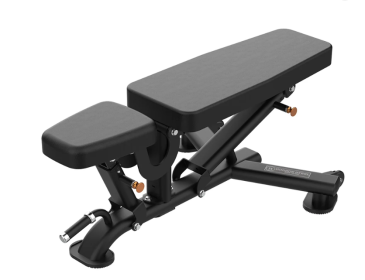


Commercial Weight Benches Built to Last
A commercial weight bench is the workhorse your strength program rises or falls on. Built to absorb years of heavy presses, dumbbell sets, and constant member traffic, the right bench gives you a stable, quiet platform that holds its line under load — no flex, no wobble, no compromise. At Hamilton Home Fitness, every commercial weight bench in this collection is chosen for one reason: it earns its place under real lifters, real loads, and real-world hours of use.
Whether you're outfitting a fitness facility in Tennessee, a CrossFit affiliate in Texas, a corporate wellness room in California, or a serious home gym anywhere in the USA, the benches below are engineered for the long haul.
Why Commercial-Grade Matters
A commercial weight bench is built to a higher engineering standard than a typical home bench — heavier steel, higher capacity, denser pads, and tighter tolerances. That difference is what keeps a bench safe and stable through years of daily use instead of months of casual lifting.
What makes a commercial weight bench different from a home model? Three things: frame gauge, weight capacity, and pad construction. Most commercial benches use 11-gauge steel tubing about three millimeters thick, support 1,000 pounds or more of combined user and load, and feature high-density commercial-grade upholstery that resists tearing under repeated use. Lighter home benches often cut corners on all three.
You feel the difference the moment you sit on one. The base stays planted, the pad doesn't sink, and the adjustment mechanism locks in cleanly every rep. That's what commercial-grade buys you.
Types of Commercial Weight Benches
The right bench depends on what you press, who's pressing it, and how much floor space you have. Our lineup breaks into four core categories so you can match the right tool to the job.
- Adjustable benches — The most versatile option. Switch between flat, multiple incline angles, and (on FID models) decline positions for one bench that handles bench press, shoulder press, rows, and dumbbell work.
- Flat benches — Purpose-built for heavy pressing and powerlifting. Low profile, rock-solid, often built to IPF height standards. A staple of any free-weight zone.
- Incline-decline benches—Fixed or dual-angle benches that target upper chest, decline pressing, and accessory work without the moving parts of a full FID.
- Preacher curl benches — Isolation stations for biceps work, often paired with attachment compatibility for full arm training.
What's the difference between a flat, incline-decline, and FID bench? A flat bench is fixed at one angle, ideal for bench presses and dumbbell rows. An incline-decline bench tilts up or down to target upper or lower pec fibers. An FID (flat / incline / decline) bench combines all three in one frame, usually with seven or more back-pad positions—making it the most space-efficient choice for facilities that need versatility without buying three separate benches.
How to Choose the Right Bench
The right commercial weight bench balances five things: capacity, frame strength, adjustability, footprint, and pad quality. Get those right, and the rest is preference.
How much weight should a commercial weight bench hold? Look for a tested capacity of at least 1,000 pounds for serious commercial use—many top-tier benches rate 1,500 to 2,000 pounds. That number represents combined user weight plus a loaded barbell with a built-in safety margin, so a 1,000-pound capacity bench is more than adequate for a 250-pound lifter pressing 400 pounds. Higher capacities also signal heavier-gauge steel underneath.
Pad gap matters too. Adjustable benches with a gap of two inches or less between the seat and back pad give better thoracic support during heavy pressing. A bench height around 17.5 inches matches IPF competition standards and gives most lifters proper leg drive.
Key Selection Criteria
✅ 11-gauge steel frame or heavier
✅ Tested capacity of 1,000+ pounds
✅ Pad gap of two inches or less
✅ Multiple back and seat angle positions
✅ Anti-slip commercial vinyl upholstery
✅ Bench height near 17.5" for IPF spec
✅ Transport wheels for easy repositioning
✅ Pre-assembled or fast-assembly frame
✅ Bolt-down holes for floor anchoring
✅ Powder-coated, scratch-resistant finish
✅ Manufacturer warranty on frame
✅ Compatible with your rack and free-weight setup
Built for Every Training Space
A great commercial weight bench earns its keep across very different environments. The benches in this collection are at home in any of them.
- Commercial gyms and fitness clubs—High-traffic floors that need benches built for back-to-back members and zero downtime.
- Personal training studios and small-group facilities—Versatile FID benches that let one piece of equipment cover dozens of exercises.
- CrossFit affiliates and athletic training rooms — Heavy-capacity flat benches built to take a beating from competitive lifters.
- Corporate wellness centers and hotel gyms — Stable, low-maintenance benches with clean aesthetics that fit any space.
- Rehab clinics and physical therapy spaces — Adjustable benches that support a wide range of supervised strength and mobility work.
- Serious home and garage gyms — Commercial construction in a footprint that fits residential spaces, with transport wheels for easy storage.
Should I bolt my commercial weight bench to the floor? For most flat and adjustable benches with a wide, stable base, bolting it down isn't required—the bench stays planted under normal use. For Olympic benches with integrated barbell uprights or in high-traffic commercial settings where benches see heavy explosive lifts, bolting down or pairing with rubber matting is recommended for maximum stability. Most commercial benches include base holes for this exact purpose.
Trusted Brands We Carry
Every brand on this page has earned its spot through real-world durability and a track record in commercial facilities. We're authorized dealers for each, which means full warranty support and direct factory access on parts.
- Body-Solid Pro ClubLine — Heavy-gauge construction, commercial warranties, and a deep lineup from FID benches to Olympic flat benches.
- Tag Fitness—Premium adjustable benches built for serious lifters and commercial environments.
- York Barbell — A heritage strength brand with a full range of preacher curl, flat, and adjustable benches.
- HHF Commercial Fitness—Our in-house commercial line, engineered for the specs facility owners ask for most.
- BodyKore Elite Series — Modern design language paired with commercial-grade construction.
How long does a commercial weight bench last? A properly built 11-gauge commercial weight bench from a reputable brand typically lasts ten to twenty years of daily use, often longer. The frame outlives everything else; pads and adjustment hardware are the wear items, and most are user-replaceable. That's why investing in commercial construction up front usually costs less per year than replacing cheaper benches every few years.
Pair Your Bench With the Right Gear
A commercial weight bench performs best when it's part of a complete training setup. Match yours with supporting equipment built to the same standard.
- Slide it into one of our power racks and cages for safer bench pressing with proper spotter arms.
- Stock the surrounding floor with free weights—dumbbells, kettlebells, and bumper plates from the same trusted brands.
- Building a full facility? Browse the broader commercial fitness lineup or book a gym design consultation and let our Tennessee-based team plan the layout with you.
Ready to Train? Start Here
The right commercial weight bench is the difference between a setup that survives and one that thrives. Every model on this page is built to commercial standards, backed by authorized warranty support, and ships from a team that has spent years putting these benches into real gyms across the country.
Browse the lineup above, filter by subcategory or brand, and add the bench that fits your space and your lifters. Free shipping is available on qualifying orders, and our team is one call away if you'd like a recommendation before you buy. Build the foundation your strength program deserves — order your commercial weight bench from Hamilton Home Fitness today.
Secure Payments