Authorized:











Dynamic Cold Therapy


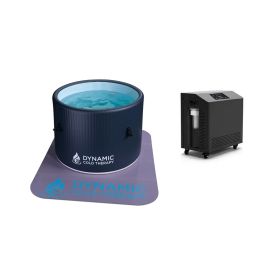
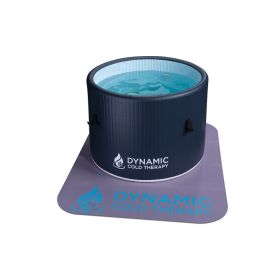

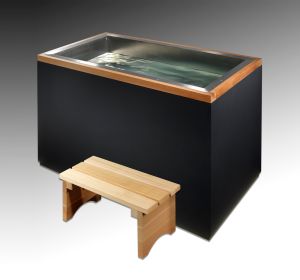
Best Cold Therapy Machines for Recovery
A cold therapy machine uses a chiller to hold water at a set cold temperature, so you recover on a schedule instead of hauling ice. The best cold therapy machine fits your space, your temperature goals, and how often you plunge—from portable inflatable tubs to insulated cedar barrels and full-extension stainless steel systems.
What a cold therapy machine does
A cold therapy machine cools and circulates water so your body gets steady, controlled cold instead of the uneven chill of melting ice. At its core sits a chiller—the actual machine—paired with a tub, filtration, and sanitation. You set a temperature, and the system holds it.
Athletes use cold water immersion to ease sore muscles after hard training, and many people add it to a daily routine for recovery and a sharper, more awake feeling. Do cold plunges actually work? Decades of use in pro locker rooms and a growing body of research link short cold-water sessions to less muscle soreness and lower perceived fatigue, though results vary by person and protocol. This category suits home athletes, busy professionals, seniors easing stiff joints, and gyms, studios, and clinics building out recovery and rehab equipment for clients.
How to choose a cold therapy machine
Start with one question: how will you keep the water cold? That single choice drives cost, convenience, and how often you'll actually use it. Ice is cheap to start but means buying and lugging bags for every session, with no precise control. A chiller-powered cold therapy machine holds your target temperature automatically, filters the water, and removes the daily ice run. Do you really need a chiller? No, but most people who plunge regularly find one pays for itself in saved ice, time, and effort within a season.
From there, weigh the specs that change your daily experience:
- Temperature: Many add-on chillers reach the upper 30s°F; serious users want a system that stays cold as their tolerance grows.
- Shape and size: round barrels suit a seated crouch, oval barrels add legroom, and cuboid tubs let you fully recline.
- Material: insulated PVC for portability, cedar for natural insulation and outdoor looks, or stainless steel and acrylic for a premium, long-lasting build.
- Placement: confirm a flat surface, a power outlet, and hose access, plus moisture control indoors or weather planning outdoors.
- Upkeep and warranty: look for micron filtration, ozone sanitation, and clear terms on the shell, chiller, and parts.
A portable inflatable cold plunge is the easiest entry point, while a stainless cuboid is built for daily, full-body sessions.
Key selection criteria
✅ Cooling method: chiller vs. ice
✅ Coldest temperature the chiller holds
✅ Tub shape for sitting, crouching, or reclining
✅ Interior size for your height and build
✅ Solo use or shared recovery sessions
✅ Indoor moisture or outdoor weather plan
✅ Flat surface, power outlet, and hose access
✅ Micron filtration and ozone sanitation
✅ Realistic time for water upkeep
✅ Warranty on shell, chiller, and parts
✅ Portability for travel or moving
✅ Total budget, plus ice or power costs
Ready to compare models side by side? Shop the full cold therapy machine and cold plunge lineup and match one to your routine.
Cold plunge types compared
The right type depends on how you plunge, where it lives, and your budget—not on price alone. Here's how the main options stack up.
| Type | How it cools | Best for | Build |
|---|---|---|---|
| Inflatable tub | Add-on WiFi chiller or ice | Beginners, small spaces, travel | Insulated, puncture-resistant PVC |
| Cedar barrel | Pairs with a chiller; cedar insulates | Outdoor setups and contrast therapy | Antimicrobial, weather-ready wood |
| Stainless / acrylic cuboid | Built-in chiller and filtration | Daily users who want to recline | Premium steel and acrylic, full extension |
| Chiller / heater unit | Sets and holds temp, no ice | Hands-off, consistent cold (and heat) | Connects to most tubs, app control |
A chiller is what turns any of these tubs into a true cold therapy machine, since it sets and holds temperature without ice. Is a cold plunge better than an ice bath? A chiller-fed plunge gives consistent cold and cleaner water, while a DIY ice bath costs less upfront but takes more effort and offers no temperature control.
Cold therapy benefits & safety
Cold water immersion is best known for easing muscle soreness, calming inflammation, and leaving you feeling refreshed and alert. Many users also report better sleep and steadier focus when they plunge consistently. Pairing cold with heat—a sauna session followed by a plunge—is a popular contrast-therapy routine. Infrared saunas complement a cold plunge for exactly this hot-and-cold rhythm, and tools like vibration therapy round out a complete recovery setup.
What temperature should a cold plunge be? Water below about 58°F counts as cold plunging; many begin near 50–59°F and work toward colder over time. How long should you stay in a cold plunge? Two to three minutes is common, and even around 90 seconds can be enough—build up gradually rather than pushing too hard too soon.
Cold therapy is generally well tolerated by healthy adults, but it isn't right for everyone. If you have a heart condition, high or low blood pressure, circulation concerns, or are pregnant, talk with your doctor before starting, and don't plunge alone until you know how your body responds.
Why buy from Hamilton Home Fitness
Hamilton Home Fitness brings commercial-grade recovery equipment to homes, gyms, and clinics across the U.S., backed by real specs and straight answers instead of hype. The cold therapy machines here come from Dynamic Cold Therapy, built by the same Tennessee maker behind a respected line of infrared saunas—so you can build a full hot-and-cold recovery space from one trusted source. Models range from a portable tub at $799 to premium stainless systems with WiFi-controlled cold-and-heat chillers, ozone sanitation, and micron filtration.
You also get fast nationwide shipping, clear warranty terms on select models, and a team that helps you size the right system. Outfitting a studio or recovery room? Book a gym design consultation and plan the layout, power, and drainage before you buy. Browse the collection and order your cold plunge with confidence today.
Cold therapy machine FAQs
Are cold therapy machines safe?
Used as directed, cold therapy machines are generally safe for healthy adults. Start with warmer water and shorter sessions, then progress slowly. If you have a heart condition, blood pressure concerns, or are pregnant, check with your doctor before starting.
How much does a cold plunge cost?
Prices range from around $799 for a portable inflatable tub to several thousand dollars for stainless steel or cuboid systems with built-in chillers. Adding a chiller raises the price but removes ongoing ice costs. Financing is often available for larger systems.
How do you keep the water clean?
Most cold therapy machines use micron filtration and ozone or similar sanitation to keep water fresh, plus a cover between sessions. Upkeep takes only a few minutes and is far less work than refilling a DIY ice bath. Always follow the model's care guide.
Do cold plunge chillers also heat?
Many dynamic cold and heat chillers both cool and warm the water, which lets you run contrast therapy from one unit. Several models add WiFi app control, so you can set the temperature in advance. Check each product's specs to confirm the cold-and-heat function.
How is a cold plunge different from a sauna?
A sauna uses heat to relax muscles and promote sweating, while a cold plunge uses cold water to ease soreness and sharpen alertness. Many people pair the two for contrast therapy. You can shop both cold plunges and infrared saunas here to build the full routine.
Can I get a cold plunge shipped nationwide?
Yes. These cold therapy machines ship across the United States, with larger tubs and chillers typically moving by freight. Review the shipping and returns details or contact the team for a delivery timeline to your state.
Order your cold therapy machine
The best cold therapy machine is the one you'll use every day—sized for your space, cold enough for your goals, and simple to maintain. Choose your tub and chiller, and start recovering faster. Order today with fast U.S. shipping and expert help whenever you need it.
Secure Payments