Authorized:











Rehab Equipment
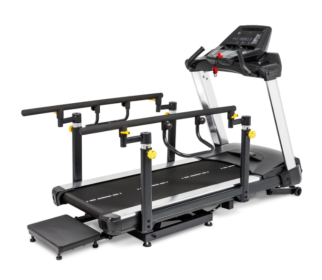
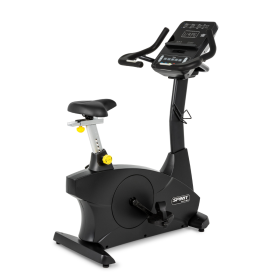
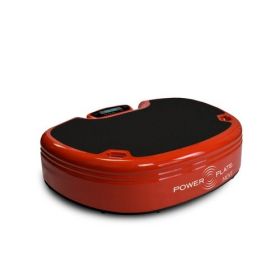
Rehabilitation Exercise Equipment for Clinics, Facilities, and Home Recovery
Rehabilitation exercise equipment is low-impact cardio and conditioning machinery—recumbent bikes, ellipticals, supported treadmills, rowers, and vibration platforms—selected so that deconditioned or recovering users can begin at very low effort and build up gradually. Rehab clinics, senior living facilities, and home users choose it for controlled resistance, easy entry, and repeatable settings.
That last word matters more than most buyers expect. A machine that cannot be repeated session to session cannot show progress, and progress is the entire point. Below is the selection logic most product listings skip.
What Makes Equipment Rehab-Ready
A machine earns the "rehab" label through four specs, not through marketing. Miss any one of them and you have bought a standard gym machine that a recovering user physically cannot use.
What is the difference between rehab equipment and regular gym equipment? Regular gym equipment is designed for people who are already able. Rehabilitation equipment is designed for people who are not there yet. The gap shows up in four places:
- Starting resistance. On many commercial bikes, level 1 is already too hard for a deconditioned user. Rehab-appropriate machines start effectively at zero and climb in fine increments.
- Entry and exit. Step-through frames, low step-up heights, and swivel seats decide whether someone can get on the machine unassisted.
- Supported posture. Backrests, extended handrails, and stable grips let a user work without fighting for balance.
- Readable, repeatable settings. Large high-contrast displays and settings that can be dialed back exactly so a therapist's prescription survives to the next session.
Everything else — frame finish, app connectivity, console styling — is secondary. Buy the entry and the starting resistance first.
Browse the commercial cardio equipment range to compare machines side by side, or keep reading for the type-by-type breakdown.
The Main Machine Types, Compared
Each machine type solves a different problem, and the right one depends on what the user can currently tolerate. This table is a selection framework—availability varies by brand, so confirm specs on the individual product page before you order.
| Machine Type | Best Fit | Check First |
|---|---|---|
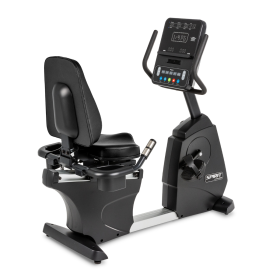
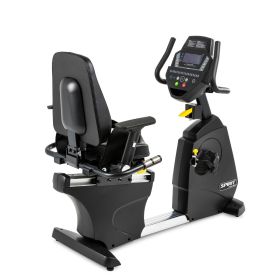
| Recumbent bike | Knee, hip, and lower-back users; seniors; the lowest entry barrier of any machine | Step-through width, seat slide range, lumbar support |
| Upright bike | Users with solid balance rebuilding leg endurance | Lowest resistance level, seat comfort |
| Elliptical/cross trainer | Weight-bearing movement without joint impact | Step-up height, stride length, handrail grip |
| Treadmill | Walking tolerance and gait work under supervision | Minimum speed, handrail length, deck cushioning |
| Rower | Full-body conditioning once trunk control returns | Seat height, catch position, storage footprint |
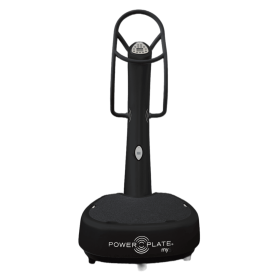
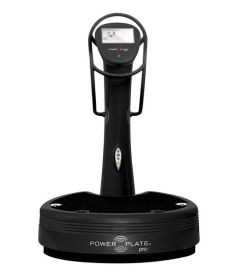
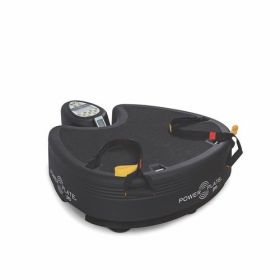
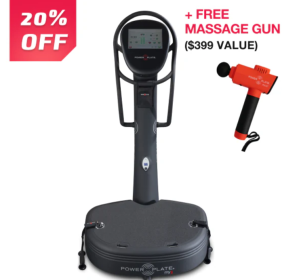
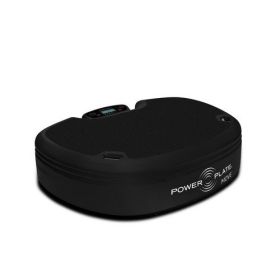
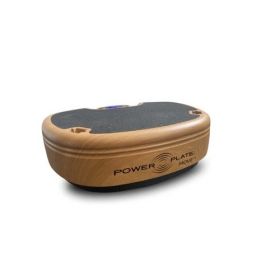
| Vibration platform | Standing balance and circulation work in short sessions | Handle support, frequency range, weight limit |
Is a recumbent bike better than an upright bike for rehab? For most early-stage users, yes. The recumbent seat supports the spine, the forward pedal position reduces knee and hip load, and mounting it does not require balancing on one leg. Our recumbent exercise bikes are the single most requested piece in this category, and for good reason. Upright bikes make sense later, once balance and confidence return.
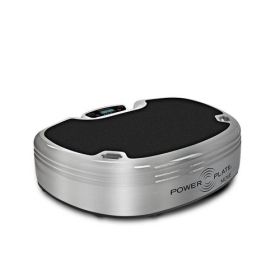
For standing balance work, Power Plate vibration platforms cover a different job entirely — short, supported sessions rather than sustained cardio.
How to Choose Rehab Exercise Equipment
Work through the criteria in order of what disqualifies a machine fastest. Capacity and console are easy to fix by choosing a different model; an entry height the user cannot clear is not.
✅ Starting resistance near zero, not level 1
✅ Step-through frame for easy entry and exit
✅ Swivel seat where transfers are needed
✅ Backrest with real lumbar support
✅ Long handrails on any walking machine
✅ Large, high-contrast console display
✅ Repeatable settings for tracking progress
✅ Weight capacity above your heaviest user
✅ Footprint with clearance for a helper
✅ Wipe-clean surfaces for shared use
✅ Quiet drive for home and clinic rooms
✅ Parts and service support after the sale
One planning note buyers routinely miss: measure clearance, not footprint. A machine that fits the floor plan on paper can still be unusable if there is no room for a helper to stand beside it or for a wheelchair to approach.
Clinic Floors vs. Home Recovery
Clinics buy for throughput and durability. Home users buy for one person and one goal. The specs diverge accordingly.
A physical therapy clinic or senior living facility needs machines that survive continuous daily use, wipe down between users, and hold settings across a dozen different people. Weight capacity has to cover the heaviest patient on the schedule, not the average one. Freight, installation path, and doorway clearance become real constraints once the pallet arrives.
Home buyers have the opposite problem. The machine is used once or twice a day by one person, so commercial-duty framing is often more than they need—but console readability and entry height matter more, because nobody is standing there to help.
Can rehabilitation exercise equipment be used at home? Yes. Most low-impact cardio machines sold to clinics work equally well in a home setting, and many home users buy commercial-grade specifically for the lower starting resistance and better support. The practical limits are floor space, power access, and whether the machine can be moved through your doorways.
Do you need a prescription to buy rehabilitation exercise equipment? No. These are fitness machines, not medical devices, and anyone can purchase them. That said, if you are recovering from surgery or injury, ask your physical therapist which machine type and which settings they want you working with before you buy. Bring their spec list to us, and we will match it.
For the smaller recovery tools—foam rollers, mobility aids, and similar—see our rehab and recovery accessories range.
Why Buy From Hamilton Home Fitness
We are an authorized dealer carrying over 40 brands, which means we can compare across manufacturers instead of steering you toward a single line. That is the whole advantage of buying from a multi-brand dealer rather than a manufacturer's own store.
What that gets you in practice:
- Cross-brand comparison. Spirit Fitness, Body-Solid, Matrix, Horizon, Concept2, Power Plate, and more were assessed against your requirements, not our inventory pressure.
- One point of contact for freight. Rehab machines ship heavily. We coordinate delivery so you are not chasing three carriers.
- Free shipping on select brands. STEPR, Spirit Fitness, TAG Fitness, Body-Solid, and Vortex ship free. Other brands quote at standard freight rates.
- Floor planning for facilities. Book a gym design consultation and we will lay out the room before you commit to a purchase order.
Based in Tennessee, Hamilton Home Fitness ships nationwide to all 50 states.
Tell us the user, the constraint, and the budget, and we will shortlist three machines instead of forty. Request a quote today.
Rehabilitation Equipment FAQs
What is the best rehabilitation exercise equipment for a beginner?
A recumbent bike, in most cases. It has the lowest entry barrier, supports the spine, and lets a user start at near-zero resistance. If the user cannot load their legs at all, an arm ergometer is the alternative—contact us and we will source one.
How much floor space does a rehab machine need?
Footprints vary widely by machine and brand, so check the listed dimensions on each product page. Then add clearance beyond the footprint — enough for a helper to stand alongside, or for a wheelchair to approach if transfers are part of the routine.
What weight capacity should I look for?
Match the capacity to your heaviest likely user and leave headroom above that number. Capacity is listed on every product page. For clinics and senior living, size up to the heaviest person on your schedule, not the average.
Does Hamilton Home Fitness ship rehabilitation exercise equipment nationwide?
Yes. We ship to all 50 states from Tennessee. Freight cost depends on machine weight and delivery address, and our shipping and returns page covers the details.
Is free shipping available on rehabilitation exercise equipment?
Free shipping applies to STEPR, Spirit Fitness, TAG Fitness, Body-Solid, and Vortex equipment. Other brands ship at standard freight rates that vary by weight and destination. Ask us for a freight quote before you order.
Why do some brands require a private invoice instead of online checkout?
Several lines we carry—including Matrix Fitness, Hoist, Horizon Fitness, Vision Fitness, Schwinn, and Bowflex—are listed as private invoice, with no online checkout. Contact the team for pricing and availability on those brands. Everything else can be ordered directly.
Can Hamilton Home Fitness help plan a full rehab clinic floor?
Yes. We handle design consultations for rehab clinics, physical therapy practices, senior living facilities, and corporate wellness rooms. Send us the room dimensions and your patient profile, and we will build the equipment plan around them.
Start Building Your Rehab Space
Pick the machine your user can actually get onto at a resistance they can actually start at—everything else follows from there.
Browse the range above, or call us and describe the situation. We will narrow forty brands down to a short list the same day. Free shipping on STEPR, Spirit Fitness, TAG Fitness, Body-Solid, and Vortex, nationwide delivery from Tennessee, and a team that will tell you when a cheaper machine is the right one.
Shop the rehabilitation exercise equipment range now, or request your quote today.
Secure Payments