Authorized:











Commercial Stair Master AS900
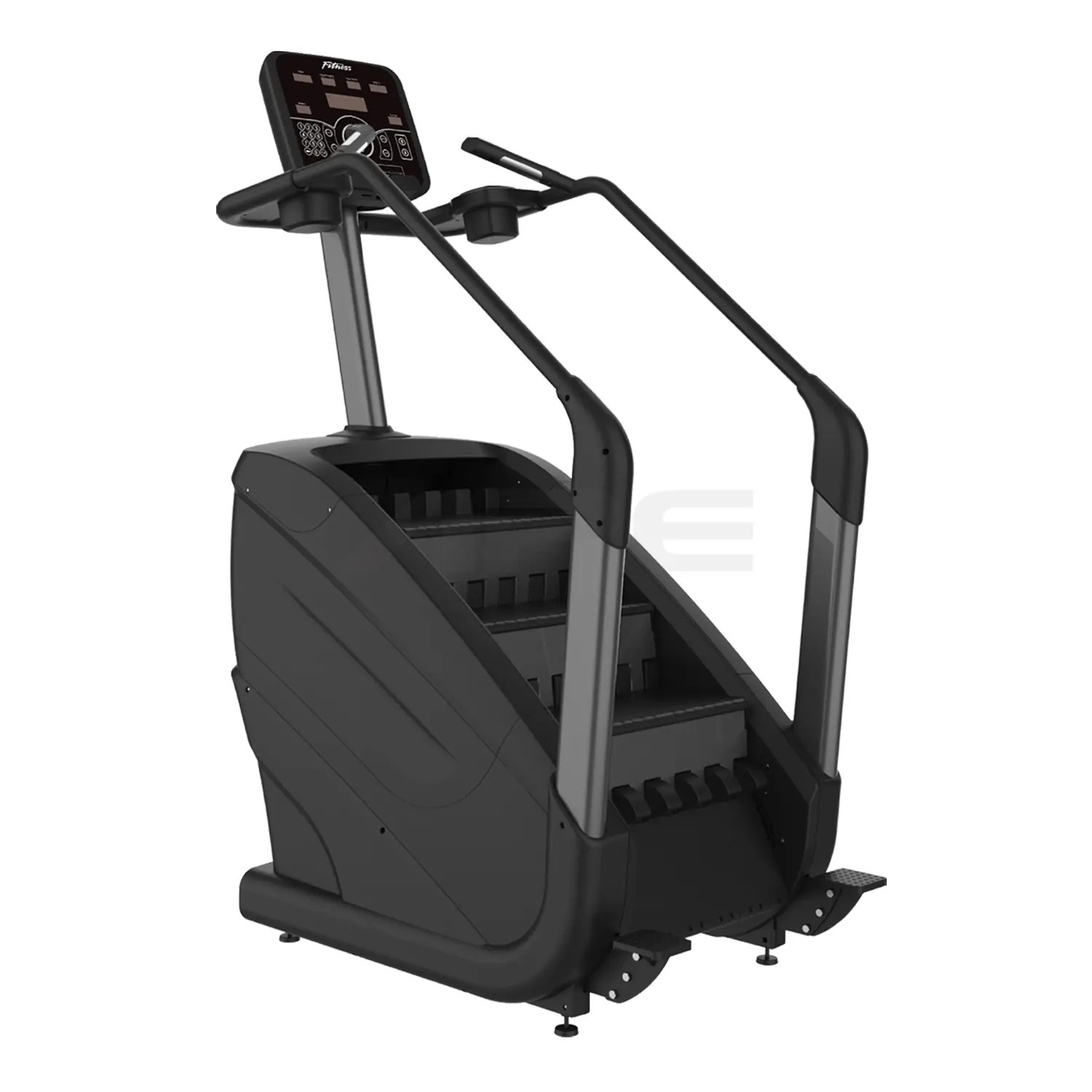
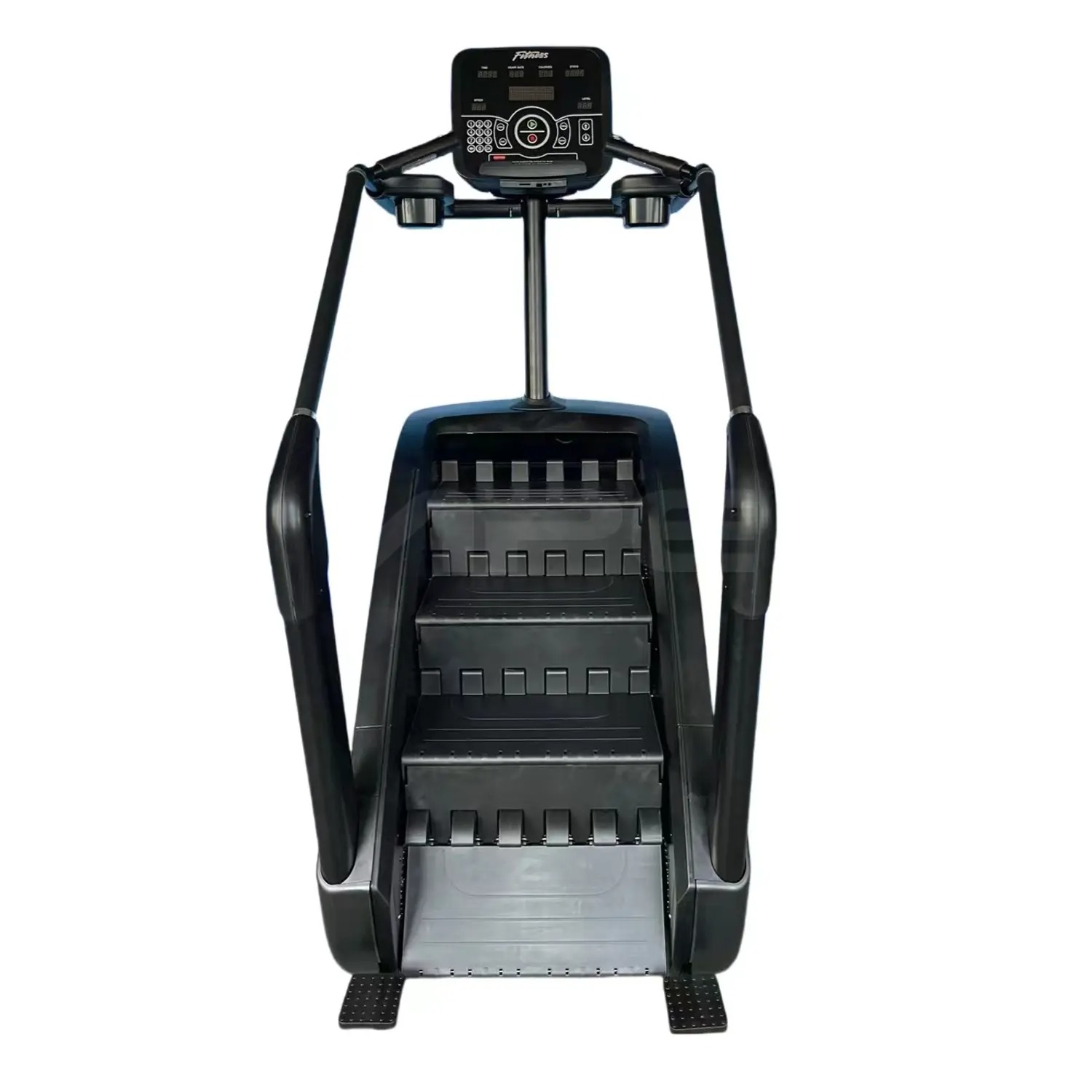
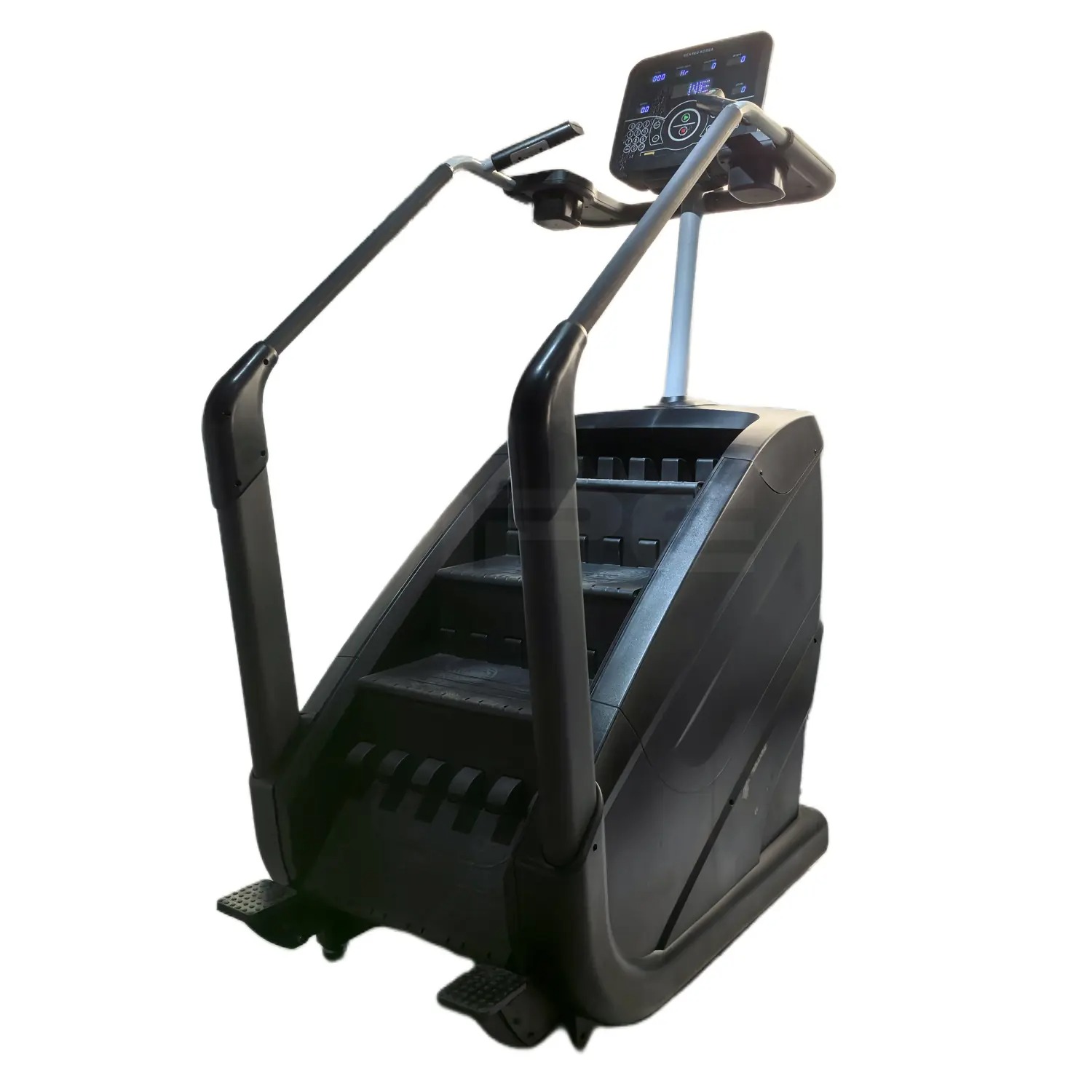
The APE AS900 is a commercial stair master for gyms, studios, and dedicated home training rooms that want sustained stair-climbing cardio from one machine. It suits owners who run daily multi-user sessions and can plan a room around a full-size climber rather than squeezing one into leftover space.
Five details settle most APE AS900 orders:
| Detail | APE AS900 |
|---|---|
| Price | $3,175.00 |
| Model | APE AS900 |
| User weight rating | Up to 160 kg |
| Speed range | 15–164 steps/min |
| Best fit | Gyms, studios, dedicated home rooms |
How Does the AS900 Handle Mixed Users?
Through range, not complexity. One machine can take a member from a slow warm-up climb to sprint intervals without a swap, which is why it works as a commercial stairmaster for gyms with mixed membership. The published user weight rating also gives staff a clear limit to post beside the machine.
What are stairmaster levels? On the AS900, intensity is set by stepping speed, counted in steps per minute. Small rate changes feel large, so raise it a little at a time.
What Do You Get With the AS900?
Here is what the AS900 adds to a training floor once it is installed:
✅ Console readable at a glance mid-interval
✅ Heart-rate readout to pace every session
✅ Mileage and time display for workout logs
✅ Smooth cadence suited to interval blocks
✅ Heavy frame stays planted under load.
✅ Broad step platform for secure footing
Ready to put one on your floor? Add the AS900 to your cart now. It belongs to the wider APE equipment range, which also covers power racks, air bikes, and motorless treadmills.
What Are the AS900’s Full Specs?
The power row is the one to hand your electrician before delivery day. All figures appear in metric units, exactly as published for this model.
| Specification | APE AS900 |
|---|---|
| Step platform | 560 × 235 × 220 mm |
| Power | AC 220V (8.6A) with AC 110/220V ±10% support |
| Application | Commercial cardio |
Will the AS900 Fit Your Space?
Yes, if you plan three things first. Whether it lands on a commercial floor or serves as a stair master for home use, it moves by freight in a plywood box:
- Walk the route from the curb to the training room
- Measure ceiling height in the exact spot
- Confirm the circuit with a licensed electrician
Ceiling height is the check most owners skip. Add your tallest user’s standing height to the height of the upper step, then leave headroom above that. No minimum ceiling figure is published for this model, so measure rather than assume. The power listing covers both common supply voltages, so your electrician only confirms which one the room has and that the circuit can carry the load.
Request the AS900’s crate dimensions from our team before checkout, then measure them against every door, turn, and stair landing on the route. For a full layout, a gym design consultation maps the room with you.
AS900 or AS600: Which Should You Buy?
Choose by room size and frame mass, because that is where the two APE climbers differ most:
| Attribute | APE AS900 | APE AS600 |
|---|---|---|
| Dimensions | 1420 × 830 × 2090 mm | 1350 × 720 × 1900 mm |
| Net weight | 214.5 kg | 128.5 kg |
| Console | LED | LCD or LED option |
| Best for | Full-size rooms, busy shared floors | Tighter rooms, lighter delivery |
Pick the AS900 when your room can take the bigger frame and you want its larger step platform. The APE AS600 is the better call when floor area, overall height, or a lighter delivery matters more.
If neither suits the room, our full stair climber lineup runs from compact climbers to connected step mills.
Who Should Buy This Commercial Stair Master?
Buyers who plan the room first get the most from it.
A Strong Fit For
- Gyms and studios with daily member traffic
- Senior living rooms with staff-led sessions
- Wellness centers running supervised programs
- Ground-floor home gyms built around one machine
Skip It If
- You need a fold-away or movable unit
- One person climbs a few times a week
- Your only room is upstairs on an unchecked floor
Assembled, every dimension of the AS900 exceeds the width of a standard 32-inch interior door, so it cannot pass through one fully built.
In retirement communities and medical centers, treat the AS900 as a fitness machine, not a medical device: have each user cleared by a physician, and keep rehab work under a licensed professional’s direction.
What Do Buyers Ask About Stair Masters?
Who owns StairMaster? Core Health & Fitness owns the StairMaster brand. The AS900 is a different machine, built by Rizhao Ape Fitness Co., Ltd. under the APE name, so “stair master” here describes the machine type, not that brand.
Are stair masters good for cardio? Yes. Continuous climbing keeps the biggest leg muscles working against gravity, so your heart rate stays up for the whole session instead of rising and falling.
Do stair masters help with glutes? Yes, they train the glutes with the quads, hamstrings, and calves on every step. Visible growth depends on progressive overload, meaning a challenge that rises over time, plus overall nutrition.
Is the stairmaster bad for your back? Not for most people who stand upright and hold the handrails lightly. Hunching forward or hanging on the rails shifts strain to the lower back, so slow down until your posture holds. With back pain or a past injury, check with a physician or physical therapist first.
Is a stairmaster better than a treadmill? Neither wins for everyone. A stairmaster adds a climb against gravity with no foot strike, while a treadmill suits walking, running, and race prep. Pick the machine your users will repeat most.
Ready to Order Your APE AS900?
Order once the room is measured, and read the return terms first. Returns run 30 days from purchase on undamaged equipment in its original packaging, with a receipt or proof of purchase. A 25% restocking fee applies; return shipping is yours to pay and non-refundable; a unit used beyond testing cannot be returned; custom imported items are a final sale; and cancelling before shipment carries a 2.5% payment processing fee. The shipping and returns policy has the full terms.
Call 423.458.2453 to confirm whether your AS900 ships as a custom import before you pay, since that decides whether it can come back. Any fault after installation runs through the manufacturer’s product warranty, which the team processes with you. Hamilton Home Fitness ships from Tennessee to all 50 states, so place your order today and start planning the room around it.
Secure Payments