Introduction
Do you want stronger legs without straining your back? Belt squats are a great way to do this. Unlike regular squats, belt squats take the pressure off your spine, making them safer, especially for those with back pain or injury.
In this guide, we’ll explain how to choose the best belt squat belt. We’ll cover the benefits of belt squats and why they’re an excellent option for leg day. Whether you work out at the gym or home, we’ll help you find the right gear and show you how to use it.
Belt squats are an excellent way to build leg strength without hurting your back. Keep reading to learn how this exercise can help you and how to get started.
What is a Belt Squat?
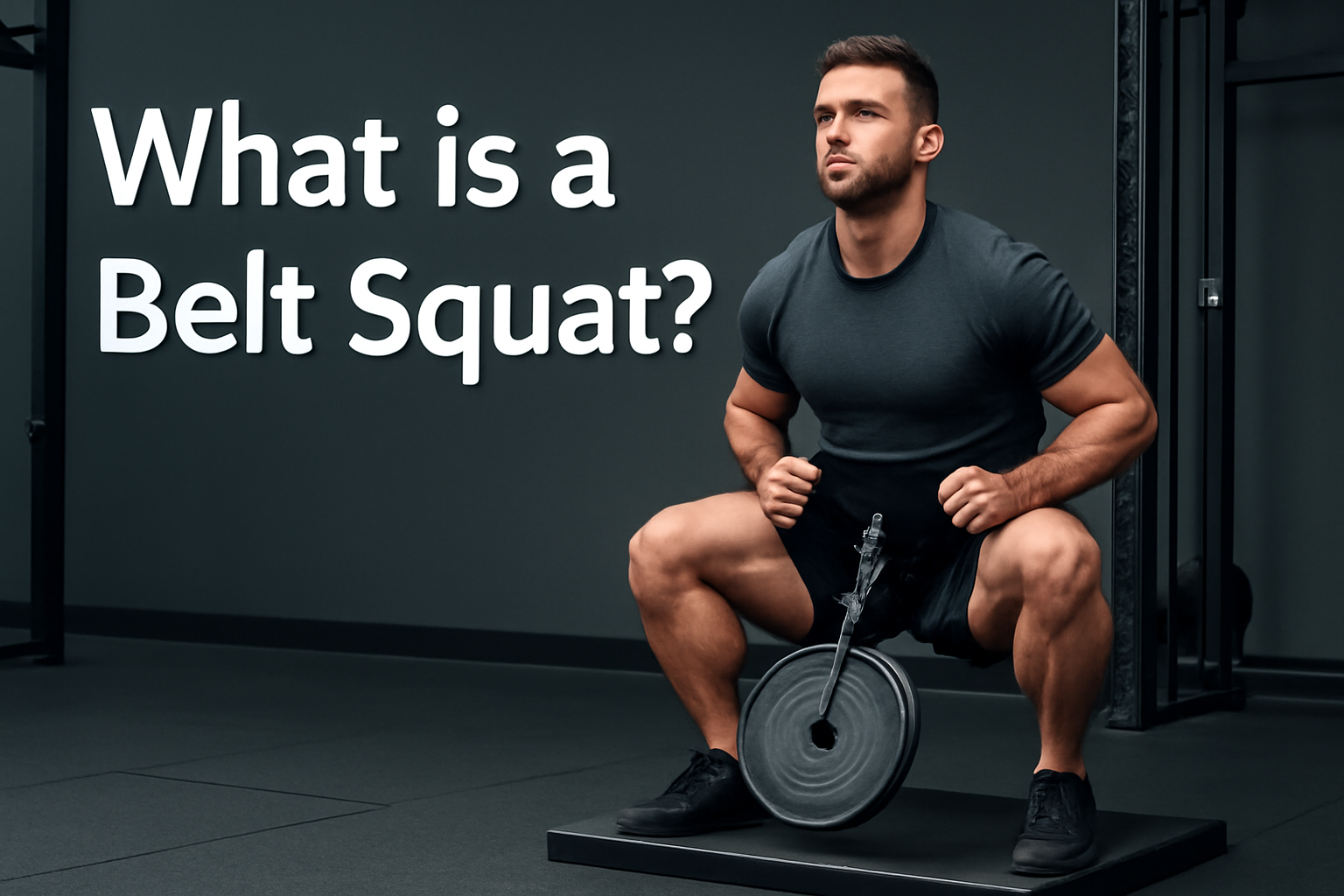
A belt squat is a lower-body exercise that uses a belt to load weight around your hips instead of your shoulders. This setup allows you to perform squats while avoiding the strain that traditional squats put on your spine and lower back.
The exercise is simple: You wear a belt that is connected to a weight, usually with a chain or cable. As you squat, the weight pulls downward, focusing the load on your legs. This makes it easier to work your quads, hamstrings, and glutes without the need for a barbell on your shoulders.
Belt squats are especially helpful for people who may experience back pain or discomfort from regular squats. By eliminating the pressure on your spine, you can still get the benefits of a traditional squat, like improved leg strength and muscle growth, but with less risk of injury.
Benefits of Belt Squats
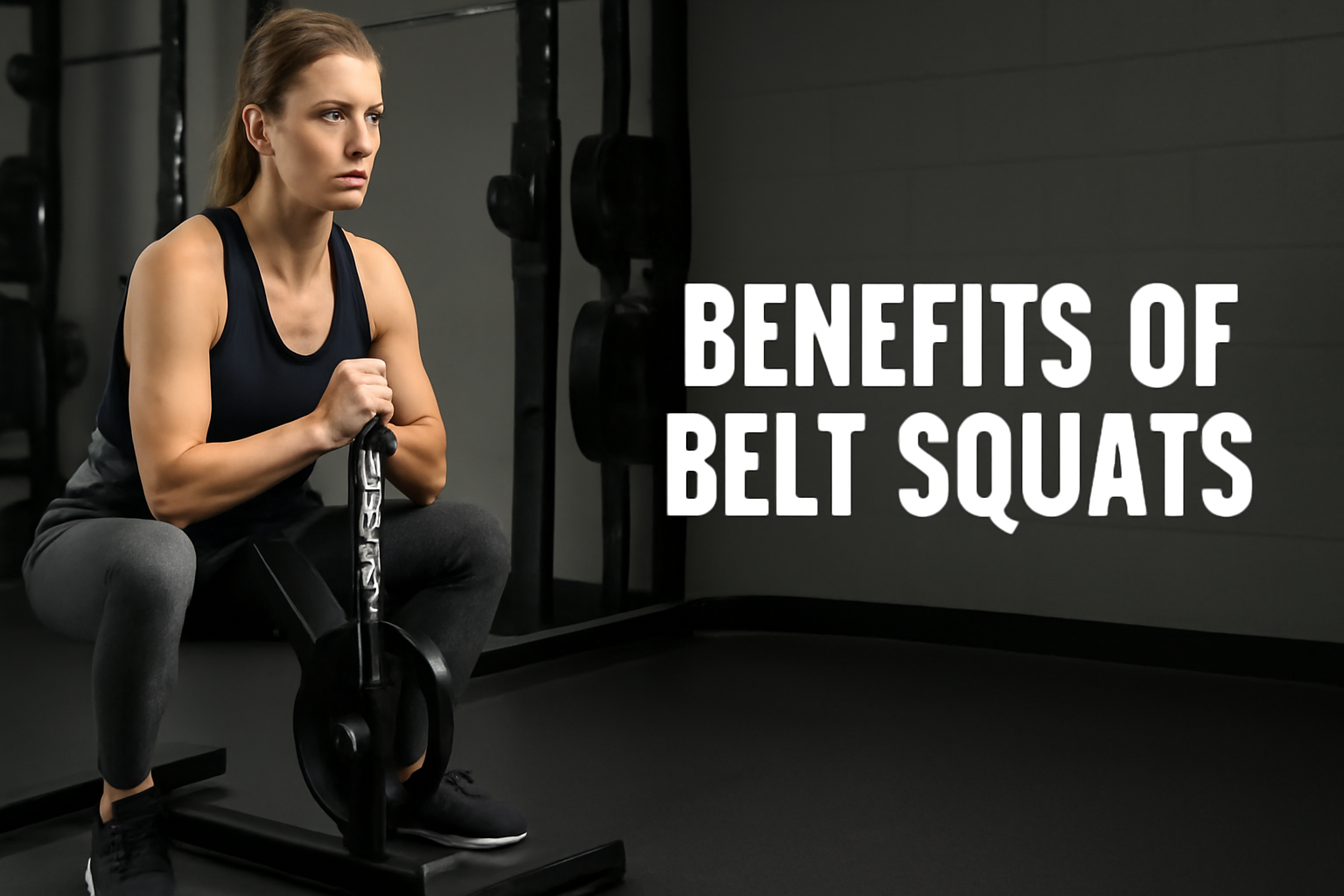
Belt squats offer several key benefits that can enhance your leg training while keeping your body safe. Here are some of the top reasons why you should consider adding belt squats to your workout routine:
1. Spinal Decompression
Traditional squats can place a lot of pressure on your spine, especially when using heavy weights. This can lead to back strain or injury. Belt squats, on the other hand, relieve this pressure by shifting the load from your spine to your hips and legs. This makes it a great option for those with back issues or anyone looking to reduce spinal compression during workouts.
2. Targeting Leg Muscles
Belt squats are highly effective at targeting the muscles in your legs, including your quads, hamstrings, and glutes. Because the load is focused on your lower body, you can engage these muscles more directly. This helps improve muscle strength and size without the risk of overloading your back.
3. Reduced Lower Back Strain
Unlike traditional squats, belt squats do not require you to support a heavy barbell across your shoulders. This removes the strain from your lower back, making it an ideal exercise for those recovering from back injuries or those who want to avoid unnecessary stress on their spine.
4. Great for Leg Strength and Power
If you're looking to build strong, powerful legs, belt squats are an excellent choice. By providing a deep squat movement while keeping your back safe, you can build lower body strength and power that transfers well to other athletic activities, like running, jumping, and sports performance.
5. Versatility
Belt squats can be done with different variations, depending on the equipment you have and your fitness goals. You can adjust the weight, stance, and even try single-leg variations to target different muscles. This versatility makes it a great addition to any workout routine, whether you're training for strength, size, or overall fitness.
Incorporating belt squats into your routine can help you build leg strength while minimizing the risks often associated with traditional squats. This makes them a valuable exercise for people of all fitness levels.
Choosing the Right Belt Squat Belt
When it comes to selecting the best belt squat belt, there are a few important factors to consider. The right belt will ensure comfort, durability, and a proper fit for your workout needs. Here are the key things to look for when choosing a belt squat belt:
1. Comfort and Fit
The most important factor is comfort. Since you’ll be wearing the belt during your squat, it’s essential that it fits well and doesn’t cause discomfort. Look for a belt that’s adjustable and can fit snugly around your waist and hips. A well-fitting belt will help you stay focused on your squats, ensuring you can perform each movement with precision and confidence.
2. Material and Durability
Belt squat belts are typically made from durable materials like nylon, leather, or heavy-duty webbing. The material you choose should be strong enough to support heavy weights without stretching or wearing out. Leather belts are often preferred for their durability, but nylon and other synthetic materials are also great options if you’re looking for something lighter.
3. Weight Capacity
Make sure the belt you choose can handle the weight you plan to use. If you’re lifting heavy loads, you’ll need a belt that can support the amount of weight without buckling or breaking. Check the manufacturer’s weight rating before making a purchase to ensure that the belt can handle your strength training needs.
4. Brand and Quality
Some brands are more trusted than others when it comes to fitness gear. Popular and reliable brands like Spud Inc and Tread Athletics offer high-quality belt squat belts designed for comfort and strength. These brands are known for their durability and ability to withstand heavy use.
5. Versatility
Some belt squat belts are designed for multiple exercises, not just belt squats. Look for a belt that allows you to use it for different movements, such as hip thrusts or cable pull-downs. This added versatility can give you more value from your investment.
6. Price
While it’s tempting to go for the cheapest option, remember that a quality belt squat belt is an investment in your training. Higher-quality belts may have a higher price tag, but they will last longer and provide better support for heavy lifts.
Choosing the right belt squat belt will enhance your workout and make your leg training more effective. Make sure to prioritize comfort, durability, and weight capacity, and opt for trusted brands to ensure you get the most out of your investment.
Belt Squat vs. Back Squat: Which One is Better for Your Legs?
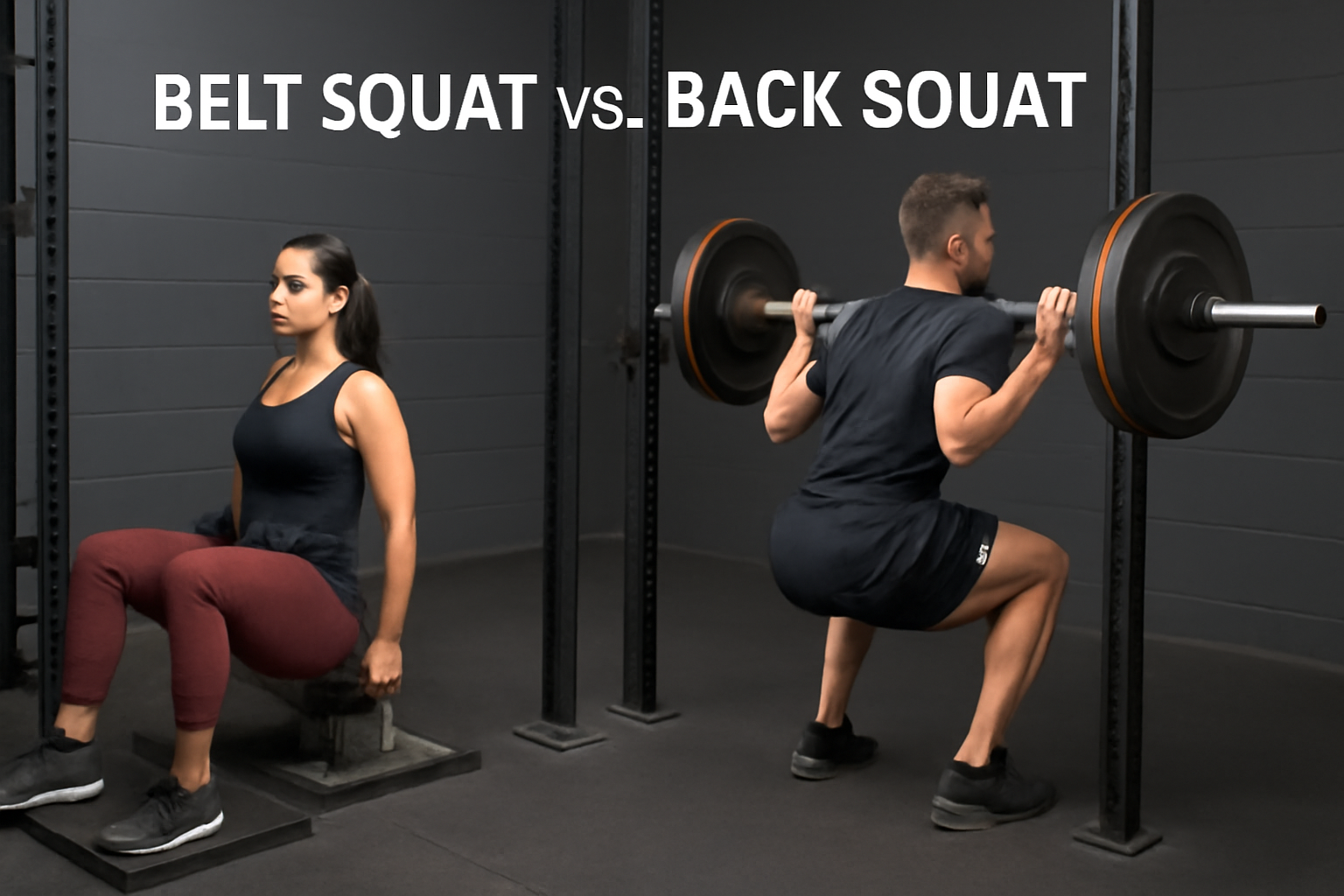
When it comes to building strong legs, both belt squats and back squats are popular choices. But which one should you focus on? Let’s compare the two and help you decide.
1. Spinal Stress and Safety
Traditional back squats can place a lot of pressure on your spine because the barbell sits across your shoulders. This added stress can sometimes lead to discomfort or even injury, especially if you're lifting heavy.
Belt squats remove this risk by shifting the weight to your hips. Without the load on your spine, you can squat safely and comfortably, which makes belt squats a good option for people with back issues or those looking to protect their spine during training.
2. Targeted Leg Muscles
Both exercises target your quads, hamstrings, and glutes, but they work these muscles in different ways. In a back squat, you also engage your core to stabilize the weight, which means you're working your entire body, not just your legs.
Belt squats focus more directly on your leg muscles. Since there's no need to stabilize a heavy barbell, you can better isolate the quads and glutes, making this exercise more efficient for leg development.
3. Maintaining Proper Form
Back squats require careful attention to your form. You need to maintain a straight back, avoid leaning forward, and squat deep enough for maximum benefit. This can be tricky with heavy weights and can increase the risk of injury if your form slips.
With belt squats, there’s no barbell to balance, so your posture is naturally more stable. You can focus on getting a deep squat without worrying about the load on your back. This makes it easier to maintain proper form and get the most out of your leg training.
4. Setup and Convenience
Back squats need a squat rack, a barbell, and sometimes a spotter to help with heavy lifts. This setup can be intimidating for beginners or anyone who doesn’t have access to a gym.
Belt squats are simpler to set up. All you need is a belt and a machine or pulley system. This makes it easier for people to perform belt squats at home or in any gym with the right equipment.
5. Which One Should You Choose?
- Back Squats: Best for building full-body strength, improving core stability, and increasing overall power. If you're looking to train more than just your legs, back squats are ideal.
- Belt Squats: Perfect for those who want to target their legs more directly and safely, without overloading the back. If your goal is leg growth with less spinal stress, belt squats are the way to go.
Both exercises are valuable tools. By understanding the benefits of each, you can incorporate them both into your routine to maximize leg development.
Final Thoughts
In summary, belt squats are an excellent way to build leg strength without putting strain on your back. By incorporating them into your routine, you can target your quads, hamstrings, and glutes more effectively while minimizing the risk of injury. Whether you’re using a commercial belt squat machine or setting up your own DIY station at home, this exercise is a great addition to any fitness plan.
Now that you have all the information, it’s time to take action. Start setting up your belt squat station and begin reaping the benefits of this leg-focused exercise. The sooner you get started, the sooner you’ll see improvements in your strength and leg development.
We’d love to hear your thoughts! Share your experiences with belt squats in the comments, or let us know if you have any questions. And don’t forget to check out Hamilton Home Fitness for more tips and equipment that can help you achieve your fitness goals at home.