
Introduction:
Do you want to strengthen your back and improve your posture? The chest supported row with dumbbells is a great exercise for that. It's simple to do and helps you target your upper back muscles without straining your lower back.
This exercise is done while lying on an incline bench that supports your chest. This position keeps your body steady so you can focus on using your back muscles, such as the traps, rhomboids, and lats. It also helps with shoulder stability and can reduce tension in your lower back.
If you struggle with regular rows that put stress on your back, the chest supported row is a better option. It lets you work your upper back muscles safely and effectively. Whether you're new to exercise or a seasoned gym-goer, this move can be a great way to add strength to your routine.
In this guide, you'll learn the right way to do a chest supported row with dumbbells. Follow these tips to improve your form, avoid common mistakes, and get the most from every workout. By doing this exercise correctly, you can improve your posture and build a stronger, healthier back.
What is a Chest Supported Row?
A chest-supported row is a simple exercise that strengthens your upper back. You do it while lying face down on an inclined bench. The bench supports your chest and helps you focus on your back muscles without straining your lower back.
The exercise targets key muscles in the upper back, like the lats, rhomboids, traps, and rear deltoids. These muscles help improve posture, build strength, and prevent shoulder injuries.
The chest-supported row is better for your lower back than other types of rows. The bench supports your chest, so you don't have to worry about using your lower back to pull the weight. This makes the exercise safer and more effective for building back strength.
This move also helps improve shoulder stability and posture. If you sit for long hours each day, the chest-supported row can help correct poor posture and relieve tension in the back. It's a great addition to any workout routine, whether you want to build muscle or improve posture.
Benefits of the Chest Supported Row
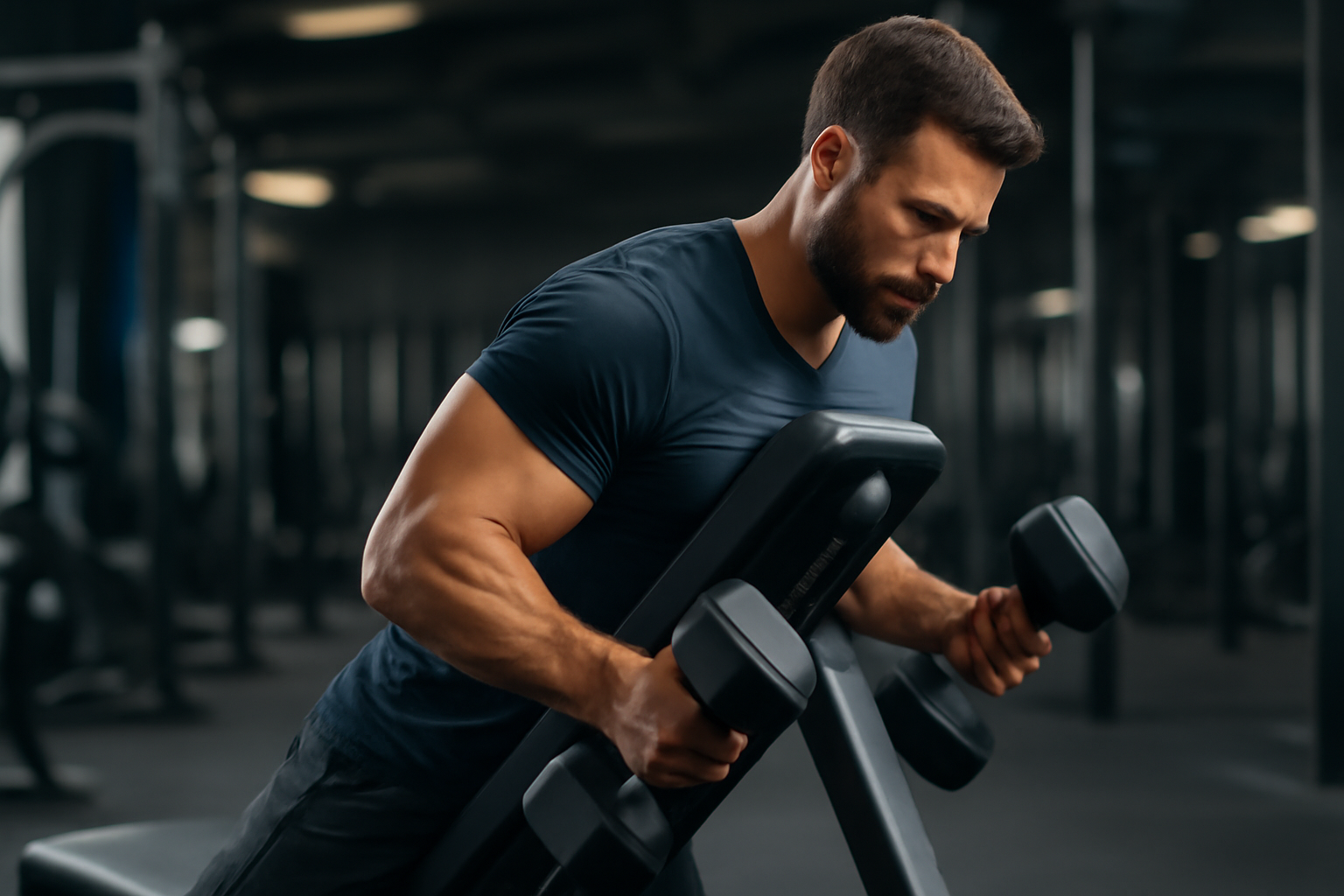
The chest supported row is an excellent exercise for building a stronger back and improving posture. Here are the main benefits:
Works Key Back Muscles
This exercise targets muscles in your upper back, like the lats, traps, and rhomboids. These muscles are important for strength, posture, and overall back health.
Improves Posture
Many people have poor posture from sitting too long. The chest supported row helps strengthen the muscles that keep your back straight. This can help you stand taller and feel better throughout the day.
Reduces Lower Back Strain
Unlike other rowing exercises, the chest supported row removes stress from your lower back. Since the bench supports your chest, you don't have to worry about your lower back taking over the movement.
Boosts Shoulder Stability
A strong upper back helps keep shoulders stable, which is important for preventing injuries and improving overall shoulder health.
Isolates the Upper Back
The chest supported row focuses only on the upper back muscles. This allows you to perform the exercise with better form and control, helping you get the most out of each rep.
The chest-supported row is a great way to build back strength, improve posture, and avoid lower back pain. It's safe and effective for people at any fitness level.
How to Perform a Chest Supported Row with Dumbbells
Performing the chest supported row with dumbbells correctly is essential for maximizing its benefits. Here's a step-by-step guide to help you get it right:
Set Up Your Bench
Start by adjusting the incline bench. You want it to be at about a 30-45-degree angle. Lie face down on the bench, making sure the pad fully supports your chest. Your feet should be flat on the floor, and your body should be in a straight line.
Grab the Dumbbells
Reach down and grab a dumbbell in each hand. Depending on your preference, hold them with your palms facing each other (neutral grip) or palms facing down (overhand grip). Keep your arms fully extended toward the floor and maintain a slight bend in your elbows.
Engage Your Core
Before you begin the row, tighten your core. This will help keep your body stable and prevent unnecessary movement during the exercise. Focus on keeping your back straight, and your shoulders pulled down and back.
Pull the Dumbbells
Start the row by pulling the dumbbells toward your ribcage. As you do, squeeze your shoulder blades together, activating the muscles in your upper back. Keep your elbows close to your body and avoid flaring them out to the sides.
Lower the Dumbbells
Slowly lower the dumbbells back to the starting position, fully extending your arms while maintaining control. Don't let the weights drop quickly; this part of the movement is just as important for building strength.
Breathing
Breathe in as you lower the dumbbells and exhale as you pull them up. This breathing pattern helps maintain a steady rhythm and ensures you don't hold your breath during the movement.
Common Mistakes to Avoid
- Arching Your Back: Keep your back straight throughout the exercise. Avoid arching or rounding your lower back to prevent strain.
- Using Momentum: Focus on controlled movements. Don't swing the weights or use momentum to pull the dumbbells up.
- Flaring Elbows: Keep your elbows close to your body. Flaring them out can put unnecessary strain on your shoulders.
By following these steps and maintaining proper form, you'll get the most out of your chest-supported rows, build a stronger back, and improve your posture.
Advanced Variations of the Chest Supported Row
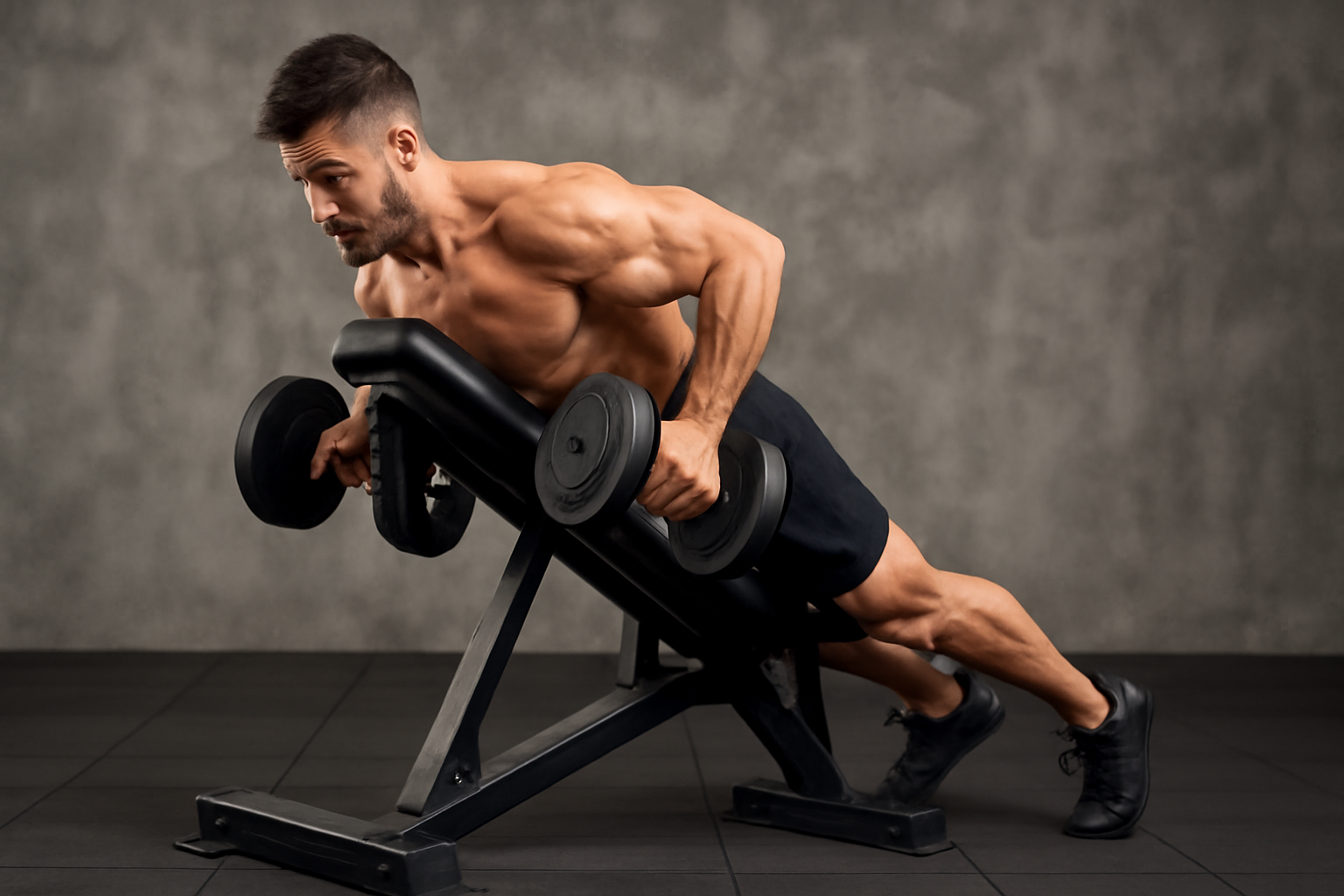
Once you are comfortable with the basic chest supported row, you can make the exercise more challenging with these advanced variations. These changes will help you target different parts of your back and build more strength.
Wider Grip
By using a wider grip, you can focus more on your upper traps and rear delts. To do this, hold the dumbbells with your hands wider than shoulder-width apart as you row them toward your body. This will change the muscles worked and increase the challenge.
Single-Arm Chest Supported Row
To make the exercise more focused, try using one arm at a time. Perform the row with one dumbbell while keeping the other arm resting on the bench. This will help balance out any muscle imbalances between the sides.
Add More Weight
If you feel strong with your current dumbbells, increase the weight. This will make the row more difficult and help you build more muscle. Always make sure your form stays solid, even with heavier weights.
Barbell Chest Supported Row
If you want to use heavier weights, switch to a barbell. This lets you increase the load and target the same muscles. You can use a barbell on a chest-supported row machine or a bench with a barbell rack. Just be sure to maintain proper form.
Chest Supported Row with Resistance Bands
Adding resistance bands to the row will make the exercise harder, especially at the top of the movement. Attach the bands to a fixed point in front of you and hold them with your hands. As you pull the dumbbells toward your chest, the bands will add extra resistance.
Why Use These Variations?
- Target Different Muscles: Each variation focuses on different parts of your back.
- Increase Intensity: Adding weight or changing your grip makes the exercise tougher and helps your muscles grow.
- Avoid Plateaus: Changing things up keeps your muscles from getting used to the same routine.
These advanced variations will challenge your muscles in new ways and help you keep improving. Try them once you're comfortable with the basic chest supported row.
Common Mistakes to Avoid
To get the most out of the chest supported row, it's important to maintain good form. Here are some common mistakes to avoid:
Arching Your Back
One of the biggest mistakes is arching your lower back during the row. This puts unnecessary strain on your spine and can lead to injury. Keep your back straight and your core engaged throughout the movement. Imagine your body is a solid line from your head to your feet.
Using Momentum
Avoid using momentum to swing the weights. The goal is to perform the row slowly and controlled to fully engage the muscles. If you find yourself jerking the dumbbells up, it's a sign that the weight is too heavy or your form needs adjusting.
Flaring Your Elbows
Keep your elbows close to your body as you pull the dumbbells. Flaring your elbows out can put unnecessary stress on your shoulders. A closer grip keeps the focus on your back muscles and prevents shoulder strain.
Not Pulling Far Enough
Some people stop pulling the dumbbells too early. To fully engage your back muscles, make sure you pull them all the way back to your ribcage. If you only bring the dumbbells halfway up, you're not fully activating your back.
Not Lowering the Dumbbells Slowly
Don't let the dumbbells drop quickly after reaching the top of the movement. Lower them slowly with control. The eccentric (lowering) part of the row is just as important as the lifting phase for building strength.
How to Avoid These Mistakes
- Engage Your Core: Always keep your core tight to prevent back arching.
- Use Moderate Weights: Choose a weight that allows you to maintain control without swinging.
- Focus on Elbow Position: Keep your elbows at your sides to engage the correct muscles.
- Full Range of Motion: Pull the dumbbells all the way to your ribcage and lower them slowly for maximum results.
By avoiding these common mistakes, you'll improve your form and get better results from the chest supported row. Consistency and attention to detail will help you build a stronger, more defined back.
FAQ: Chest Supported Row with Dumbbells
Here are answers to some of the most frequently asked questions about the chest supported row. These will help clear up any confusion and guide you in performing the exercise correctly.
1. What is a chest supported row?
A chest supported row is a back exercise performed while lying face down on an incline bench. The bench supports your chest, allowing you to focus on using your upper back muscles—specifically the lats, rhomboids, traps, and rear deltoids. This variation helps reduce strain on your lower back compared to traditional rowing exercises.
2. How do I do a chest supported row properly?
To do a chest supported row:
- Set the bench at a 30-45 degree angle.
- Lie face down with your chest resting on the pad.
- Grab a dumbbell in each hand, with arms fully extended toward the floor.
- Pull the dumbbells towards your ribcage while squeezing your shoulder blades together.
- Slowly lower the dumbbells back to the starting position, maintaining control throughout the movement.
3. What muscles do chest supported rows work?
Chest-supported rows primarily target the upper back muscles, including:
- Latissimus dorsi (lats): These large back muscles help with pulling movements.
- Rhomboids: Located between your shoulder blades, these muscles are key for posture.
- Trapezius (traps): These muscles help stabilize the shoulder blades.
- Rear deltoids: The back part of your shoulders that aid in pulling motions.
4. Can chest supported rows help with posture?
Yes, chest supported rows can improve posture. By strengthening the muscles in the upper back, this exercise helps pull the shoulders back, which counteracts the effects of slouching from sitting at desks or looking at screens for long periods. Stronger back muscles promote a more upright and healthy posture.
5. How many chest supported rows should I do?
For beginners, start with three sets of 8-12 reps. If you're focusing on building strength, aim for fewer reps (around 6-8) with heavier weights. For muscle growth (hypertrophy), stick to 8-12 reps with moderate weights. Adjust the sets and reps based on your fitness goals.
6. Can I do chest supported rows with dumbbells?
Yes, chest-supported rows are typically done with dumbbells. Dumbbells allow a natural range of motion and let you focus on individual muscle activation. They also help you work both sides of your back equally.
7. What's the difference between a chest supported row and a seated row?
In a chest-supported row, your body lies on an incline bench, which supports your chest and isolates the upper back muscles. A seated row, on the other hand, is performed sitting upright with your legs and back engaged. The chest-supported row focuses more on the upper back, while the seated row also involves the lower back and legs for stabilization.
8. Are chest supported rows good for beginners?
Yes, chest supported rows are an excellent exercise for beginners. The bench support reduces the risk of using improper form or straining the lower back, which is common in other rowing exercises. It's a great way to build foundational back strength safely.
9. Can I use a barbell for chest supported rows instead of dumbbells?
Yes, you can use a barbell for chest-supported rows. This variation allows you to lift heavier weights and can be done on a chest-supported row machine or a bench with a barbell rack. Using a barbell can target the same muscles while allowing you to increase the load for more strength development.
10. How do I avoid mistakes while doing chest supported rows?
To avoid mistakes:
- Keep your back straight and engage your core to prevent lower back strain.
- Perform the exercise in a controlled manner, focusing on slow, steady movements.
- Don't use momentum to pull the weights; let your muscles do the work.
- Keep your elbows close to your body to target the back muscles effectively.
These answers should guide you through the chest-supported row, ensuring you perform it correctly and get the most from the exercise. If you have more questions, feel free to ask or check out related resources for further tips!
Final Thoughts
The chest supported row with dumbbells is a great way to build a stronger upper back and improve your posture. It helps target the lats, traps, and rhomboids, which are important for a well-balanced back. Plus, it reduces strain on your lower back, making it a safer choice for people with lower back issues.
Remember to focus on your form. Keep your back straight, engage your core, and pull the dumbbells slowly. This will help you get the most out of the exercise. As you get stronger, you can try different variations or increase the weight to continue challenging your muscles.
If you want to improve your workout, make sure you have the right equipment. Hamilton Home Fitness offers high-quality fitness gear that can help you perform exercises like the chest supported row with ease. With the right equipment, you can take your fitness journey to the next level.
Start adding the chest supported row to your routine today. With the right form and consistency, you'll see improvements in both strength and posture. And don't forget to check out Hamilton Home Fitness for reliable, durable equipment to support your workouts.
We'd love to hear your thoughts! Share your experiences in the comments below. Please pass this guide along to others who might find it helpful.