Authorized:











Stepr




Find Your Stair Climber Machine for Home
Choosing the right stair climber machine for home comes down to fit, not brand name. A compact stepper slips into tight rooms and keeps cardio low-impact. A step mill runs a revolving staircase for gym-level intensity. A vertical climber turns your whole body into the engine. Match the type to your space and how you train, and the results follow.
Stair climbers pack strong cardio and serious lower-body work into a smaller footprint than most treadmills. That is why they move fast for home gyms, studios, and commercial floors alike. At Hamilton Home Fitness, you can line up every style side by side and ship it nationwide from our Tennessee base.
Home Stair Climber Types
Three main styles exist, and they feel completely different underfoot—so pick the type before you pick a brand.
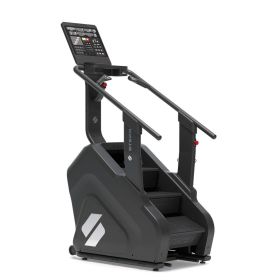
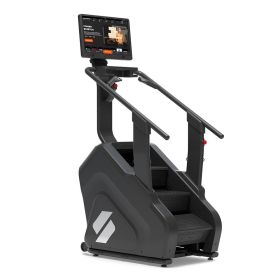
A stair stepper uses two fixed pedals with short travel and a steady rhythm. It is the compact, quieter, budget-friendly option for apartments and small home gyms. A step mill—the classic gym "StairMaster"—runs a revolving staircase, so you climb real moving steps for the most authentic and demanding session. A vertical climber holds you upright and pulls your arms, back, and core into the work alongside your legs.
What muscles does a stair climber work? Every style loads your glutes, quads, hamstrings, and calves while your core stabilizes each step. Vertical climbers add the upper body, so they recruit more total muscle per minute.
| Type | Feel underfoot | Space and ceiling | Best suited to |
|---|---|---|---|
| Stair stepper | Two fixed pedals, short travel, steady rhythm | Small footprint, standard ceilings | Apartments, beginners, low-impact cardio |
| Step mill | Revolving staircase, real-stair feel, hardest climb | Tall unit, roughly 8 ft ceiling, doorway clearance | Serious trainers, HIIT, endurance |
| Vertical climber | Upright full-body climb, arms and legs | Small floor footprint, upright height | Whole-body burn, short, intense sessions |
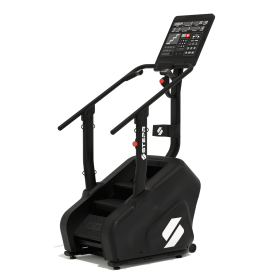
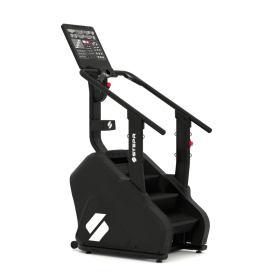
In our catalog, the compact side starts with STEPR stair steppers and the entry-level Endurance CL300 climber, while the Matrix ClimbMill C50 handles the true step-mill feel.
How to Choose Yours
Line up three things first — your space, your body weight, and how hard you plan to train. Everything else is a detail once those fit.
Ceiling height is the trap people miss. On a tall step mill, you stack your standing height on top of the step height, so a low basement or a tight doorway can rule one out before it arrives. Quick test: tape the unit's footprint on the floor, stand inside it, and mime your stride with your hands on imaginary rails.
Weight capacity should sit well above your body weight so the frame stays stable and holds up to daily use. From there, weigh resistance range, console features, and build quality against your budget.
✅ Machine type matched to your goal
✅ Footprint that fits your room
✅ Ceiling and doorway clearance
✅ Weight capacity above your body weight
✅ Adjustable resistance or step rate
✅ Console and workout tracking
✅ App or connected features if wanted
✅ Noise level for shared walls
✅ Home vs commercial-grade build
✅ Manufacturer warranty by brand
✅ Freight access for large units
Not sure which style fits your room? Work through our stair climber buying guide first, then shop with confidence.
Which Type Suits You
Match the machine to the person, and the workout takes care of itself.
Beginners, seniors, and small-space owners do best on a compact stepper — forgiving, quiet, and easy to tuck away. Serious home trainers chasing endurance or HIIT get more from a step mill's continuous climb. Gyms, studios, hotels, and athletic programs need commercial-grade builds that survive all-day traffic, which is where our commercial stair climbers come in.
Is a stair climber good for weight loss? Yes. It drives your heart rate up and demands strong lower-body effort, so short, consistent sessions burn well and build muscle at the same time.
Stair climber vs treadmill, which is better? A treadmill favors walking and running; a stair climber loads your glutes and legs harder and lands easier on the joints. Plenty of home gyms keep both for variety.
Is a stair climber bad for your knees? For most people it is lower-impact than running because there is no hard landing, which is why sensitive knees often tolerate it well. Control your speed and posture, and check with a physical therapist first if you are managing an injury.
Brands and Models We Carry
We stock stair climbers from established, trusted names so you can compare genuine options side by side.
We do not build these machines; we source and sell them through authorized dealer channels, which means real, brand-made units rather than rebadged house copies. Our stair climber range spans STEPR, Spirit Fitness, Matrix Fitness, Body-Solid, Cascade, Sunny Health and Fitness, Vortex, and APE. That mix covers apartment-ready steppers, touchscreen-connected step mills, and commercial floor units, so one catalog answers most budgets and training goals.
Why Shop With Hamilton
Buy here for genuine equipment, real brand choice, and guidance from a team that knows the gear.
Because we are a dealer and not a manufacturer, the advice you get is about which machine actually fits you, not which one we need to move. Hamilton Home Fitness carries the full cardio lineup beyond climbers, so you can build a complete setup from our wider cardio equipment selection. Every order ships nationwide across the U.S. from our Tennessee headquarters, and our team can help with sizing, delivery access, and full gym design. When you are ready to compare or order, Hamilton Home Fitness keeps it straightforward.
Stair Climber FAQ
How much ceiling height do I need for a home stair climber?
It depends on the type. Compact steppers and vertical climbers work with standard ceilings, and connected home units like the STEPR usually need about 8-foot clearance. Tall step mills add your standing height to the step height, so measure your room and doorway before you order.
Can I use a stair climber in an apartment?
A compact stepper is the apartment-friendly choice because it is quieter, lighter, and takes up little floor space. Set it on a mat to cut vibration for neighbors below. Tall step mills are heavier and better suited to houses or dedicated gym rooms.
Do home stair climbers ship freight or standard?
Larger step mills and commercial units usually ship by freight because of their size and weight, and some assembly is normal. Compact steppers and climbers are easier to handle. Check the product page and our shipping details for what is included and any inside-delivery options.
What warranty comes with a stair climber?
Warranty length varies by brand and model, so review the specific product page for frame, parts, and labor terms. Established commercial brands often carry longer coverage than entry units. We list only the warranty terms the manufacturer provides.
Are stair climbers a good choice for seniors or beginners?
Yes, when you start slow and use the handrails for balance. Steppers and low step-rate settings let you build up gradually, and the motion stays lower-impact than running. If you are managing a health condition, check with your doctor or physical therapist first.
How much should I budget for a stair climber machine for home?
Our range starts around $1,850 for a compact climber and rises into five figures for premium connected step mills. Compact steppers cost the least, while commercial-grade and touchscreen units sit at the top. Match the machine to how often you will use it rather than buying on price alone.
Start Climbing Today
Find your stair climber machine for home and start building stronger, healthier days. Compare steppers, step mills, and climbers across every brand, then order online for fast nationwide shipping from our Tennessee base. Your stronger week starts with the first step.
Secure Payments