











Upright
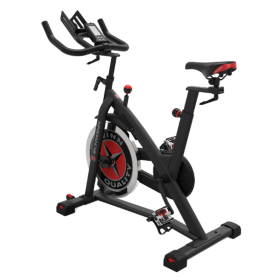
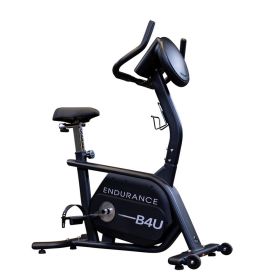


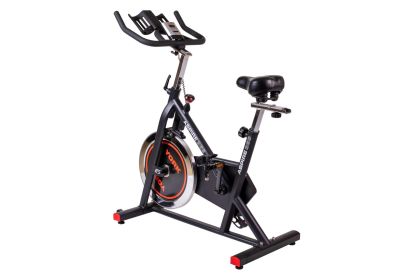


Find the Best Upright Exercise Bike for Home
An upright exercise bike gives you efficient, low-impact cardio in a compact footprint, with pedals set under your hips for a natural road-bike feel. The best upright exercise bike for you comes down to four things: flywheel weight, resistance type, seat and handlebar fit, and how much space you have.
Shoppers hunting for the best exercise upright bike usually want three things—a smooth ride, a comfortable fit, and a machine that lasts for years. This guide breaks down what actually matters, then points you to uprights worth comparing. As an authorized dealer, Hamilton Home Fitness carries them from trusted brands like Horizon, Sunny Health & Fitness, and Schwinn.
Upright bikes suit riders who want everyday cardio without a large machine taking over the room. They work your core and legs, mirror a normal cycling posture, and tuck into small spaces more easily than most cardio gear. If a supported, reclined position matters for your back or knees, a recumbent may fit better—the comparison further down covers that call.
How to choose an upright bike
Match the bike to your goals, body, space, and budget first, then compare a short list of specs. A few details separate an upright ride you use daily from one that gathers dust in the corner.
Flywheel weight drives ride quality. Lighter budget flywheels around 10–15 lb can feel choppy at speed, while heavier 20–30 lb flywheels carry momentum for a smoother, steadier pedal stroke. What flywheel weight is good on an upright bike? Aim for roughly 20 lb or more if a gym-like feel matters to you; lighter is fine for gentle, steady cardio.
What resistance type is best for a home upright bike? Magnetic resistance is the quiet, smooth, low-maintenance option that suits apartments and shared rooms. Friction systems cost less and stay simple. If you crave all-out intervals, a fan bike scales resistance with your effort—though that sits in its own category.
Seat and handlebar fit decide whether long rides feel good. Look for a seat that adjusts up, down, and ideally fore-and-aft, plus handlebars you can reach without hunching. Taller riders deserve a caution here: around 6'2" and up, fit gets less predictable, so check the stated height range before you buy.
A clear console showing time, distance, RPM, and heart rate keeps your training honest. Bluetooth or app support is a bonus, not a requirement — plenty of strong uprights keep the display simple and skip subscription fees.
How much space does an upright bike need? Most uprights are compact and fit a corner or spare room, and a quiet magnetic model won't disturb the rest of the house. Measure your floor space and check the footprint before ordering. Then confirm the weight capacity clears every rider, and treat the frame build and warranty as durability signals—lifetime frame coverage usually points to a commercial-grade build.
Use this checklist to compare models fast:
✅ Flywheel weight for a smooth ride
✅ Magnetic resistance for quiet use
✅ Enough resistance levels for progress
✅ Seat height and reach that fit you
✅ Handlebars you can hold without hunching
✅ Clear console with the metrics you use
✅ Compact footprint for your space
✅ Weight capacity for every rider
✅ Steel frame built to last
✅ Warranty and real dealer support
✅ Optional Bluetooth or app support
✅ Home vs. commercial-grade rating
To see these specs on real machines, compare uprights from Horizon Fitness or a gym-style option like the Sunny Health & Fitness SF-B901, which pairs a heavy 40 lb flywheel with a 275 lb weight capacity for a stable, momentum-driven ride.
Compare upright models now and match the specs above to your space, your budget, and how hard you plan to push.
Upright vs recumbent, spin & air
An upright bike is the balanced middle ground—more core work and calorie burn than a recumbent and more comfort than an aggressive spin setup. The right style depends on how hard you want to work and how much support your body needs.
Is an upright or recumbent bike better for weight loss? Uprights usually burn a little more per session because they recruit more muscle. The bike you'll ride consistently still wins, though; a small calorie gap means nothing if the machine sits unused.
Are upright bikes good for bad knees? Cycling is low-impact and easier on the knees than running. A recumbent supports your back and eases joint stress further, so anyone rehabbing an injury should weigh both—and check with a doctor or physical therapist before starting a new program.
| Bike style | Workout intensity | Comfort & joint support | Best for |
|---|---|---|---|
| Upright | Moderate to high | Good, seated and active | Everyday cardio, small spaces |
| Recumbent | Low to moderate | Highest, full back support | Seniors, back and knee relief, long rides |
| Spin / indoor | High | Lower, aggressive posture | Standing intervals, road-bike feel |
| Air / fan | Very high | Moderate, full-body | HIIT and conditioning |
Want a supported ride instead? Compare recumbent bikes. Chasing hard intervals? An air bike pushes back as hard as you pedal. Still torn between styles, our upright vs. recumbent bike guide walks through fit, comfort, and real-world results.
Why buy from Hamilton Home Fitness
You get genuine, authorized-dealer products, real brand selection, and nationwide US shipping. Cardio gear is a long-term purchase, so where you buy matters as much as what you buy.
Hamilton Home Fitness is an authorized dealer, so every upright arrives genuine and backed by the manufacturer's warranty—not an anonymous marketplace listing. A real team helps when you're stuck between two models or planning a full room.
Delivery reaches all 50 states from our Tennessee base. Select brands, including Body Solid and Spirit Fitness, ship free, while other models calculate shipping at checkout. Many bikes can be checked out online in minutes; a few premium lines are handled by direct quote—just reach out to confirm your total before you order.
Browse the full upright range and order with dealer support behind every model.
Upright bike FAQs
Are upright bike seats uncomfortable?
Some riders find narrow seats firm at first. Choose a padded, adjustable seat, dial in the height and reach, and give it a couple of weeks to break in. A gel seat cover is a cheap fix if you want extra cushioning.
Can tall riders use an upright bike?
Yes, but fit varies by model. If you're around 6'2" and taller, check the seat height range and reach before buying, since not every upright accommodates longer legs and a longer torso comfortably.
Are upright bikes quiet enough for apartments?
A magnetic-resistance upright runs quietly enough for early mornings and shared walls. Fan and belt-drive bikes make more noise, so magnetic is the better pick for close quarters.
Do I need a subscription to use an upright bike?
No. Many uprights run built-in programs with no monthly fee. Subscriptions add streaming classes and guided rides, but they're optional—check whether a bike depends on one before you commit.
Do upright bikes build muscle?
They tone and strengthen your legs, glutes, and core rather than add size. For steady lower-body conditioning and cardio, an upright delivers; for muscle growth, pair it with strength training.
How long should I ride an upright bike?
Most riders do well with 20–40 minutes, three to five times a week. Start easy, build your time before your intensity, and add resistance only once your form stays smooth.
Ready to ride? Compare the uprights that fit your space and goals, then order today with nationwide US shipping and authorized-dealer support behind every model. Not sure which one is right? Reach out, and we'll match you to the bike that fits.
Secure Payments