
Authorized:












BodyKore VFCR1702B Full Linx Storage Rack Functional System
Weight Storage Rack: Full Linx System
Weight Storage Rack, Built for Flow
This weight storage rack fixes one clear pain. It stops plate clutter and station pile-ups. It does that by putting storage racks, a Smith machine, and a cable crossover in one modular frame. Your floor stays clear.
The BodyKore Linx Rack was built to create training zones so groups can train at the same time. It supports cross training, group fitness, and solo work. It keeps an open layout for class interaction.
Weight Storage Rack training zones
The goal is simple. More training. Less waiting. Set up lanes like these.
- Smith Lane for guided bar paths.
- Cable lane for two users at once.
- Pull-up lane above the floor line.
- Storage lane that keeps gear “parked.”
When you give every plate and handle a home, reset time drops. That is how busy rooms stay safe.
Weight Storage Rack functional method
Functional training hits many big muscle groups at once. It also matches real-life moves. Think squat, hinge, push, pull, and rotate. This system helps because you can switch tools fast. You do not need to rebuild the room between sets.
Weight Storage Rack Craft & Finish
This rack feels premium because it stays tight under load.
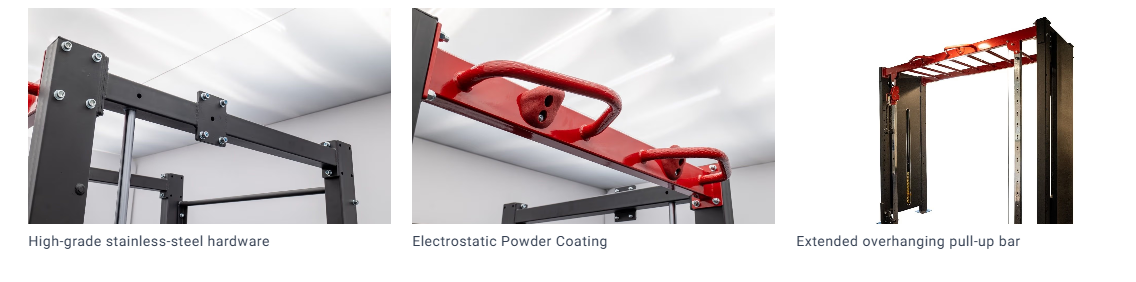
- High-grade stainless-steel hardware with polished bolts and nuts.
- Electrostatic powder coating for strong adhesion and long wear.
FEATURES (built into the system):
- High-grade stainless-steel hardware.
- Electrostatic Powder Coating.
- 16 Adjustable Points.
- Extended overhanging pull-up bar.
- Customizable headpiece.
- Floor- or wall-mounted.
Add your logo on the headpiece. Make the zone feel like yours.
- 2x 200lb weight stacks.
Weight Storage Rack adjustability
You get 16 adjustable mounting points. That means fast height changes and repeatable setup.
Weight Storage Rack pull-up reach
The extended overhanging pull-up bar adds bodyweight work. It does not steal floor space. Use it for pull-ups, hangs, and core work.
Weight Storage Rack Specs & Setup
Here is the direct answer. You get a big system that still saves space because storage is built in.
Weight Storage Rack mounting options
Choose floor-mounted or wall-mounted. Floor mount can suit open layouts. Wall mounts can protect walk lanes in tight rooms.
Weight Storage Rack dimensions
- Dimensions: 254" x 63" x 94".
- Weight: 2223 lbs.
Weight Storage Rack cable power
- 2 × 200 lb weight stacks on the cable crossover.
- Two users can pull at the same time.
Quick setup checklist (real-world):
- Measure ceiling height first (94").
- Plan a clear walk lane out front.
- Assign a home for each handle and plate.
Need the full sheet for your team? Download the datasheet.
Weight Storage Rack Warranty & Value
Here is the direct answer. This is a “buy once” system with clear coverage. Strength Warranty (North America Only).
- Frame (Not Coatings): Lifetime.
- Weight Stacks: 10 Years.
- Pulleys: 10 Years.
- Pivot Bearings: 10 Years.
- Other Items Not Specified: 3 Years.
- Upholstery/Cables/Springs/Grips: 1 Year.
- Accessories: 6 Months.
Weight Storage Rack for Every Buyer
This weight storage rack fits many spaces and people.
- Home Fitness Enthusiasts.
- Commercial Fitness Facilities.
- Fitness Professionals and Trainers.
- Socially Conscious Consumers.
- Individuals Seeking Personalized Fitness Solutions.
- Health and Wellness Enthusiasts.
- Corporate Wellness Programs.
- Luxury Fitness Equipment Shoppers.
- Consumers Seeking Equipment for Rehabilitation or Recovery.
- Budget-Conscious Buyers.
- Fitness Influencers and Bloggers.
- Small Gym and Studio Owners.
- Sports Teams and Athletic Programs.
- Faith-Based Consumers.
- Environmental-Conscious Consumers.
- Young Professionals and Millennials.
- Retirees and Seniors.
- Families and Parents.
- Eco-Conscious Fitness Enthusiasts.
- Fitness Hobbyists and Weekend Warriors.
Weight Storage Rack key features
✅ Modular zone-based system.
✅ Smith + cable crossover integration.
✅ 2 × 200 lb weight stacks.
✅ 16 easy-adjust mounting points.
✅ Extended overhanging pull-up bar.
✅ Stainless hardware, polished finish.
✅ Electrostatic powder coat durability.
✅ Customizable headpiece logo panel.
✅ Floor-mount or wall-mount option.
✅ Space-efficient open training layout.
For USA-wide delivery support from Tennessee, shop through Hamilton Home Fitness.
People Also Ask (voice-search style):
Is this weight storage rack only for commercial gyms?
No. It fits commercial floors, studios, and serious home gyms.
How many people can train at once?
Several. Split lanes. Two can use the cable stacks at once.
Can I mount it to the wall?
Yes. It can be floor-mounted or wall-mounted.
What makes it functional training ready?
Fast tool swaps. Clear lanes. Adjust points. Full-body moves.
Is it suitable for rehab or recovery?
With a qualified pro, cables can support controlled, scalable work.
Ready to reclaim your floor space?
Order this weight storage rack now. Reset fast. Stay organized.
Author note: This page uses transparent specs, setup tips, and warranty terms to support confident buying.
Secure Payments