Authorized:











BodyKore GR809 Standing Calf Raise
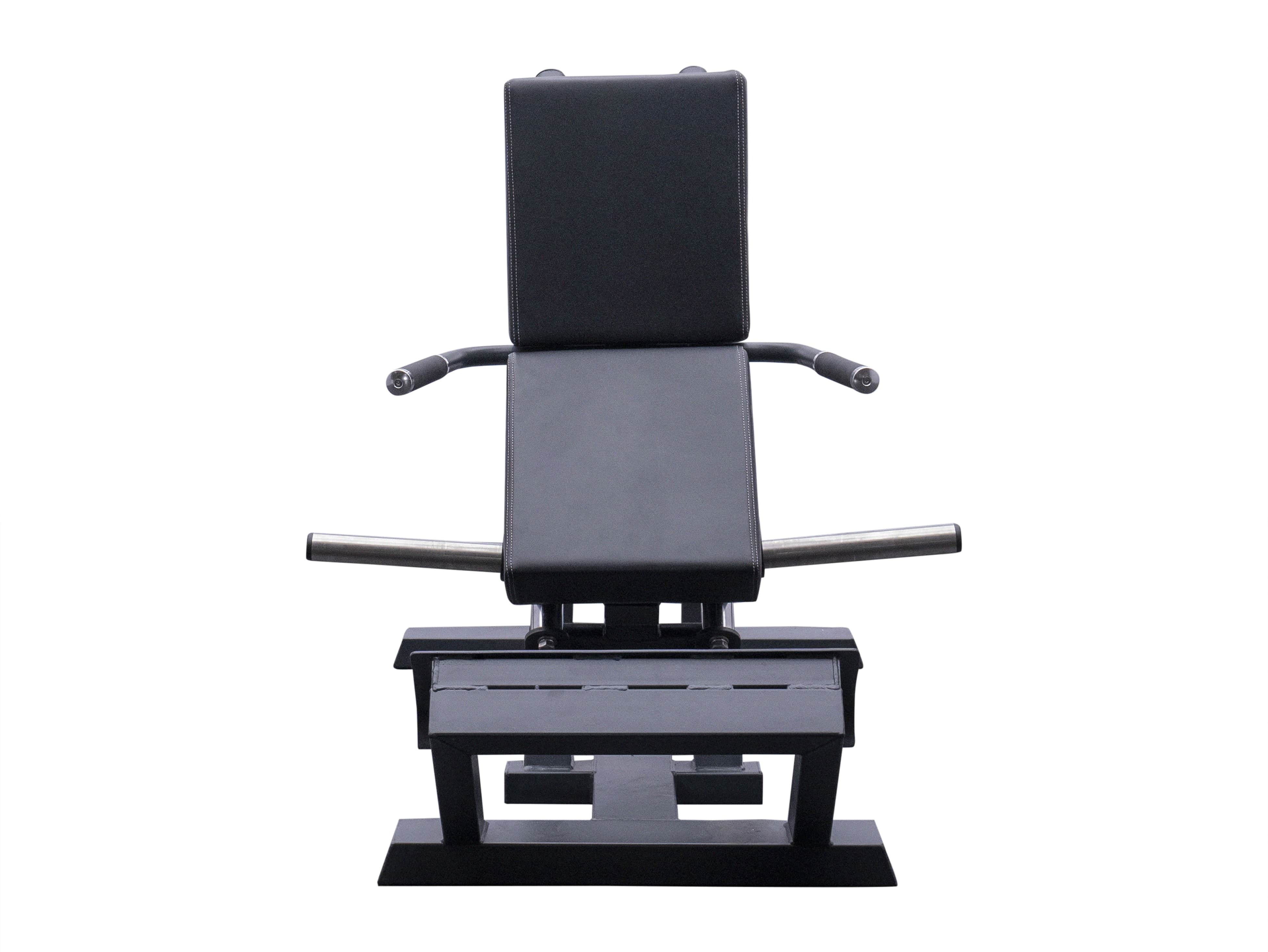
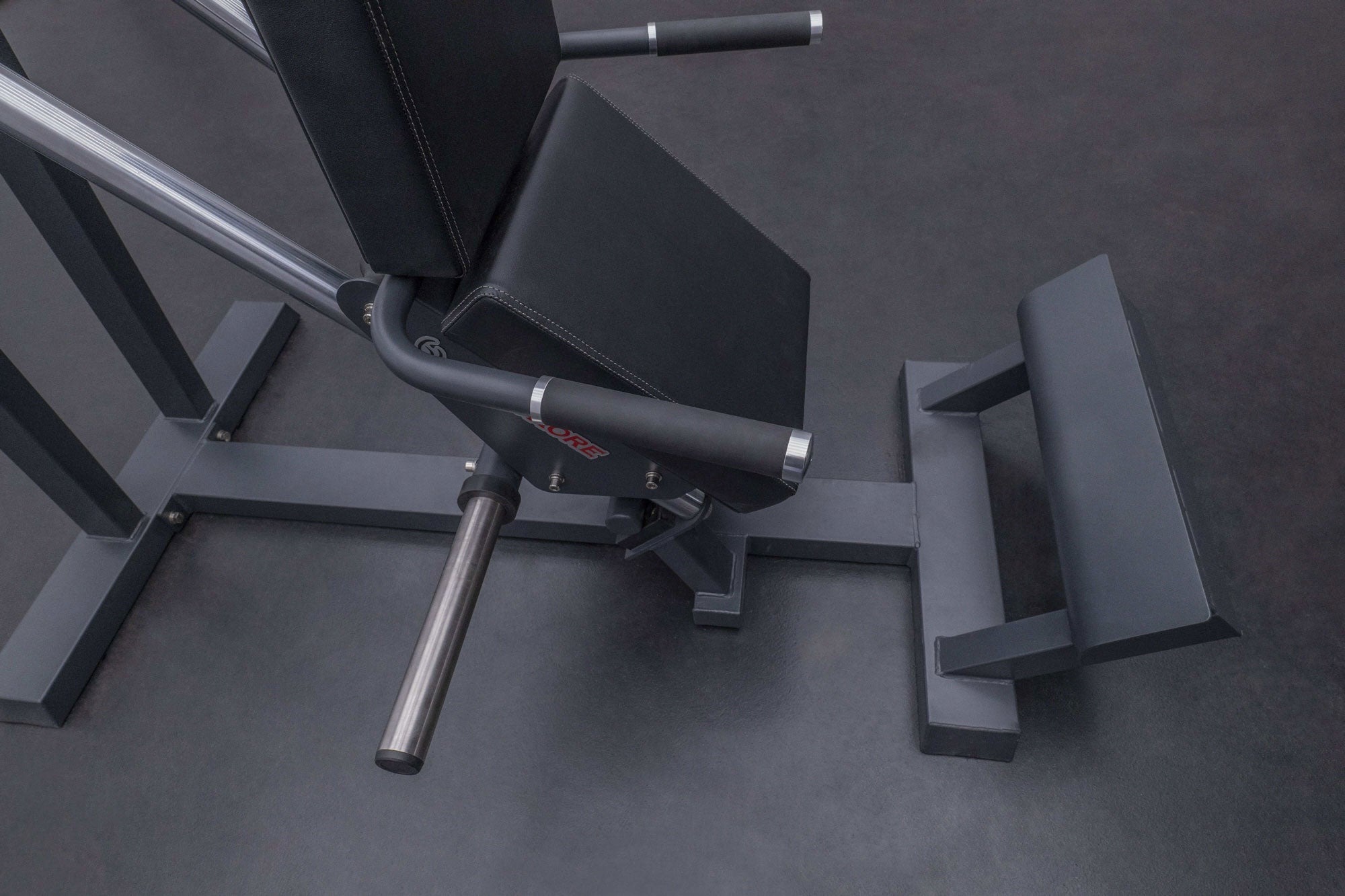
Standing Calf Raise Machine: BodyKore GR809
If your calves lag behind—or your members avoid calf work because free-weight raises feel awkward—the right standing calf raise machine solves one clear problem: it makes heavy calf training stable, intuitive, and repeatable. The BodyKore GR809 Standing Calf Raise is engineered for club use, yet polished enough for a premium home gym where reliability and finish matter.
The Standing Calf Raise Machine Advantage
Standing calf raises load the ankle in a way that strongly challenges the gastrocnemius (the larger, visible calf muscle). Compared with improvised setups (a step, dumbbells, a Smith machine), a dedicated standing calf raise machine delivers:
- Consistent alignment from rep one to rep fifty
- Confident loading without balancing a bar on your back
- Cleaner progression for athletes, weekend warriors, and recovery-minded users
In real facilities, the best machine is the one people actually use. Fast setup and secure contact points mean better adherence—and better outcomes.
GR809 Standing Calf Raise Craftsmanship
Standing calf raise machine frame feel
The GR809 uses heavy-duty, commercial-grade steel tubing for a planted, “no-rattle” feel under load—exactly what you want when you’re chasing progressive overload week after week.
Standing calf raise machine usability details
Small details decide whether a machine feels premium or merely adequate:
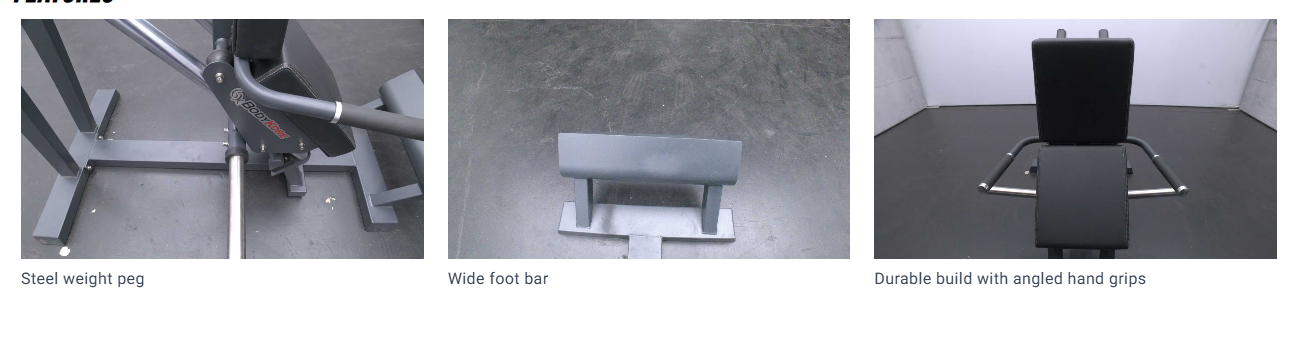
- Angled hand grips to help you brace and stack posture
- A wide foot bar so stance changes feel natural
- Steel weight pegs for straightforward plate loading
Stable hands, stable feet, and a predictable path let you focus on tension—not on wobble.
Features
Standing Calf Raise Setup & Technique
How to use a standing calf raise machine
Step in, set your feet on the wide bar, and hold the angled grips firmly. Start lighter than you think and earn the load with control.
Technique cues that build better calves
- Drive through the ball of the foot
- Use a full, pain-free range: stretch → rise
- Brief top pause to own the contraction
- Controlled lowering—don’t bounce into the bottom
Standing calf raise machine mistakes to avoid
- Short reps that skip the stretch
- Racing tempo to move plates, not tension
- Collapsing posture (tall chest, steady hips)
For recovery-focused users, reduce load, slow the lowering phase, and prioritize smooth motion. If you’re rehabbing an ankle or Achilles issue, consult a qualified clinician before heavy loading.
Standing Calf Raise Programming (Advanced)
Calves often respond best to more frequency and more intent. Pair heavy work with higher-rep volume so you train both strength and repeated contractions.
Simple programming you can run
- Strength (2x/week): 4–6 sets × 6–10 reps
- Volume (1–2x/week): 3–5 sets × 12–20 reps
- Finisher (optional): 1 strict set with a top pause
Progression rule: add 5–10 lbs only when you can hit the top of the rep range across all sets with the same depth and control.
Where the GR809 fits best
- Premium home gyms that want commercial stability
- Small studios and corporate wellness rooms
- Sports teams building ankle strength and durability
- Trainers who need quick, repeatable coaching cues
- Seniors and rehab-minded lifters prioritizing control
For teams and busy gyms, the machine keeps lower-leg work consistent without turning it into a balance drill.
Standing Calf Raise Machine Specs & Warranty
Standing calf raise machine dimensions and weight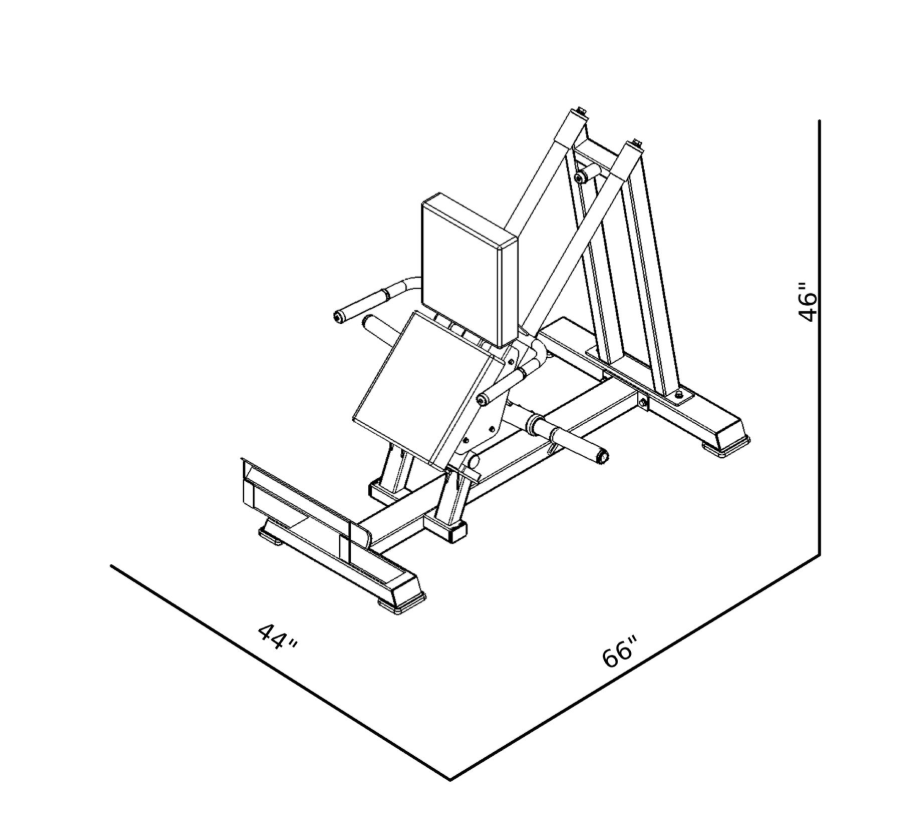
Only the provided specifications are listed:
- Dimensions: 66" × 44" × 46"
- Weight: 287 lbs
- Frame: Heavy-duty commercial-grade steel tubing
Standing calf raise machine warranty (North America)
- Frame (not coatings): Lifetime
- Weight stacks: 10 years
- Pulleys: 10 years
- Pivot bearings: 10 years
- Other items not specified: 3 years
- Upholstery/cables/springs
- Accessories: 6 months
Key Features of This Standing Calf Raise
✅ Commercial-grade steel tubing frame
✅ Lifetime frame warranty (not coatings)
✅ Wide foot bar for stance variety
✅ Angled hand grips for bracing
✅ Steel weight pegs for plate loading
✅ Stable platform for heavy sets
✅ Repeatable movement path
✅ Built for daily club traffic
✅ Premium look for luxury gyms
✅ Plate changes stay quick
Standing Calf Raise Machine FAQs
Is a standing calf raise machine better than free weights?
For most lifters, yes—because it removes balance limits and keeps tension consistent, especially as loads get heavier.
Which calf muscle does the standing calf raise target most?
Standing raises primarily emphasize the gastrocnemius while still training the lower leg as a system.
How often should I train calves on a standing calf raise machine?
Many people do best with 2–4 sessions per week, mixing heavier sets with higher-rep work.
Can beginners use a standing calf raise machine safely?
Yes. Start light, use a fully controlled range, and progress gradually.
What should I look for when buying a standing calf raise machine?
Stability, comfortable grips/foot placement, and a frame built for long-term loading—exactly what the GR809 prioritizes.
Ready to make calf training feel powerful instead of frustrating? From Tennessee-based support to nationwide shipping across the USA, get the standing calf raise machine you can build on for years at Hamilton Home Fitness—and order today.
Manuals
Data Sheets
Secure Payments