










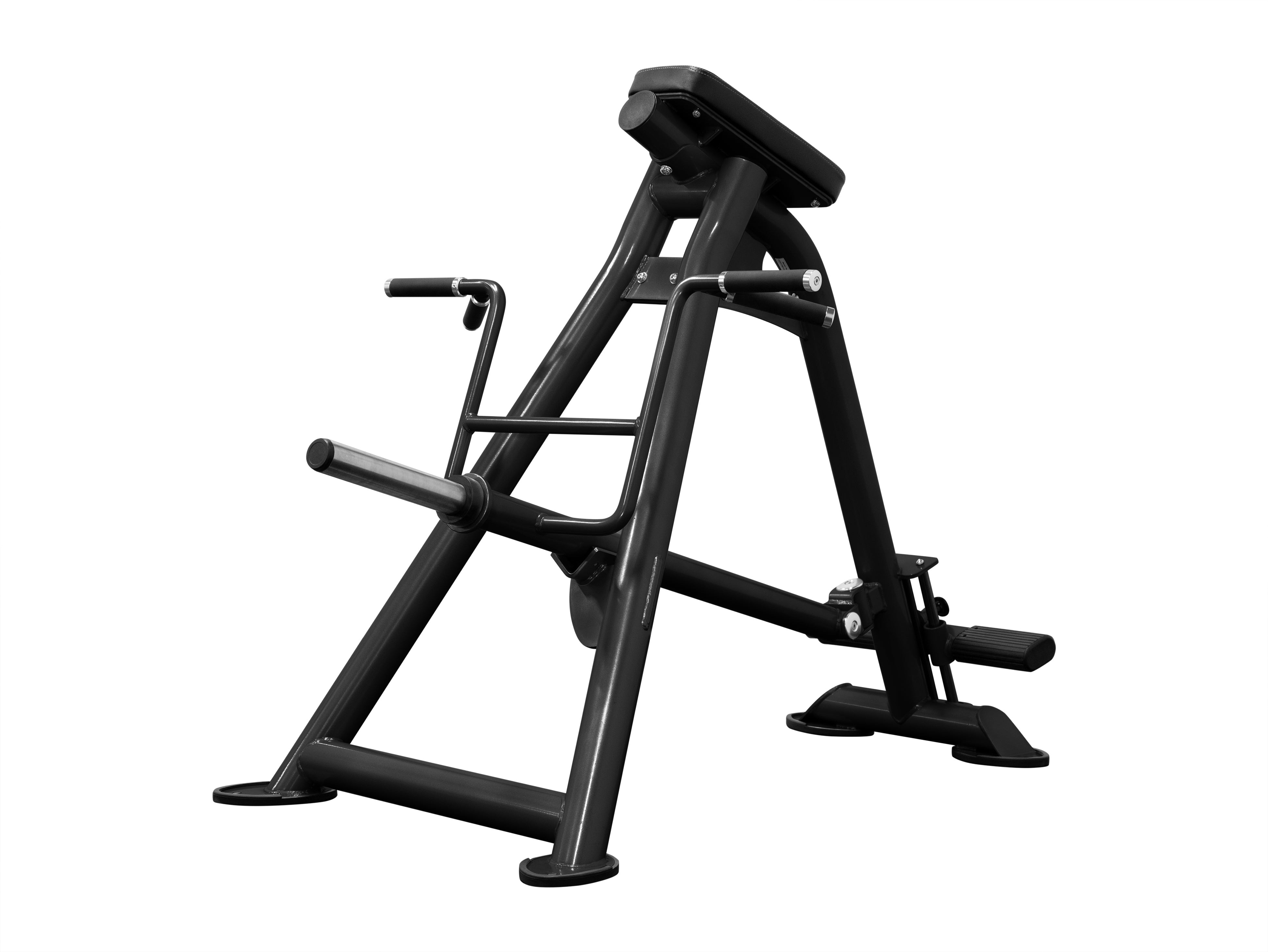
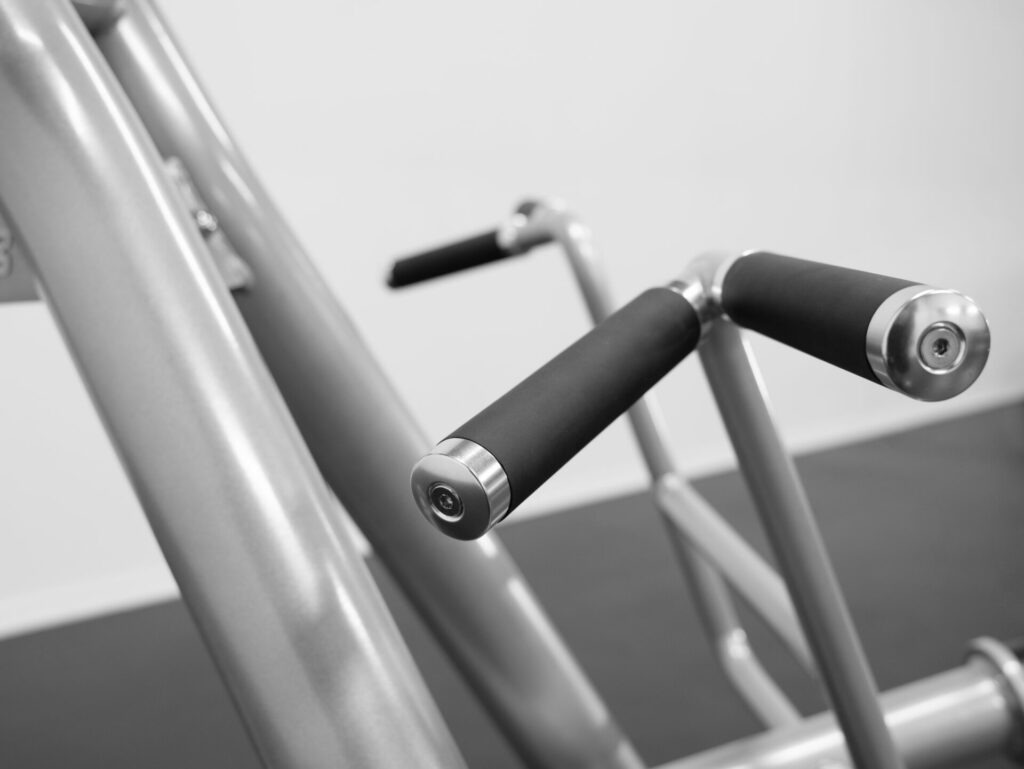
Standing T Bar Row Machine—Elite Series CF2173
Heavy rows build thick backs—until fatigue turns the last reps into a low-back contest. This standing T-bar row machine solves one clear problem: helping you row hard with repeatable mechanics, even late in the set.
From our Tennessee headquarters, we ship nationwide across all U.S. states—so you can add an “anchor row” station with confidence.
Why this standing T-bar row machine feels different
Answer: Stable bracing and chest contact reduce form drift, keeping the pull in the lats, mid-back, and rear delts instead of migrating into the lower spine.
A standing T-bar row pattern is popular because it’s simple: you load plates, set your stance, and pull. The Elite Series CF2173 keeps that simplicity but upgrades what matters most for real-world users—stability under load. When a machine stays tight, lifters stop “cheating the row” to survive fatigue, and coaches spend less time correcting hinge collapse.
Standing T-bar row machine chest support
Answer: Chest support usually wins for high-traffic gyms because it keeps reps cleaner when fatigue climbs.
In an unsupervised setting, heavy rowing can drift into “ego pulling.” Chest-supported contact helps:
- keep the torso quieter so the back does the work
- reduce the need to hold a long, grinding hip hinge for every rep
That doesn’t replace coaching—it makes coaching easier. You can cue ribs-down bracing and scapular control without fighting constant torso movement.
Standing T-bar row machine grip strategy
Answer: Different grips change the line of pull, letting you target lats or upper back without changing the exercise.
Use grip choice as a programming tool:
- Neutral/narrower grip: often feels strongest; many users feel more lat bias with elbows tucked.
- Wider grip: can shift sensation higher into the upper back.
- Mixed angles: useful for coaching scapular control (shoulder blade movement) instead of shrugging.
Real example: keep this machine as your primary heavy row, but rotate grip emphasis across training blocks. Progress stays measurable because the setup and path stay consistent.
Built for 2026 training and busy rooms
Answer: Mechanically simple, plate-loaded stations win because they stay reliable while coaching becomes more data-driven.
In 2026, training is increasingly guided by repeatable metrics and feedback loops. Wearable technology continues to lead major fitness trend forecasts, and coaching is moving beyond “tracking” toward smarter programming—where clean, repeatable reps matter even more.
Market outlooks continue to project growth for strength training equipment through 2030, which supports investing in durable, high-usage machines.
What owners typically like about an “anchor row” station:
- It’s intuitive—members don’t need a long learning curve.
- It’s low-drama—fewer moving parts means fewer surprises.
Quick setup cues for clean heavy reps
- Set feet to brace (no wobble, no tip-toes).
- Make firm chest contact on the pad (support, not rest).
- Keep ribs down and hips steady.
- Pull through the elbows; pause, then control the return.
Fast fix: if someone “feels it in the low back,” shorten the range slightly and re-establish chest contact before adding load.
Standing T-bar row machine specs
Answer: Compact footprint, full bracing, and plate-loaded intensity.
- Dimensions: 70" x 37" x 48"
- Weight: 112 lbs
Because it’s plate-loaded, progression is straightforward: add plates, keep form, and repeat.
The standing T-bar row machine features
Answer: Every detail supports comfort, grip security, and long-term stability.
✅ 11-gauge steel mainframe
✅ Plate-loaded, low-failure design
✅ Chest pad for stable heavy rows
✅ Narrow and wide grip positions
✅ Dual polyurethane-cored handles
✅ 7-position adjustable footplate
✅ Footplates built for strong bracing
✅ Durable powder coat finish
✅ Rubber end caps protect floors
✅ Commercial-rated heavy loading
Where it shines in a facility layout:
- Strength floor as the “back-day anchor”
- Performance rooms where athletes need heavy rows
- Home gyms that want one premium row station
Standing T-Bar Row Machine FAQs
Answer: Short, voice-search-ready answers for faster decisions.
What muscles does a standing T-bar row machine work?
Lats, rhomboids, mid-back, and rear delts, with core bracing to keep your torso stable.
Is a standing T-bar row machine safer for my lower back?
It can be, because stance and support reduce how long you must hold a hard hip hinge under fatigue. Chest-supported rows often feel more controlled for heavy sets.
Is a T-bar row better than a barbell row?
For many lifters, a T-bar path is easier to repeat with consistent form. Barbell rows are great too, but they demand more technique and bracing.
How much space do I need?
Plan for the machine footprint plus a clear lane for loading plates and safe entry/exit.
What plates fit most machines?
Most plate-loaded row machines are designed for Olympic plates (2-inch holes). Standardizing plates keeps loading fast.
What’s the best grip for lats?
Many people feel lats best with a neutral or slightly angled grip and elbows tucked.
Can beginners or seniors use it?
Yes—start light, prioritize setup, and keep tempo controlled. Stable bracing and support help users own the range.
Ready to add your anchor row?
Answer: If you want rock-solid rows now—and reliability for years—request pricing and ship anywhere in the USA.
Explore this standing T-bar row machine at Hamilton Home Fitness and request pricing or a facility quote. We’ll help you match the right build to your users, your space, and your budget.