Authorized:











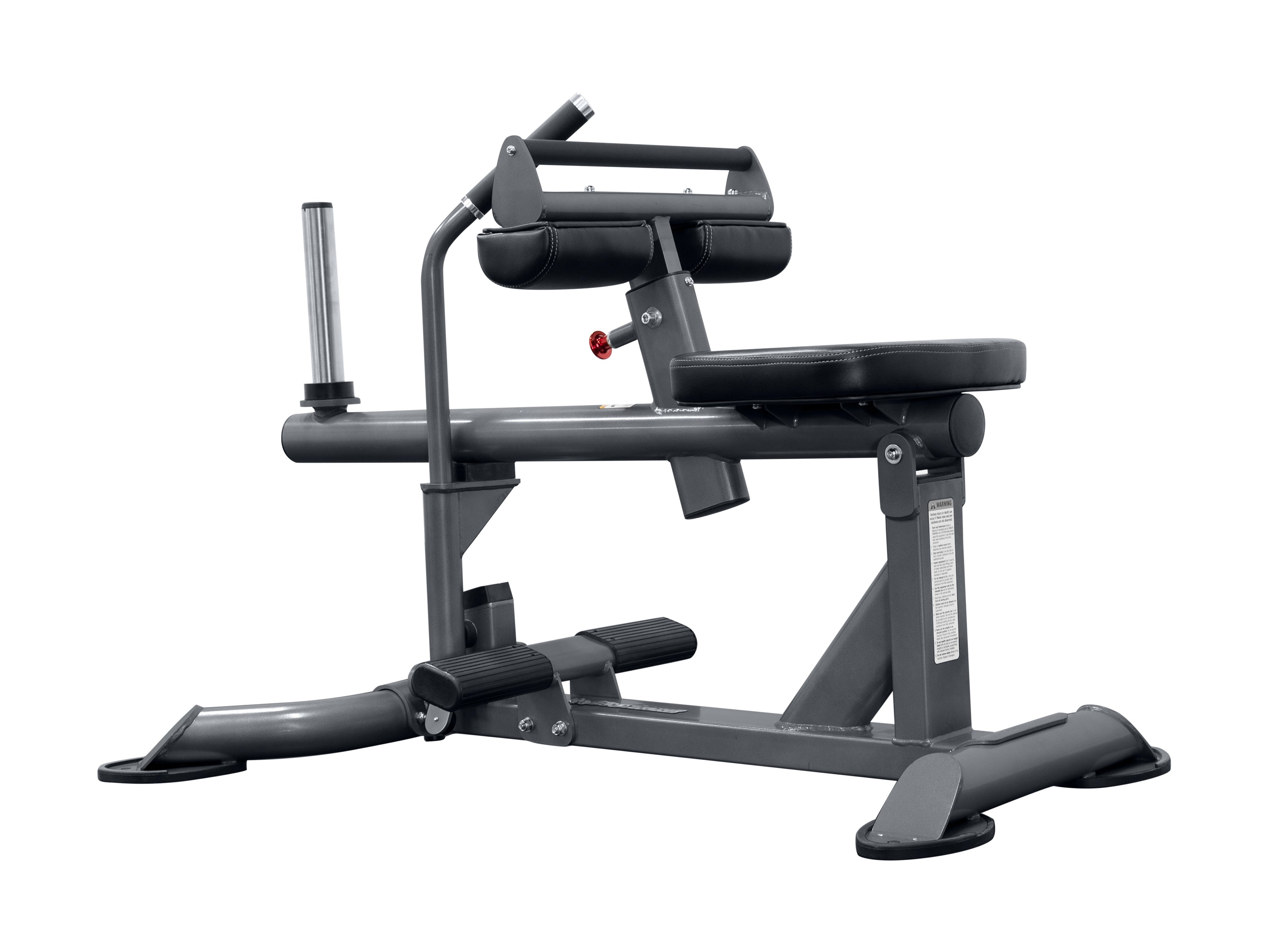
BodyKore Elite Series CF2172 Calf Raise
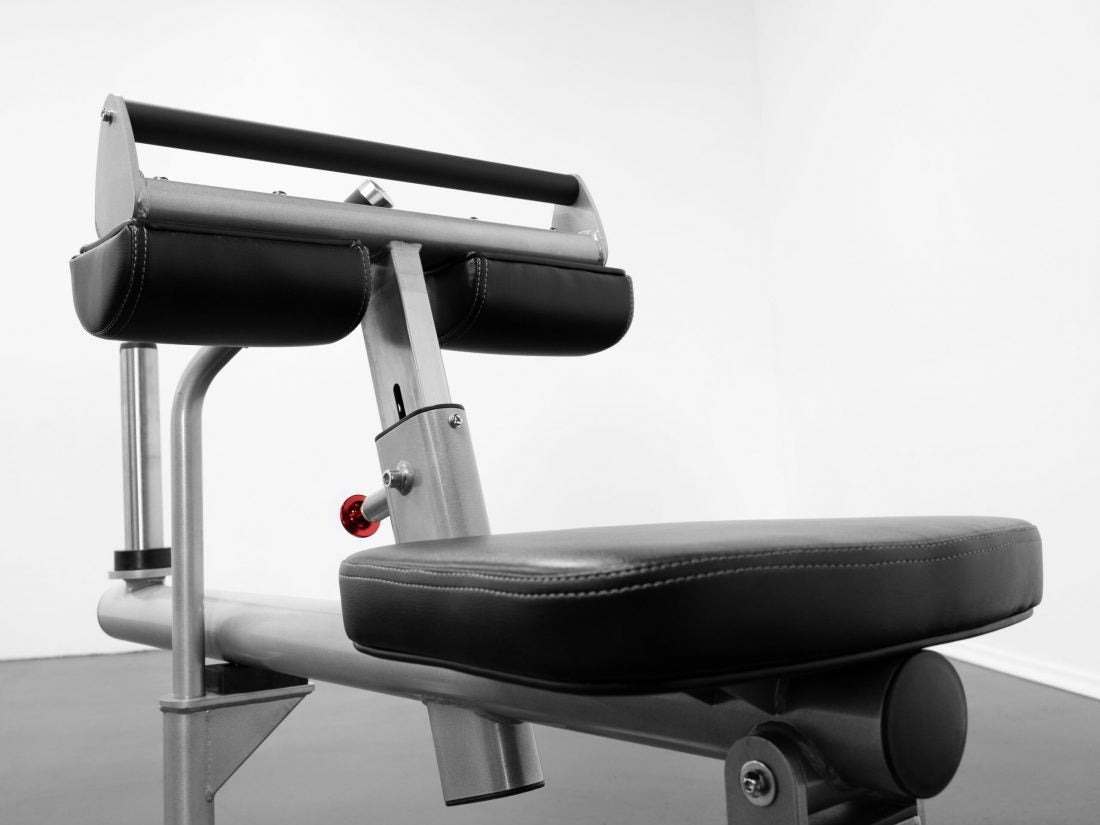
Seated Calf Raise Machines (2025 Pro-Grade)
Built for the 2025 strength shift
Strength training is no longer a side room. It is the plan. In 2025, the strength training equipment market is forecast to be around $12.96B and is projected to keep growing through 2030.
Home gyms are also becoming permanent, with forecasts projecting continued growth into the next decade.
This shifts buyer standards. Leaders want machines that are durable, repeatable, and easy to measure. ACSM’s 2025 trends rank wearable tech and training apps at the top, and they also elevate programs for older adults—two signals that measurable strength and lower-leg training are mainstream.
A seated calf raise machine fits that reality: load it, repeat it, log it.
Why a seated calf raise machine matters
Calves are performance muscles. Strong plantar flexors support ankle control, walking efficiency, jumping, and stable change of direction. Seated calf work also wins on consistency: quick setup, fixed path, and less skill demand than free-weight options.
Knee angle changes calf mechanics. Research on knee position during dynamic plantar flexion shows differences in muscle activation and torque when the knee is flexed versus extended.
That is why many serious programs use both standing and seated calf training over time.
How to choose the right seated calf raise machine
The right category pick is simple: a machine your people will actually use every week.
1) Choose the loading style that matches your space
Plate-loaded seated calf raise machines are the go-to for home gyms, studios, and athletic rooms. They are simple, smooth, and cost-efficient because you use Olympic plates. Selectorized stacks can be ideal for clinics and corporate rooms where fast pin changes matter.
2) Pass the “repeatability” fit test
If setup takes too long, users skip calves. Prioritize adjustability and comfort:
- Multi-position knee support
- Thick pads that stay firm
- Non-slip foot contact
3) Buy build quality, not just a logo
Commercial-grade cues are clear: heavy-gauge steel, a wide base, and quality hardware. Long-life equipment is also the sustainable choice because it reduces replacement waste and downtime.
Elite benchmark: BodyKore plated-loaded seated calf raise
A strong reference point in this category is the BodyKore Elite Series plate-loaded seated calf raise (CF2172). It is rated for 1000 lb+ and built from 11-gauge steel with 2"x4" oval tubing. It uses an Olympic-diameter weight horn and includes details built for real-world use: urethane mounting hooks, rubber step padding, stainless nuts and bolts, and extended mounting plates.
You also get control-focused design: 4-position knee support, durable 3" thick knee and seat pads, an easy engage/disengage lever, a grip bar, and a wide, textured, non-slip foot bar. If you want a “buy once” seated calf raise machine, this spec set is what to look for.
Key features to demand in this category
[✅] 11-gauge steel frame
[✅] 2"x4" oval tubing base
[✅] 1000 lb+ rated capacity
[✅] 4-position knee support
[✅] 3" thick knee and seat pads
[✅] Easy engage/disengage lever
[✅] Wide, non-slip foot bar
[✅] Olympic-diameter weight horn
[✅] Stainless hardware set
[✅] Rubber step padding
Set up, form, and programming that works
Calf training fails when reps turn bouncy. Win with range, control, and patience.
Quick setup cues
Sit tall. Lock thighs under the pad. Place mid-foot so the heel can drop under control. Pause briefly at the bottom. Drive up. Control the way down.
Simple starter plan (easy to track)
- Strength: 4 sets of 6–10 reps, slow lowering
- Volume: 3 sets of 12–20 reps, strict reps
Progress one thing at a time: load, reps, or range. Example: start with two plates for 12 strict reps, then build toward three plates with the same depth and pause. If you use wearables or an app, log calf work like any other lift to keep it visible and accountable.
Tennessee-based support, nationwide shipping
A seated calf raise machine is heavy. Shipping and after-sale support are part of the product. Hamilton Home Fitness is headquartered in Tennessee and provides nationwide service and shipping across all U.S. states. If you are outfitting a gym, we can help you standardize specs across locations for a consistent member experience.
Quick answers buyers ask
What muscles does a seated calf raise machine work?
It trains ankle plantar flexion and loads the calf complex. Many people feel seated work strongly in the lower leg because the knee is bent.
Is the seated calf raise better than the standing?
They do different jobs. Knee angle changes how the calf muscles contribute, so many programs use both for fuller development.
How much weight should I use on a seated calf raise machine?
Start with a weight you can control through a full range. Add load only when every rep stays smooth and strict.
Do I need a seated calf raise machine for a home gym?
If you want stronger lower legs without tying up a rack, it is one of the best single-purpose add-ons.
Is a seated calf raise machine good for rehab or recovery?
It can support controlled loading, but rehab should follow a clinician’s plan—especially for Achilles or ankle pain.
The decisive next step
Pick the seated calf raise machine that matches your space, your users, and your loading style. Then commit to tracking it for eight weeks. When calves become measurable, they become unstoppable.
Manuals
Data Sheets
Secure Payments