- HUDSON STEEL (PRIVATE INVOICE ONLY)
Authorized:











Vests

Buy a Weighted Vest You Won't Outgrow
A weighted vest adds load to movement you already do—walking, push-ups, squats, and rucking—so your muscles and heart work harder in the same session. Adjustable vests let you start light and add weight as you get stronger. Most buyers begin at 5–10% of bodyweight.
Buy a weighted vest once, and if you choose adjustable, you won't need a second one. The vests here come from Body-Solid, York Barbell, Hudson Steel, and Apollo — brands that build training equipment, not fashion pieces.
Which Vest Style Fits Your Training?
Match the vest to the movement, not to the biggest number you can carry. Three styles cover nearly every buyer.
What's the difference between a weight vest and a weighted vest? Nothing. The two terms describe the same tool, and you'll see both used across this category.
| If you mostly… | Choose | How you load it |
|---|---|---|
| Walk or add daily steps | Light shot-filled vest | Start near 5% of weight. |
| Do calisthenics or HIIT | Adjustable pocket vest | Micro-load in small steps |
| Ruck or train Murph-style | Plate-loaded carrier | Add plates in bigger jumps |
Is a plate carrier better than a weighted vest? Only if you need what it does. Plate carriers sit rigid against the torso and jump in large increments, which suits rucking and hero WODs. Adjustable vests move with your body and load in finer steps, which suits almost everyone else.
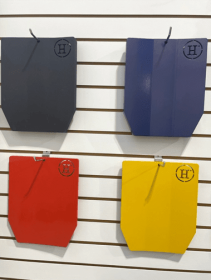
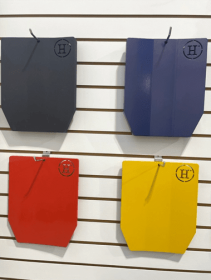
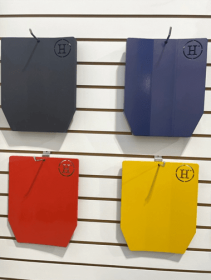
This category covers both ends. The York Weighted Vest is a clean entry point into vest training, while Body-Solid's premium 40 lb vest uses removable weight packs for steady progression. The Hudson weight vest takes separate vest plates for heavier, more structured loading.
How Much Weight Should You Start With?
Start lighter than feels impressive, then earn the next plate. Buying too heavy a vest is the single most common mistake—the vest gets worn twice and then lives in a closet.
How heavy should a weighted vest be? For walking, roughly 5% of your bodyweight is a sensible first load. Active users often build toward 10% over time. Strength work and rucking can go heavier, but only after your body has adapted.
At 150 lb, that means starting around 7–8 lb. At 200 lb, closer to 10 lb. Raise the load in small steps and hold each one for a few weeks before moving up.
Here's the rule most product pages leave out: buy for the load you'll use in six months, not the load you can survive today. A 20 lb vest feels punishing in week one and light by month three. If you intend to progress, buy an adjustable vest and add plates instead of replacing the whole vest.
Is walking with a weighted vest good for you? For most healthy adults, yes. It raises the intensity of a habit you already have without adding a minute to your day. Keep the load moderate and your posture tall.
Ready to start? Browse the vests above and pick your first load.
Before You Buy a Weighted Vest
Fit and adjustability decide whether a vest gets used or shelved. Weight capacity matters far less than most buyers assume.
✅ Weight adjusts in small, even steps
✅ Snug fit with no bounce or shift
✅ Balanced front-to-back load
✅ Breathable fabric for long sessions
✅ Padded shoulders for heavier loads
✅ Secure straps that hold under sprints
✅ Capacity that matches your real goal
✅ Add-on plates to scale up later
✅ Durable stitching at every seam
✅ Full arm range for pull-ups and presses
✅ Reflective trim for low-light walks
✅ Authorized-dealer support after the sale
Add-on vest plates here run from 3.5 lb up to 13.5 lb, so you can raise the load in meaningful increments without buying a second vest.
Honest Limits Worth Knowing
A weighted vest is a strong training tool, not a shortcut—and it isn't right for everyone. Saying so plainly will save you money and possibly an injury.
Bone-health claims deserve real care. Evidence on weighted vests and bone density is genuinely mixed: some findings look promising, and others show no measurable benefit. Treat bone support as possible rather than guaranteed, and don't buy on that basis alone.
Muscle growth follows similar logic. Vests add resistance to bodyweight movement, which builds strength and muscular endurance well. Heavy barbell and dumbbell work still drives most size gains, so pair a vest with free weights rather than treating one as a replacement for the other.
Use this test every session: if the load changes your stride, posture, breathing, or joint comfort, it's too heavy for that activity right now. Pull weight out and rebuild.
Speak with a doctor or physical therapist first if you have chronic back, hip, knee, or ankle pain; a heart or lung condition; balance difficulties; or if you're pregnant. Extra load raises the demand on every one of those systems.
Why Buy From Hamilton Home Fitness
You get authorized-dealer pricing, real brands, and a team that picks up the phone. Hamilton Home Fitness is an authorized dealer for more than 40 fitness brands, shipping nationwide from a US-based team in Tennessee.
Vests in this category currently run from roughly $50 to just under $200, so a first vest doesn't demand a large commitment. Body-Solid vests ship free, which keeps that entry cost lower still.
Building a fuller setup? Pair your vest with ankle and wrist weights for lower-body work, add cross-training gear for conditioning, or book a gym design consultation if you're outfitting a studio, facility, or team room.
Weighted Vest Questions, Answered
How much does a weighted vest cost?
Vests in this category currently range from about $50 to just under $200. Add-on vest plates start around $25 for 3.5 lb and rise with weight. Entry-level adjustable vests give you the widest use per dollar.
Do weighted vests help you lose weight?
A vest raises the energy cost of walking and bodyweight work, so you burn more in the same session. That said, consistency and nutrition drive fat loss far more than the vest does. A load heavy enough to shorten your workout works against you.
What size weighted vest should I buy?
Many vests use a one-size, strap-adjustable design; others come in set sizes. Check the shoulder and waist straps and aim for a snug torso fit with no shifting. A vest that rides up or bounces will end up unused.
How do I add weight to an adjustable vest later?
You slot additional weight packets or plates into the vest's pockets. Vest plates here come in 3.5, 5.5, 8.5, and 13.5 lb, so you can step the load up gradually instead of doubling it.
Can a beginner start with a 40 lb vest?
Only if 40 lb sits near 10% of your bodyweight and you already train regularly. For most beginners it's far too much. Buy the adjustable version and load it light—the capacity is there when you're ready for it.
Are weighted vests better than ankle weights?
For most training, yes. A vest distributes load across your torso near your center of mass, which keeps your movement natural. Ankle weights concentrate load at the end of a long lever and place more strain on the knees and hips.
Can you run in a weighted vest?
Yes, but running demands more caution than walking because each stride already carries impact. Use a lighter load than you would for strength work, choose a vest with minimal bounce, and build distance slowly.
Do you ship weighted vests nationwide?
Yes. Orders ship across all 50 states from a US-based team, with easy returns and secure checkout. Body-Solid vests ship free.
Pick the load you'll still be using in six months, not the one that impresses you today. Order your weighted vest now — nationwide shipping, easy returns, and free shipping on Body-Solid vests make it a low-risk first step.
Secure Payments