Looking to upgrade your home gym? A bench and squat rack with weights and a bar is the perfect all-in-one solution for strength training at home. Whether you're a beginner or a seasoned lifter, this versatile equipment helps you maximize your workouts. This guide will explore the key benefits and features and how to maximise your new fitness setup.
What is a Bench and Squat Rack with Weights and Bar?
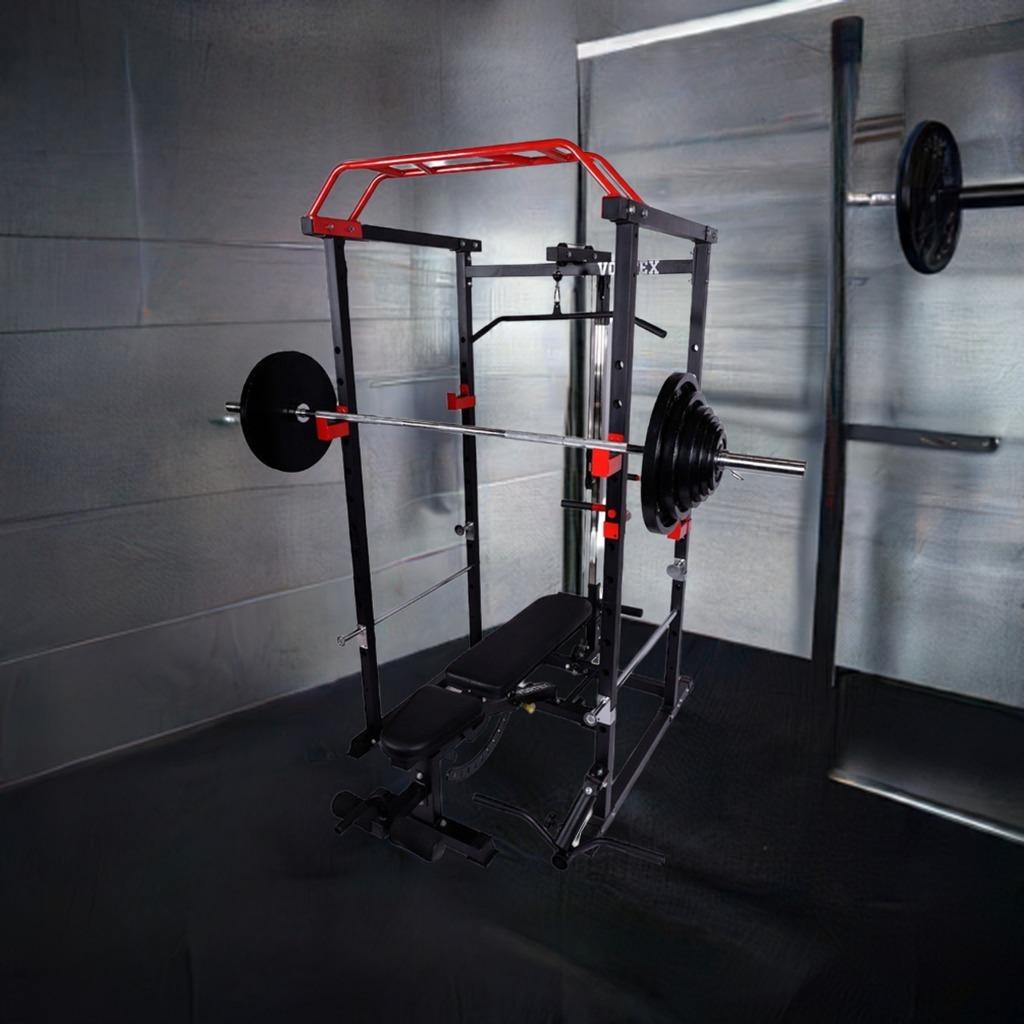
A bench and squat rack with weights and a bar combines the functionality of a weight bench and squat rack, complete with a barbell and weights. This setup is perfect for performing squats, bench presses, deadlifts, and overhead presses. Typically designed for home gyms, these racks offer an efficient way to engage in full-body strength training without needing multiple pieces of equipment.
Key Components of the Setup:
Squat Rack: Supports you while performing squats, overhead presses, and other barbell exercises. It provides adjustable height settings for safety and convenience.
Weight Bench: Ideal for bench presses, dumbbell exercises, and incline work. A solid, adjustable bench is key for flexibility in your workouts.
Barbell and Weights: Used for various lifting exercises, barbells and weights are integral to building muscle and strength. The set typically includes the barbell, weight plates, and collars for a secure fit.
Key Benefits of Using a Bench and Squat Rack with Weights and Bar
1. Full-Body Strength Training:
The bench and squat rack with weights and bar enables a comprehensive full-body workout. Using just one piece of equipment, you can target all major muscle groups—legs, back, chest, arms, and shoulders. The ability to perform squats, deadlifts, bench presses, and overhead presses is invaluable for any strength training routine.
2. Space-Saving Design:
This all-in-one setup is an excellent choice for those with limited space. Rather than investing in separate equipment for squats, bench presses, and other exercises, a combined setup saves space and allows for more flexibility in your home gym design.
3. Safety Features:
A well-built squat rack with a bench bar and weights ensure safety during heavy lifts. Many models come with adjustable safety bars that catch the barbell in case of failure. Additionally, features like padded benches provide extra comfort and stability while lifting.
4. Cost-Effective:
Investing in a combined setup is more cost effective than purchasing separate equipment. For those serious about strength training, a quality weight bench with a squat rack and bar is an excellent investment, offering great value over time.
5. Versatility for All Levels:
Whether you’re a beginner or an advanced lifter, the bench and squat rack with a bar can be adjusted to suit your skill level. Start with light weights and progress to heavier lifts as you build strength and confidence. This adaptability suits people at any stage of their fitness journey.
Essential Features to Look for When Buying a Bench and Squat Rack with Weights and Bar
1. Adjustability:
Look for a squat and bench rack with a bar and weights that allow you to adjust the height of both the squat rack and the weight bench. This feature ensures the equipment is tailored to your needs, whether squatting, bench pressing, or performing other exercises.
2. Build Quality & Material:
The best racks are made of high-quality steel for durability and stability. Ensure that the frame is solid enough to handle the weight you plan to lift. A sturdy, non-slip base is also essential to keep the equipment stable.
3. Weight Capacity:
Check the weight limit of both the squat rack and the bench. Ensure it’s compatible with your lifting capacity, especially as you progress with your strength training.
4. Safety Features:
A squat rack with built-in safety bars is crucial for preventing accidents during heavy lifts. Some models also offer additional features like adjustable catchers and anti-slip rubber feet to keep the equipment steady.
5. Comfort:
The weight bench should have enough padding to ensure comfort during bench presses and other exercises. Look for a model with an adjustable backrest to switch between flat, incline, or decline positions based on your workout routine.
6. Pull-Up Bar:
Some weight benches with squat racks and pull-up bars come with attached pull-up bars. This additional feature is perfect for those looking to add variety to their workouts.
Step-by-Step Guide to Setting Up Your Bench and Squat Rack
Setting up your bench and squat rack with weights and bar at home is straightforward. Here’s a simple step-by-step guide to help you get started:
Step 1: Choose the Right Location
Select a space with enough room to move freely around the rack. Ideally, you’ll need a minimum of 6-8 feet in length and 4-5 feet in width. Ensure the area is clear of obstructions and provides enough headroom for overhead lifts.
Step 2: Assemble the Rack
Follow the manufacturer’s instructions carefully to assemble the squat rack and bench. Ensure each component, especially the bolts and safety pins, is tightly secured to prevent accidents.
Step 3: Adjust the Rack and Bench Heights
Once assembled, adjust the squat rack and weight bench to your preferred height. Ensure that the safety bars are positioned at a level where they can catch the barbell in case of failure.
Step 4: Set Up the Weights
Attach the weight plates securely to the barbell, ensuring they are evenly distributed on both sides. Check the collars to ensure they’re tightly fastened to prevent the weights from sliding off during use.
Step 5: Test the Setup
Before beginning your workout, test the setup with lighter weights to ensure everything is stable. Perform squats or bench presses to check if the rack feels secure.
Common Exercises You Can Do with a Bench and Squat Rack
The bench and squat rack with weights and bar offers unmatched versatility for strength training. Here are some common exercises you can perform:
1. Squats:
The squat rack is designed to help you safely perform squats, which target the legs and lower body. Adjust the rack to your preferred height and load the barbell with weights. Start with lighter weights and increase the load as you build strength.
2. Bench Press:
The bench press is a classic chest exercise that works the pectorals, shoulders, and triceps. Adjust the weight bench to a flat or incline position and use the squat rack to rack and unrack the barbell safely.
3. Overhead Press:
This exercise targets your shoulders and upper arms. Stand in the squat rack, adjust the barbell to shoulder height, and press it overhead while keeping your core tight.
4. Deadlifts:
Although deadlifts are typically performed without a rack, you can still use the squat rack to load the barbell to a comfortable starting position, especially for heavier lifts.
5. Pull-Ups:
If your bench and squat rack has a pull-up bar, you can add pull-ups to your routine. This bodyweight exercise strengthens the back, shoulders, and arms.
Frequently Asked Questions (FAQs)
1. What is the best squat rack for home use?
Look for a squat rack that is sturdy, adjustable, and has safety features. Popular options include compact models with safety pins or racks with integrated pull-up bars.
2. Can I use a bench and squat rack for different exercises?
Yes! The bench and squat rack with weights and bar can be used for various exercises like squats, bench presses, overhead presses, deadlifts, and pull-ups, offering full-body training options.
3. Are bench and squat racks easy to assemble?
Most models come with detailed instructions for assembly. If you're handy, it should take 1-2 hours. However, consider asking a friend for help if you're unsure.
4. How much space do I need for a bench and squat rack?
You’ll need about 6-8 feet of length and 4-5 feet of width to ensure enough space for squats, bench presses, and movement around the equipment.
5. Is it safe to use a squat rack without a spotter?
Yes, many squat racks come with safety bars that catch the barbell if you fail during a lift, making it safe for solo workouts.
Conclusion & Call to Action
A bench and squat rack with weights and a bar is a must-have equipment for anyone serious about strength training. Its versatility, space-saving design, and safety features make it the perfect addition to your home gym. Ready to take your fitness to the next level? Check Hamilton Home Fitness for top-quality workout equipment, and start building your dream gym today!