Introduction
Recovering from a knee injury can feel like a slow process, especially when trying to strengthen your legs without putting too much strain on your knees. Traditional squats, for instance, can put a lot of pressure on the knee joint, which isn't ideal when you're in rehab.
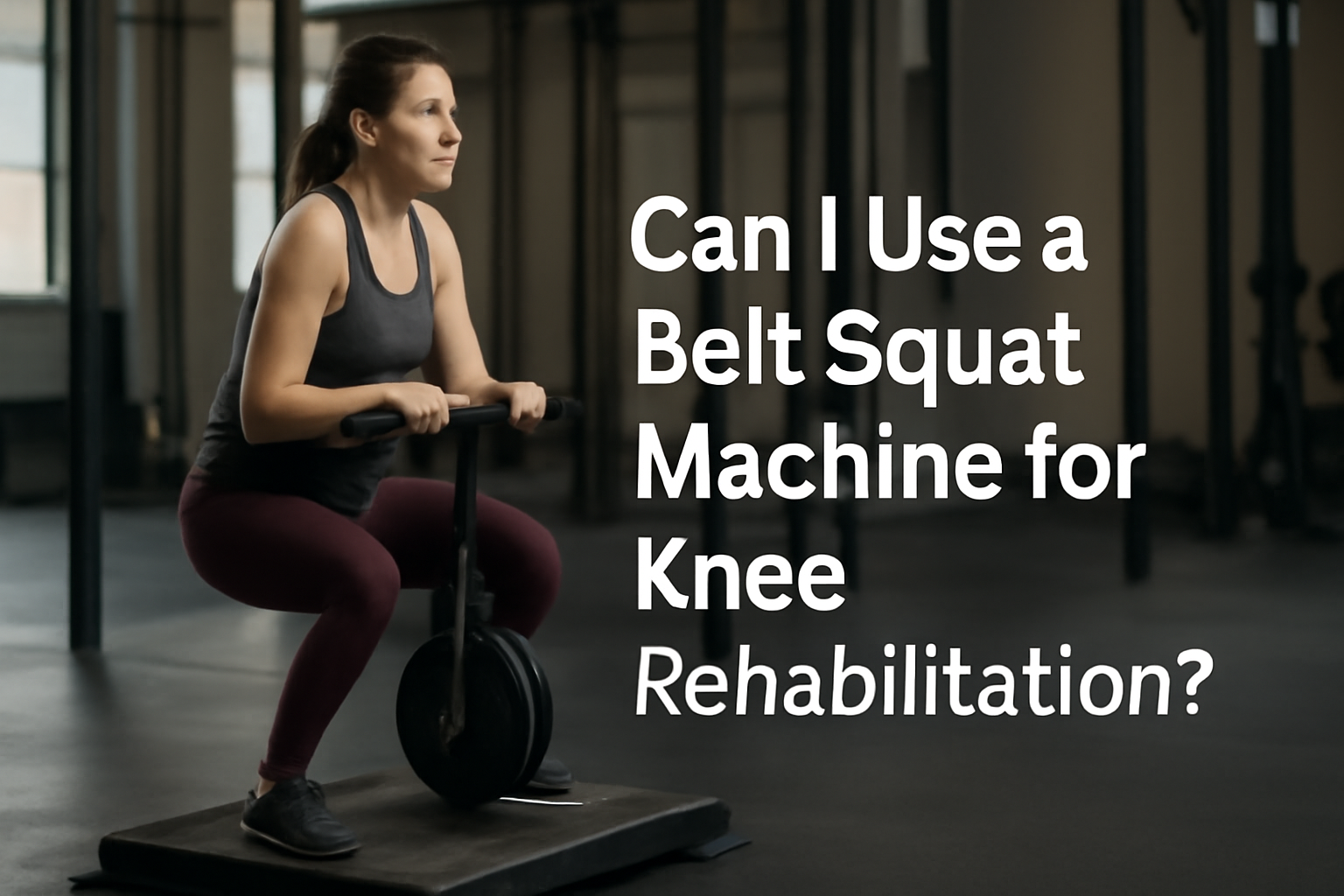
This is where the belt squat machine can help. Unlike regular squats, the belt squat machine focuses on your hips and core, reducing knee stress. The machine's design allows you to perform deep squats while minimizing any strain on your injured knee, making it a safer and more effective choice for rehabilitation.
This guide explores how the belt squat machine works, why it's effective for knee rehab, and how to use it properly to aid recovery. You'll also get expert insights on the best practices to ensure you use the machine safely and effectively. By the end, you'll have all the information you need to confidently add this tool to your rehab routine and build strength without risking further injury.
What is a Belt Squat Machine?
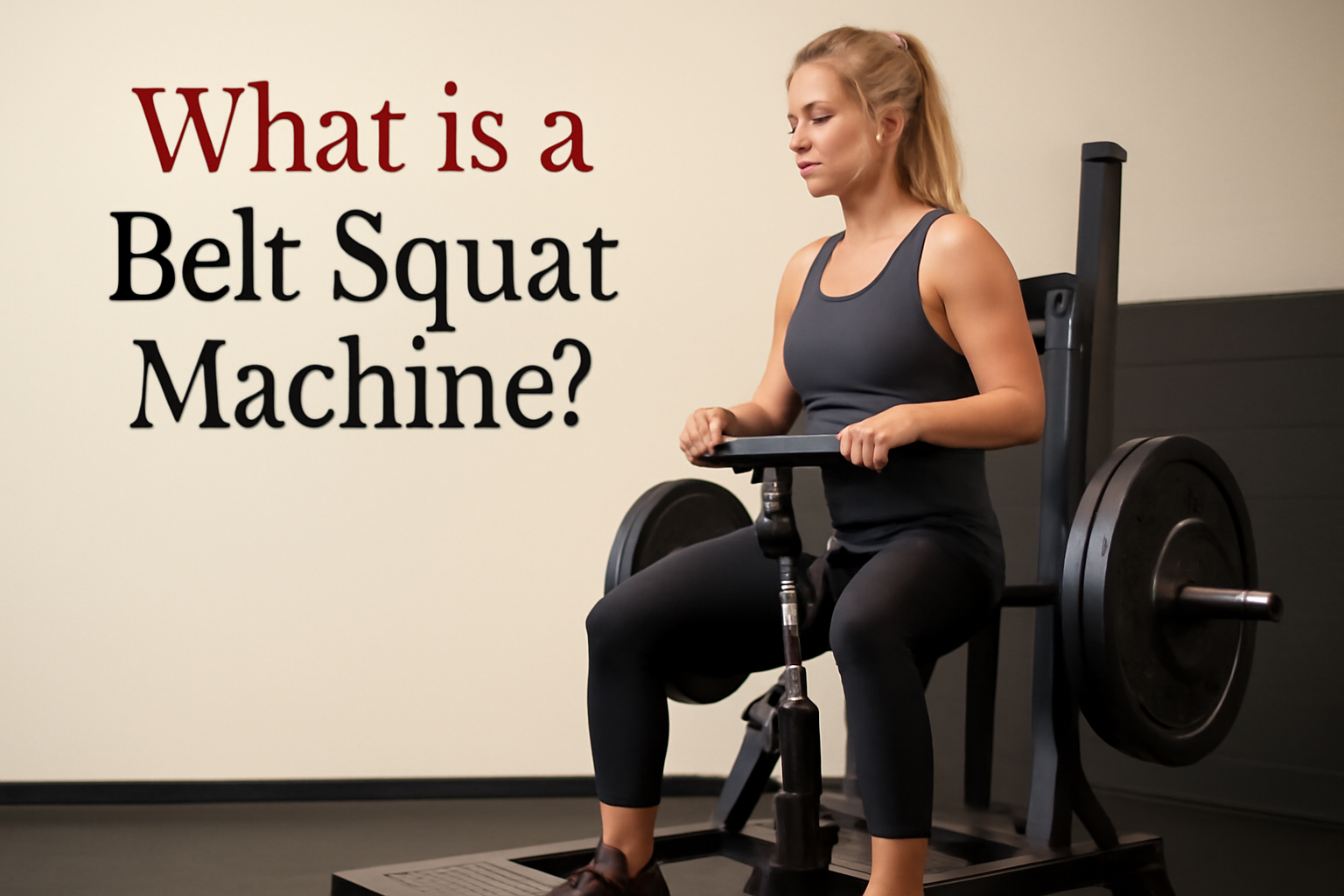
A belt squat machine lets you squat without putting pressure on your knees. It uses a harness around your waist to hold the weight, unlike regular squats. This takes the load off your knees and puts it on your hips and legs instead.
The machine has a platform for you to stand on. There's also a belt that attaches to a weight system. As you squat, the weight pulls down your hips, working your legs, glutes, and core.
The belt squat machine is excellent for people with knee injuries. It helps them strengthen their legs while protecting their knees. Athletes and fitness lovers also use it to build leg muscles without the risk of injury.
This machine is a safer way to squat, especially if you are recovering from knee surgery or injury. It gives your knees a break while still giving your legs a great workout.
Benefits of Using a Belt Squat Machine for Knee Rehabilitation
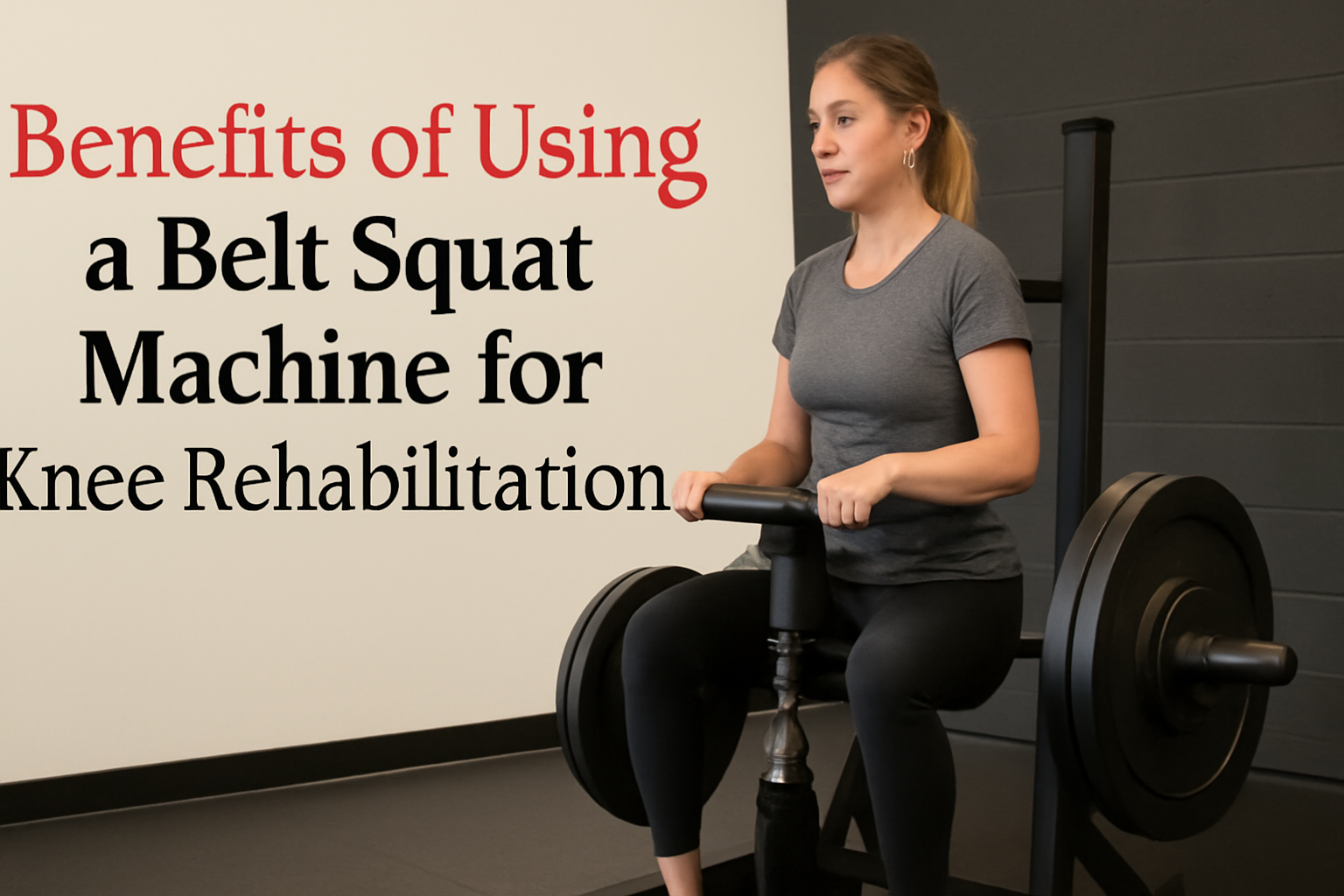
If you're recovering from a knee injury, you want to find exercises that help rebuild strength without putting extra stress on your knee. The belt squat machine is one of the best tools for this. Here's why:
Low Impact on Knees
- Traditional squats can strain your knees, especially when you have an injury. The belt squat machine shifts the weight to your hips and core, so your knees don't bear the load. This makes it a great, low-impact alternative.
Targets Key Muscles Without Overloading the Knee Joint
- The belt squat machine effectively works your glutes, quads, and hamstrings, helping you strengthen your legs. Because it doesn't place pressure on your knees, you can do the workout without risking further injury.
Improves Strength and Mobility
- The machine helps you regain strength in your lower body while keeping the knee joint stable. Regular use can improve strength and mobility, which are crucial in recovery. It's beneficial for building muscle while working around knee pain.
Reduces Risk of Improper Form
- One of the challenges with traditional squats is maintaining good form, especially if your knee is injured. The belt squat machine is designed to keep you in the correct position, reducing the risk of improper form and helping prevent further injury.
Helps Build Leg Power for Daily Activities
- As you recover, you need your legs to be strong for daily activities like walking, climbing stairs, or standing. The belt squat machine builds that strength in a controlled, low-impact way, helping you return to your routine faster.
How to Use a Belt Squat Machine for Knee Rehabilitation
Using the belt squat machine properly ensures a safe and effective workout, especially when recovering from a knee injury. Follow these simple steps to get the most out of your session:
Set Up the Machine
- Start by adjusting the harness so it fits comfortably around your waist. Ensure the weight is set to a challenging level but not too heavy. Start the light to avoid straining your knee.
Position Yourself on the Platform
- Stand on the platform with your feet shoulder-width apart. Make sure your knees are slightly bent. Your posture should be straight, and your chest should remain up.
Get Into the Squat Position
- Once you're in position, slowly lower your body by bending at the hips and knees. Keep your back straight, and avoid letting your knees push past your toes. Go as low as you can comfortably manage without feeling knee pain.
Use Controlled Movements
- Push through your heels to stand back up, straightening your legs. Control the movement when lowering and raising your body. This will help prevent any sudden pressure on your knee.
Focus on Form, Not Weight
- Since you're in rehab, maintaining proper form is more important than adding heavyweight. Focus on a full range of motion and control over your movements. Over time, you can gradually increase the weight as your strength improves.
Avoid Overloading Your Knee
- Never go too low or use more weight than you can handle. Remember, the goal is to strengthen your legs without putting unnecessary strain on your knee. Pay attention to how your knee feels during the exercise, and stop if you experience discomfort.
Other Machines and Exercises for Knee Rehabilitation
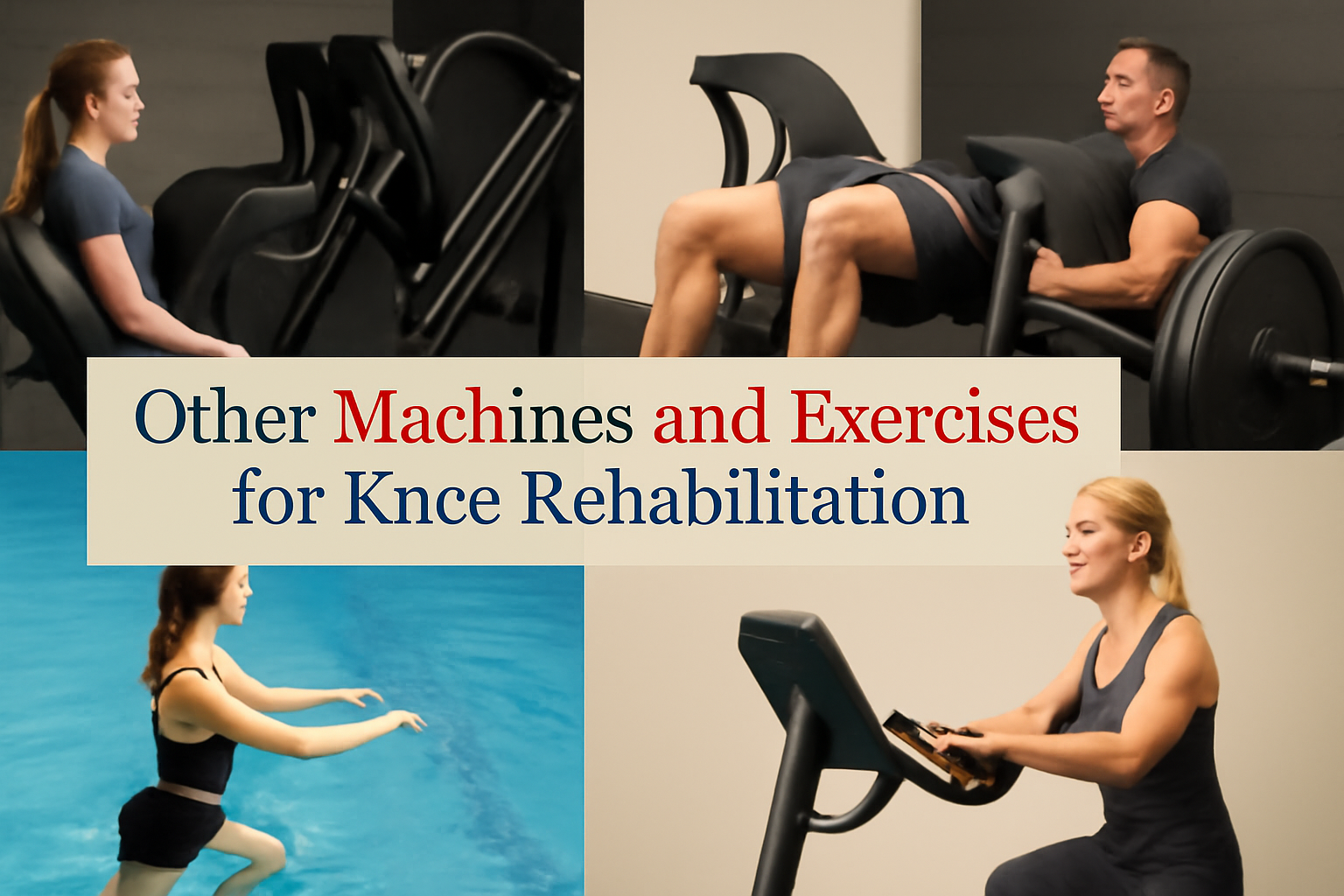
While the belt squat machine is a great tool, it's not the only option for knee rehab. Mixing in other safe, low-impact exercises can help you recover faster and build balanced strength.
1. Leg Press Machine
The leg press lets you push weight with your legs while your back stays supported, helping reduce strain on your knees. Use a lightweight, and don't lock your knees at the top of the movement. It's a good way to work your quads and glutes without too much pressure.
2. Hip Thrust Machine
This machine targets your glutes and hamstrings. It builds strength in the muscles that support your knees and improves hip stability, which is key to proper knee movement during walking, running, or squatting.
3. Resistance Bands
Simple tools like resistance bands can help improve knee stability. They can be used for side steps, leg lifts, and hip abductions. These exercises are low-impact and easy to do at home or in the gym.
4. Swimming or Water Exercises
If you have access to a pool, water workouts are great. The water supports your weight, reducing impact on the joints. You can do leg kicks, walking laps, or gentle squats underwater.
5. Stationary Bike or Elliptical
These machines are often used in physical therapy. They help you keep your legs moving without stress. Start slow and focus on a range of motion before increasing resistance or speed.
Is the Belt Squat Machine Suitable for Everyone?
The belt squat machine can help many people, but it's not for everyone. It's important to know who can benefit from it and who should be careful.
Who Should Use It?
People Recovering from Knee Injuries
- If you're recovering from knee surgery or an injury, the belt squat machine can help. It strengthens your legs without stressing your knees.
Athletes
- Athletes use the belt squat machine to build leg strength. It helps them stay strong without hurting their knees. This is important for sports like running, basketball, or football.
Beginners or Newcomers to Squats
- If you're new to squats, the belt squat machine can make it easier. It helps you learn the movement while reducing stress on your knees.
Who Should Avoid It?
People with Severe Knee Injuries
- If you have a serious knee injury, the belt squat machine might not be the best choice. Always check with your doctor or therapist first.
People with Limited Mobility
- The machine might be complex if you have trouble moving your legs or hips. If you can't position yourself correctly, you could feel discomfort.
People New to Exercise
- If you've never exercised before, starting with easier exercises is best. Start with gentle moves like swimming or biking before using weights.
Key Factors to Consider Before Using a Belt Squat Machine
Before you hop onto the belt squat machine, there are a few things to keep in mind. These factors will help you use the machine safely and effectively, especially if you're recovering from a knee injury.
1. Adjustability
Make sure the machine is adjustable to your body size. The harness should fit comfortably around your waist without pinching or feeling too loose. If it's too tight, it could cause discomfort, and if it's too loose, you might not get the right support.
2. Weight Capacity
Check the machine's weight capacity. If you're new to using the belt squat machine, start with light weights to avoid putting too much pressure on your knee. As you get stronger, you can gradually increase the weight.
3. Proper Form and Posture
Good form is key when using the machine. Keep your back straight and your chest up. Your knees should stay in line with your toes as you squat. Never let your knees push past your toes. This will help you avoid injury and get the most out of your workout.
4. Space Availability
Ensure you have enough space to use the machine safely. Some models are bulkier than others. If you're using it at home or in a small gym, ensure the machine fits comfortably in the space.
5. Frequency and Progression
Start with a lower frequency and gradually increase it. Your body needs time to adapt, especially if you're recovering from an injury. Be patient and progress at your own pace. Always listen to your body and stop if you feel pain.
Frequently Asked Questions (FAQ)
Here are answers to some of the most common questions about using the belt squat machine for knee rehabilitation:
1. What is a belt squat machine used for?
The belt squat machine performs squats while reducing stress on your knees. It targets your hips, glutes, quads, and hamstrings, making it ideal for strengthening your legs without putting too much pressure on your knee joint.
2. How does a belt squat machine improve leg strength?
The belt squat machine allows you to squat with the weight focused on your hips and lower body muscles. This strengthens your legs, especially your quads and glutes, without straining your knees. It's a great way to build muscle in your lower body while avoiding knee pain.
3. Is the belt squat machine suitable for building glutes?
Yes! The belt squat machine is excellent for building glutes. The deep squat motion targets the glutes, along with the quads and hamstrings, making it a great exercise for anyone looking to strengthen their lower body and build muscle in the glutes.
4. Can I use a belt squat machine for knee rehabilitation?
Yes, the belt squat machine is ideal for knee rehabilitation. It reduces stress on your knees by shifting the load to your hips and core, helping you strengthen your legs without further damaging your knee joint. Physical therapists commonly use it to aid in knee recovery.
5. How much weight can a belt squat machine hold?
The weight capacity of a belt squat machine varies by model. Some machines can handle up to 500 pounds or more, while others are designed for lighter weight. Always check the machine's weight limit and start with a manageable weight that suits your strength level and rehabilitation needs.
Final Thoughts
In summary, the belt squat machine can be an excellent tool for those recovering from knee injuries. It offers a low-impact way to strengthen your legs and glutes, allowing you to rebuild strength without putting unnecessary strain on your knees. Whether you're just starting your recovery or looking to enhance your lower body strength, this machine can make a significant difference.
Now that you know how to use it safely, it's time to take action. If you want to add a belt squat machine to your fitness routine, check out Hamilton Home Fitness for high-quality, durable machines suitable for home and commercial use. We're committed to providing fitness solutions that help you reach your goals safely and effectively.
We'd love to hear your thoughts! Comment below to share your experience or ask any questions. Don't forget to share this guide with anyone who might find it helpful. Feel free to explore our range of fitness products at Hamilton Home Fitness to find the perfect equipment for your rehab or fitness journey.