Introduction
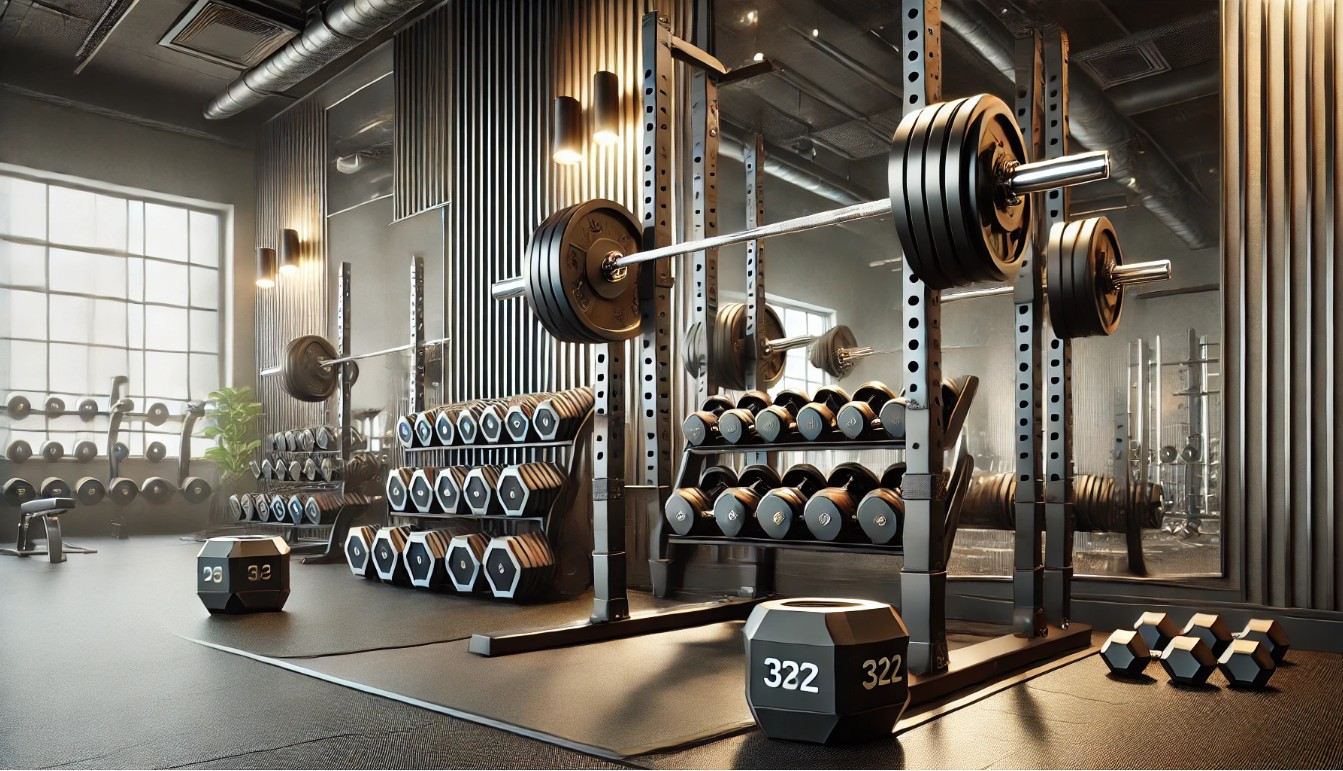
Are you looking to build strength, improve muscle tone, or set up a home gym? Investing in a barbell and dumbbell set can be one of the best decisions for your fitness journey. Whether you're a beginner or a seasoned lifter, understanding the differences, benefits, and purchasing considerations can make a significant impact on your workouts.
With the fitness equipment market flooded with choices, it can be overwhelming to select the right barbell and dumbbell set for your needs. In this comprehensive guide, we'll break down everything you need to know, from how to choose the best set to expert tips on maximizing your workouts.
Why Invest in a Barbell and Dumbbell Set?
Barbells and dumbbells are fundamental to resistance training, offering versatility and efficiency in strength-building exercises. Here are some compelling reasons to invest in a set:
- Versatility: Perform a wide range of exercises targeting every muscle group.
- Progressive Overload: Easily increase weights to challenge muscles and enhance strength gains.
- Convenience: Train from the comfort of your home without relying on gym availability.
- Cost-effectiveness: A one-time investment that can last years with proper care.
Choosing the Right Barbell and Dumbbell Set
1. Understanding Different Types of Barbells
Barbells come in various shapes and sizes, each designed for specific workout needs. Here are the most common types:
Standard Barbells
- Typically 5 to 6 feet long, standard barbells are ideal for home gyms.
- They have 1-inch diameter sleeves and support weight plates with a standard hole size.
- Suitable for beginners and casual lifters.
Olympic Barbells
- Used in professional weightlifting and powerlifting.
- 7 feet long with 2-inch diameter sleeves to hold Olympic plates.
- Can support higher weight loads (up to 1500 lbs).
- Essential for compound movements like squats, deadlifts, and bench presses.
EZ Curl Barbells
- Designed with a curved grip to reduce wrist strain.
- Best for isolation exercises such as bicep curls and triceps extensions.
- Typically shorter than standard barbells (3-4 feet long).
2. Types of Dumbbells
Dumbbells are available in multiple styles, each catering to different training preferences:
Fixed Dumbbells
- Pre-set weight and commonly found in commercial gyms.
- Durable and convenient for quick workouts.
Adjustable Dumbbells
- Allow you to modify weight by adding or removing plates.
- Ideal for home gyms to save space and cost.
- Available in spin-lock or dial-adjustable mechanisms.
Selectorized Dumbbells
- Quick and easy weight adjustments via a dial system.
- Best for progressive strength training and high-intensity workouts.
How to Use Barbell and Dumbbell Sets for Maximum Gains
1. Essential Barbell Exercises
Squats
- Engage quads, hamstrings, glutes, and core.
- Maintain proper posture with feet shoulder-width apart and back straight.
Deadlifts
- Work the posterior chain (lower back, glutes, hamstrings).
- Keep the barbell close to your body for optimal form.
Bench Press
- Targets chest, triceps, and shoulders.
- Use a spotter for heavy lifts to prevent injuries.
2. Must-Do Dumbbell Exercises
Dumbbell Shoulder Press
- Enhances shoulder and triceps strength.
- Keep elbows at a 90-degree angle for controlled motion.
Dumbbell Lunges
Improve lower body strength and balance.
Step forward and lower until both knees form 90-degree angles.
Bicep Curls
Isolate the biceps for arm development.
Avoid using momentum for better muscle engagement.
Buying Guide: How to Choose the Best Barbell and Dumbbell Set
Factors to Consider Before Buying
1. Weight Capacity & Load Bearing
Choose a set that accommodates your current and future strength levels.
2. Material & Durability
- Cast iron and rubber-coated dumbbells last longer and provide a better grip.
3. Adjustability & Space Consideration
- Adjustable sets save space and offer flexibility in workouts.
4. Grip Comfort & Knurling
Opt for a knurled grip on barbells to prevent slipping.
5. Budget & Brand Reputation
Invest in reputable brands known for durability and quality.
Best Places to Buy Barbell and Dumbbell Sets
- Online Retailers: Amazon, Rogue Fitness, Titan Fitness, and Bowflex.
- Local Sporting Goods Stores: Dick’s Sporting Goods, Walmart, Decathlon.
- Second-hand Markets: Facebook Marketplace, Craigslist, eBay (for budget-friendly options).
Research & Sources
When selecting barbell and dumbbell sets, it’s essential to rely on credible research and expert insights:
- American Council on Exercise (ACE) studies show that free weights improve muscular activation better than machines.
- The National Strength and Conditioning Association (NSCA) recommends progressive overload training for optimal muscle growth.
- Harvard Health highlights the importance of strength training in reducing injury risk and improving bone density.
FAQ
1. What is the ideal weight range for beginners?
Beginners should start with dumbbells between 5-20 lbs and a barbell with 35-45 lbs.
2. Are adjustable dumbbells worth it?
Yes! Adjustable dumbbells save space and offer cost-effective versatility.
3. Should I buy a barbell or dumbbells first?
Dumbbells are better for beginners, while barbells help with heavier compound lifts.
4. How do I maintain my weights?
Keep weights clean, store them properly, and avoid dropping them unnecessarily.
5. Can I build muscle with just dumbbells?
Absolutely! Progressive overload and proper form are key to muscle growth, even with dumbbells.
Conclusion
Investing in a barbell and dumbbell set is an excellent step toward achieving your fitness goals. By understanding the different types, usage techniques, and purchasing factors, you can make an informed decision that best suits your workout needs. Whether for home or gym use, these strength-training tools offer unmatched versatility, efficiency, and long-term benefits.
If you’re ready to upgrade your fitness journey, start exploring the best barbell and dumbbell sets today. What’s your go-to strength training equipment? Let us know in the comments!
? Take action today: Check out the best barbell and dumbbell sets on Hamilton Home Fitness and transform your fitness routine!