Introduction
Choosing the right apartment gym equipment is not just about adding a few machines to a clubhouse. Property managers, developers, HOA boards, and multifamily asset managers need a fitness amenity that fits the available space, serves different resident needs, stays durable under shared use, and supports the property’s budget.
A well-planned resident fitness center should balance cardio, strength equipment, flooring, layout, delivery, installation, and long-term maintenance. This guide will help you understand what belongs in an apartment or multifamily gym package, how to plan the space, and when it makes sense to request equipment and design support from Hamilton Home Fitness.
Apartment Gym Equipment Package Basics
An apartment gym equipment package should include the core pieces residents expect to use every day: cardio machines, strength equipment, free weights, benches, stretching space, durable flooring, storage, and a safe room layout. For multifamily communities, buying equipment as a package is usually more practical than choosing random machines one at a time.
A package-based approach helps property teams plan the fitness room as one complete amenity. It also makes it easier to match the equipment mix to the room size, resident traffic, budget, delivery path, and long-term maintenance needs.
What a Complete Package Should Include
A complete apartment gym package should cover cardio, strength, flexibility, flooring, storage, and safe room flow. Most resident fitness centers need a balanced mix of equipment that works for beginners, regular exercisers, seniors, and busy residents who want a quick workout close to home.
A practical package may include:
- Treadmills, ellipticals, upright bikes, or recumbent bikes
- Dumbbells, kettlebells, and an adjustable bench
- A functional trainer or cable machine for strength variety
- Resistance bands, medicine balls, foam rollers, and stretching mats
- Rubber flooring or rolled rubber to help protect the room
- Storage racks to keep accessories organized
- Mirrors, lighting, ventilation, and cleaning supplies
- Enough spacing for safe movement between cardio, strength, and stretching zones
Property teams can start by reviewing available fitness categories through Shop Quality Fitness Gear and Equipment - Hamilton Home Fitness when planning a complete equipment package.
Who Uses the Fitness Center
Apartment fitness centers need to serve more than one type of resident. A young professional may want a treadmill and dumbbells for a quick morning workout. A senior resident may prefer a recumbent bike or low-impact elliptical. A beginner may need simple, easy-to-use machines, while a weekend exerciser may want functional training, mats, and free weights.
This is why apartment fitness center equipment should be selected around real resident use, not only around what looks impressive in the room. The best package is one that feels approachable, durable, and useful for the widest group of residents.
Why Packages Beat Single-Machine Buying
Packages help property managers and developers avoid common planning mistakes. When equipment is selected one machine at a time, the final room can feel unbalanced. It may have too much cardio, not enough strength equipment, poor storage, weak flooring, or awkward traffic flow.
A package makes it easier to plan the full resident experience. It connects equipment choice with layout, installation, spacing, floor protection, and long-term service needs. For multifamily buyers, this can also simplify the quote process because the project is planned around the whole fitness amenity instead of isolated product purchases.
Choose Cardio for Shared Resident Use
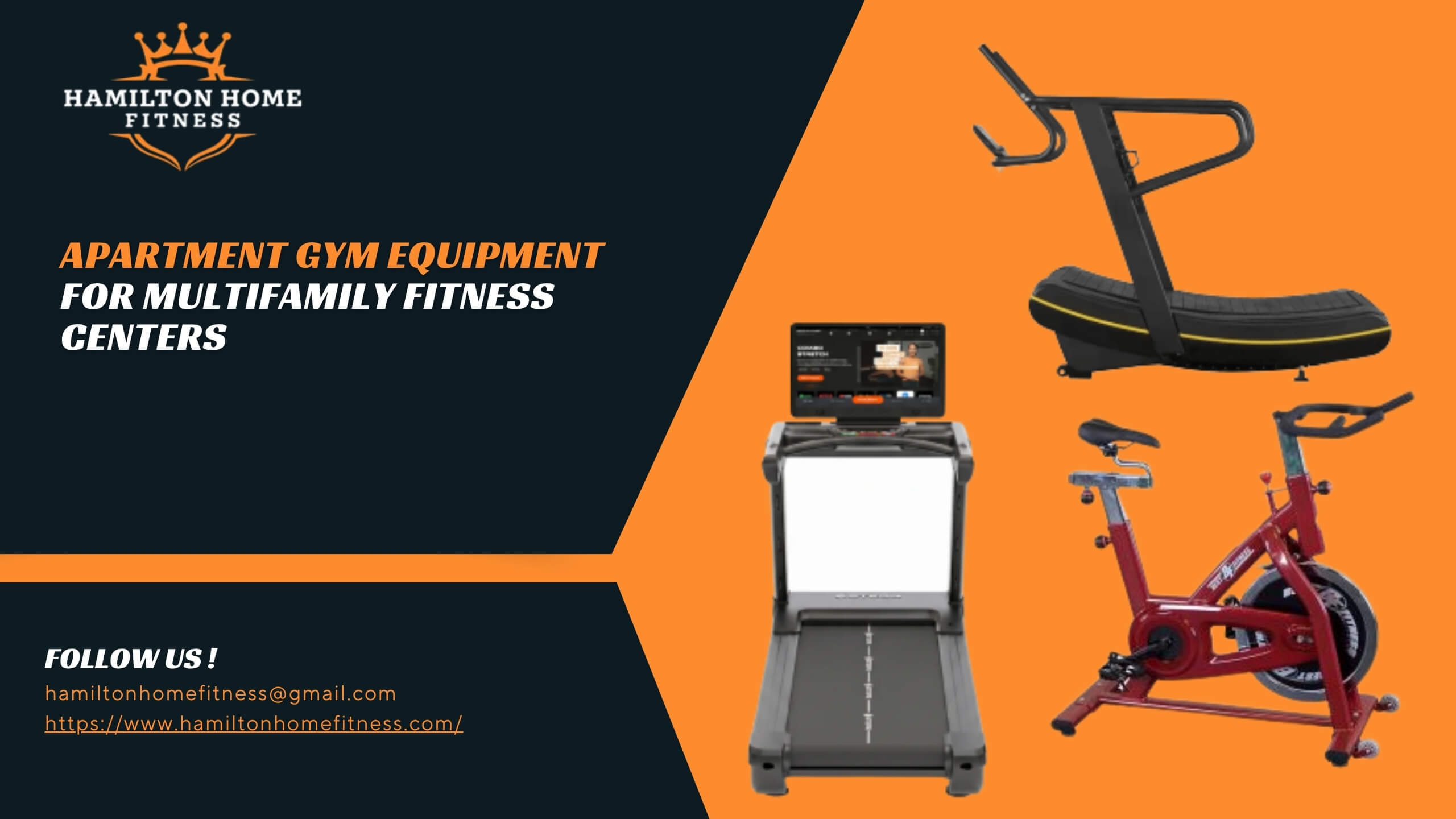
The best cardio mix for most apartment gyms includes treadmills, ellipticals, upright bikes, recumbent bikes, and sometimes a rower or stair climber when space allows. Cardio is usually the first area residents notice, so the machines should be familiar, durable, easy to use, and appropriate for shared daily traffic.
For property managers and developers, the goal is not to fill the room with as many machines as possible. The goal is to choose apartment cardio equipment that supports different fitness levels, reduces maintenance issues, and fits the available layout.
Treadmills, Bikes, and Ellipticals
Treadmills, bikes, and ellipticals are usually the core cardio machines because residents already know how to use them. They also support different workout styles, from walking and low-impact movement to longer endurance sessions.
A practical apartment fitness center may include one or more of the following:
- Treadmills for walking, jogging, and general cardio
- Ellipticals for low-impact full-body movement
- Upright bikes for compact cardio training
- Recumbent bikes for added comfort and senior-friendly access
- Rowers for small gyms that need a full-body cardio option
When choosing cardio for a shared resident gym, look at space, noise, user capacity, console simplicity, and maintenance needs. Property teams can Choose the best commercial cardio equipment by comparing options that match the room size and resident use pattern.
Low-Impact Cardio for Broad Access
Low-impact cardio options such as ellipticals, recumbent bikes, and rowers can make a resident gym more approachable for different ability levels. This matters in apartment communities because the fitness center may be used by young professionals, retirees, beginners, active residents, and people returning to exercise after time away.
A recumbent bike may be useful for residents who want seated support. An elliptical may appeal to users who want cardio without the same joint impact as running. A rower can add full-body training in a relatively compact footprint.
Including low-impact cardio helps the gym feel more inclusive and practical. It also prevents the fitness room from becoming useful only for residents who prefer high-intensity treadmill workouts.
Commercial Cardio vs Home Cardio
Apartment fitness centers often need commercial or light-commercial cardio because the machines may be used by many residents throughout the day. Home cardio equipment may work well for one household, but multifamily fitness equipment must handle shared use, different user sizes, longer operating hours, and more frequent cleaning.
For resident fitness centers, commercial-grade cardio may be a better fit when the property expects regular traffic, wants stronger frames, needs better warranty support, or wants machines designed for facility-style use. Property teams planning shared-use cardio can review Commercial Cardio Equipment Fitness Facilities. when comparing options for apartments, condos, HOAs, and residential community gyms.
A simple rule: if the machine will be used by many residents, choose equipment based on shared-use durability, not only upfront price.
Build a Strength Area That Fits the Space
Most apartment gyms should include a compact strength area with dumbbells, benches, a functional trainer or cable machine, and simple accessories. Strength equipment helps residents do more than cardio, but it must be planned carefully so the room does not feel crowded, unsafe, or difficult to maintain.
For multifamily properties, the best strength setup is usually flexible, space-efficient, and easy for different residents to understand. A small number of well-chosen pieces can often serve more people than several bulky machines with limited use.
Functional Trainers and Cable Machines
A functional trainer or cable machine is useful for apartments because one footprint can support many exercises. Residents can use it for rows, presses, pulldowns, core work, arm training, and lower-body movements without needing several separate machines.
This makes cable-based equipment a strong option for apartment fitness center equipment, condo gym equipment, and HOA fitness center equipment where space is limited. It can also help the room feel more complete for residents who want strength training without needing a full commercial gym layout.
For shared-use fitness rooms, property teams should consider equipment with a durable frame, smooth cable movement, simple adjustments, clear user access, and enough open space around the machine. When planning facility-grade strength options, Commercial Gym Equipment for Facilities & Gyms can help support the equipment selection process.
Dumbbells, Benches, and Storage
Dumbbells, an adjustable bench, and proper storage give residents flexible strength training without requiring a large footprint. This setup works well in small apartment gyms, clubhouse fitness rooms, condo fitness rooms, and larger multifamily amenity centers.
A practical free-weight area may include:
- Dumbbells in a manageable weight range
- One or two adjustable benches
- Kettlebells for compact strength training
- Medicine balls for functional movement
- Resistance bands for beginner-friendly exercises
- A storage rack or wall storage system
- Mats for stretching, core work, and floor exercises
Storage matters because loose equipment can create clutter, trip risks, and a poor resident experience. A clean strength zone makes the room easier to use, easier to inspect, and easier for the maintenance team to manage.
When choosing free weights, benches, and other strength equipment for a shared amenity space, property teams can choose the best commercial gym equipment based on room size, resident needs, durability, and long-term use.
What to Avoid in Small Rooms
In small apartment gyms, avoid equipment that blocks walkways, creates unnecessary noise, or serves only a narrow group of residents. A crowded strength area can make the entire fitness center feel uncomfortable, even if the equipment itself is high quality.
Common mistakes include adding too many single-use machines, placing benches too close to cardio equipment, skipping storage, ignoring wall protection, or choosing heavy-impact equipment without the right flooring. Property teams should also avoid layouts that make residents walk through active workout zones to reach another part of the room.
A better approach is to choose compact strength machines, organized free weights, safe spacing, and durable flooring that supports daily resident use. The goal is not to build the biggest strength area possible; it is to create a strength zone that feels useful, safe, and easy to maintain.
Plan Flooring, Layout, and Traffic Flow
A good apartment gym layout separates cardio, strength, stretching, and storage while protecting floors, reducing noise, and keeping walkways clear. The room should feel easy to enter, easy to move through, and simple for residents to use without confusion.
For multifamily fitness centers, layout planning should happen before equipment is purchased. Even strong equipment can create problems if the machines are too close together, the delivery path is too narrow, the flooring is not suited for impact, or residents have to cross active workout zones to reach another area.
Space Planning Before Equipment Selection
Property teams should measure the room, doors, ceilings, power access, and delivery path before selecting equipment. This helps prevent common issues such as ordering machines that do not fit through the entryway, crowding the room, or placing cardio equipment too far from available outlets.
Before finalizing an apartment fitness center equipment package, review:
- Total room size and usable floor area
- Doorway clearance and delivery path
- Ceiling height for strength equipment
- Electrical outlets and circuit capacity
- Window placement and natural light
- Ventilation and airflow
- Wall space for mirrors or storage
- Open space for stretching and functional movement
- Safe spacing between machines
A compact layout can still work well when each zone has a clear purpose. For example, cardio machines may sit along one wall, strength equipment may anchor another zone, and mats or stretching accessories may stay in an open corner with storage nearby.
Flooring for Noise and Protection
Rubber flooring is usually the practical choice for apartment gyms because it helps protect floors, reduce impact noise, and support daily use. Flooring should be planned around the type of equipment in each zone, not treated as a final decoration.
Rolled rubber flooring may work well for larger areas where a clean, continuous surface is preferred. Rubber tiles can be useful when the property wants easier section-by-section replacement. Thicker rubber mats or acoustic underlayment may be worth considering under free-weight areas, functional zones, or equipment that creates more vibration.
The right flooring can help protect the building, reduce noise transfer, and make the fitness center feel more finished. It also supports safer movement by giving residents a stable surface for strength training, stretching, and general exercise.
Resident Traffic Flow and Safe Spacing
Safe spacing helps residents move between cardio, strength, and stretching areas without crowding or trip hazards. Each zone should have enough room for residents to use equipment, step on and off machines, adjust benches, lift weights, and return accessories without blocking another user.
A strong layout should consider:
- Clear walking paths from the entrance
- Enough space behind treadmills and cardio machines
- Open room around benches and cable machines
- Separate stretching space away from heavy traffic
- Storage that keeps accessories off the floor
- ADA-conscious pathways where practical
- Signage for safe use and cleaning expectations
Traffic flow matters because apartment gyms serve many residents with different comfort levels. A beginner should be able to understand where to go, how to move through the room, and where to return equipment. A well-planned layout makes the fitness amenity easier to use, easier to clean, and easier for the property team to manage over time.
Match Packages to Property Size and Budget
Apartment gym equipment cost depends on room size, equipment grade, cardio count, strength setup, flooring, delivery, installation, and maintenance needs. Instead of starting with a random product list, property teams should first decide what level of fitness amenity fits the community.
A small condo gym, a mid-size apartment fitness center, and a premium multifamily amenity space will not need the same equipment package. The right choice should match resident traffic, available space, budget, and the role the fitness center plays in the overall leasing experience.
Small Apartment Gym Package
A small apartment gym package should focus on a few high-use cardio pieces, compact strength equipment, flooring, and storage. This type of package works well for smaller apartment communities, condo fitness rooms, HOA spaces, and clubhouse gyms with limited square footage.
A practical small package may include:
- 1–2 cardio machines, such as a treadmill, bike, or elliptical
- A compact dumbbell set with storage
- An adjustable bench
- Resistance bands or medicine balls
- Stretching mats or foam rollers
- Rubber flooring or protective mats
- A mirror and basic cleaning station
For small rooms, every piece of equipment should earn its place. Compact treadmills, recumbent bikes, adjustable benches, and wall storage can help the gym feel useful without overcrowding the space.
Mid-Size Multifamily Package
A mid-size multifamily gym package should balance several cardio choices with a stronger free-weight and functional-training area. This package type is often a good fit for apartment communities that want a more complete resident fitness amenity without building a large commercial gym.
A balanced mid-size package may include:
Package Area | Equipment to Consider | Why It Matters |
Cardio | Treadmills, ellipticals, bikes, rower | Supports different workout preferences |
Strength | Functional trainer or cable machine | Adds exercise variety in one footprint |
Free Weights | Dumbbells, kettlebells, benches | Gives residents flexible strength options |
Mobility | Mats, foam rollers, bands | Supports stretching and beginner-friendly use |
Room Support | Rubber flooring, mirrors, storage | Improves safety, organization, and durability |
This package level should also consider resident traffic flow, outlet placement, delivery access, and future service needs. Property teams comparing equipment for a full resident fitness room can review Commercial Gym Equipment for Facilities & Gyms when planning a more complete multifamily setup.
Premium Resident Fitness Package
A premium resident fitness package may include more cardio variety, selectorized or cable strength, upgraded flooring, mirrors, lighting, storage, and functional training space. This type of package is often useful for luxury apartments, larger multifamily developments, lease-up communities, or properties upgrading an outdated amenity center.
A premium package may include:
- Multiple treadmills and ellipticals
- Upright and recumbent bikes
- A rower or stair climber if space allows
- Functional trainer or cable machine
- Expanded dumbbell area
- Adjustable benches and kettlebells
- Dedicated stretching and mobility zone
- Rolled rubber flooring or upgraded rubber tiles
- Mirrors, LED lighting, wall storage, and signage
- Delivery, assembly, testing, and installation planning
The goal of a premium package is not only to add more equipment. It is to create a modern fitness room that feels organized, durable, and valuable to residents. For properties using fitness amenities as part of their leasing and resident experience strategy, a design consultation can help match the equipment mix to the space, audience, and budget before the purchase is finalized.
Handle Delivery, Installation, and Upgrades
Apartment gym installation can usually happen in an existing clubhouse or amenity room when the space, access path, flooring, power, and equipment footprints are planned before delivery. This step matters because even the right equipment can create problems if it cannot be moved into the room, assembled safely, or placed with enough clearance for resident use.
For multifamily communities, delivery and installation should be treated as part of the equipment package. Property teams need to think through freight access, doorway clearance, room protection, assembly, testing, and final placement before the project begins.
Existing Clubhouse Installation
An existing clubhouse can often become a fitness center when the room has enough space, safe access, proper flooring, and suitable electrical support. Before adding apartment fitness center equipment, the property team should confirm that the room can support the equipment mix and daily resident traffic.
Important checks include:
- Doorway and hallway clearance
- Elevator access, stairs, or ramp access
- Ceiling height for strength equipment
- Electrical outlet placement for cardio machines
- Flooring condition and impact protection
- Ventilation and lighting
- Safe spacing between machines
- Room access for installation crews
- Cleaning station and signage placement
A clubhouse fitness layout should also separate cardio, strength, stretching, and storage zones so the space feels organized from the first day of use. If the room is being outfitted as a full shared-use facility, property teams can review Commercial Gym Equipment for Facilities & Gyms while planning equipment that fits resident traffic and long-term use.
Upgrade or Replacement Projects
An apartment gym upgrade should start by identifying worn equipment, usage gaps, layout issues, and resident needs before replacing machines. Older equipment may still take up valuable space even if residents rarely use it, so replacement planning should focus on what improves the amenity most.
Common reasons to upgrade include:
- Outdated treadmills, ellipticals, or bikes
- Strength equipment with limited exercise variety
- Poor flooring or visible room wear
- Crowded layouts with unsafe spacing
- Missing storage for dumbbells and accessories
- Equipment that is difficult to maintain
- Resident complaints about noise, comfort, or usability
- A clubhouse renovation or lease-up amenity refresh
A smart upgrade does not always mean buying more equipment. Sometimes the better choice is replacing bulky machines with compact strength equipment, improving flooring, adding storage, or reworking the layout so residents can use the room more comfortably.
Delivery Path and Final Setup
Delivery and setup planning should cover freight access, staging space, assembly needs, packaging removal, testing, and safe final placement. These details help prevent delays and protect the property during installation.
Before delivery, property teams should confirm where equipment will enter the building, where it will be staged, and whether floors, walls, elevators, or door frames need protection. After assembly, each machine should be placed according to the planned layout, checked for stability, tested for basic function, and positioned with enough clearance for safe resident use.
Final setup should leave the room clean, organized, and ready for residents. That includes returning accessories to storage, checking walkways, confirming cardio power access, placing mats or flooring correctly, and making sure the fitness center feels like a complete resident amenity rather than a storage room with machines.
Maintain Equipment for Long-Term Use
Property managers should maintain apartment gym equipment with daily cleaning, regular visual checks, scheduled preventive service, and fast repair response when machines show wear. A resident fitness center is a shared-use space, so small issues can quickly affect safety, resident satisfaction, and the overall impression of the amenity.
Maintenance should be part of the equipment plan from the beginning. Durable machines, organized storage, clear signage, and easy-to-clean surfaces can help the fitness room stay functional longer and reduce avoidable service problems.
Daily and Weekly Maintenance Tasks
Daily and weekly maintenance should focus on cleaning high-touch surfaces, checking visible wear, keeping storage organized, and removing trip hazards. These simple habits help residents feel more comfortable using the fitness center and make it easier for staff to spot problems early.
A practical maintenance routine may include:
- Wiping down cardio handles, screens, seats, and touchpoints
- Refilling sanitation wipes or cleaning supplies
- Checking treadmills, ellipticals, bikes, and rowers for visible wear
- Inspecting cables, pulleys, benches, and upholstery
- Returning dumbbells, kettlebells, bands, and mats to storage
- Removing loose items from walkways
- Checking mirrors, lighting, signage, and ventilation
- Logging resident-reported issues for follow-up
The goal is not to turn property staff into repair technicians. The goal is to keep the room clean, organized, and monitored so small problems do not become larger equipment or resident-experience issues.
Preventive Service Planning
Preventive service helps reduce downtime by checking belts, decks, cables, bolts, lubrication, and moving parts before failures interrupt resident use. This is especially important for high-use apartment treadmills, ellipticals, bikes, and cable machines.
A preventive maintenance plan may include:
- Treadmill belt and deck inspections
- Belt tension and alignment checks
- Lubrication where required by the equipment
- Elliptical and bike resistance checks
- Cable inspection on functional trainers and cable machines
- Bolt tightening and frame stability checks
- Upholstery inspection on benches and pads
- Review of unusual noise, vibration, or resistance issues
Service frequency depends on usage level, equipment type, manufacturer guidance, and visible wear. A small condo fitness room with light use may need a different schedule than a high-traffic multifamily fitness center. The safest approach is to follow manufacturer recommendations and schedule professional service when staff notice performance changes, damage, or resident complaints.
Maintenance-Friendly Equipment Choices
Maintenance-friendly equipment is durable, easy to clean, simple for residents to use, and suited to the expected traffic level. Choosing the right equipment at the start can reduce frustration for property managers and help residents feel more confident using the gym.
For shared apartment fitness centers, look for:
- Commercial-grade or light-commercial frames where appropriate
- Simple consoles and clear controls
- Durable upholstery and easy-clean surfaces
- Stable benches and racks
- Strength equipment with smooth adjustments
- Storage that keeps accessories off the floor
- Equipment that matches the room’s expected daily usage
- Warranty terms that fit shared-use environments
Avoid choosing equipment based only on the lowest upfront price. A machine that is not suited for shared resident use may require more attention, create more downtime, or fail to meet resident expectations. A stronger package should balance durability, ease of use, maintenance needs, and long-term value for the property.
Why Fitness Amenities Support Leasing Appeal
Apartment gyms can support resident satisfaction and leasing appeal when they are easy to use, well maintained, appropriately equipped, and aligned with the property’s audience. A fitness amenity does not need to be oversized to feel valuable. It needs to be practical, clean, accessible, and useful for the people who live in the community.
For property managers, developers, and HOA boards, the value of a resident gym often comes from convenience. Residents may appreciate having cardio, strength, and stretching options close to home without needing to drive to a separate fitness facility. When the space is planned well, it can become part of the community’s everyday lifestyle offering.
Resident Satisfaction and Retention
A useful fitness amenity gives residents a convenient way to exercise without leaving the property. This can help support the overall resident experience, especially when the gym includes equipment for different fitness levels, schedules, and comfort needs.
A resident who wants a quick treadmill walk, a beginner who prefers a recumbent bike, and someone who wants dumbbells or a cable machine should all be able to use the room without confusion. That level of usability matters more than simply adding expensive equipment.
A strong resident fitness amenity should feel:
- Easy to access
- Clean and organized
- Safe to move through
- Comfortable for beginners
- Useful for cardio and strength training
- Maintained often enough to avoid long equipment downtime
- Matched to the property’s resident profile
When residents can actually use the fitness center with confidence, the amenity becomes more than a marketing feature. It becomes part of the property’s daily value.
Amenity Competitiveness
A well-planned gym can help a property feel more complete when prospective residents compare amenities. In competitive apartment, condo, and multifamily markets, fitness amenities may support the overall impression of the community, especially when the room looks modern, organized, and easy to use.
This does not mean every property needs a luxury fitness center. A smaller community may need a compact, efficient setup with a treadmill, bike, dumbbells, bench, mats, and durable flooring. A larger multifamily development may need a broader package with more cardio variety, functional strength equipment, upgraded flooring, mirrors, lighting, and storage.
The key is matching the fitness amenity to the property’s position. A budget-conscious apartment community, premium resident gym, HOA fitness room, and luxury apartment amenity center may all need different equipment packages.
For properties planning a fitness amenity upgrade, Hamilton Home Fitness gives teams a place to review equipment options and start thinking through a more complete package. Property teams can Shop Quality Fitness Gear and Equipment - Hamilton Home Fitness when comparing cardio, strength, and fitness gear for resident-use spaces.
A strong next step is to Upgrade Your Fitness Amenity by reviewing the current room, identifying equipment gaps, and requesting an apartment gym package that fits the space, residents, and long-term maintenance plan.
People Also Ask
What equipment should an apartment gym have?
An apartment gym should have a balanced mix of cardio, strength, mobility, flooring, and storage. A practical setup may include treadmills, ellipticals, upright or recumbent bikes, dumbbells, an adjustable bench, a functional trainer or cable machine, stretching mats, resistance bands, rubber flooring, mirrors, and cleaning supplies.
The right equipment mix depends on the room size, resident traffic, budget, and the type of residents using the space. A small clubhouse gym may only need a few high-use pieces, while a larger multifamily fitness center may need multiple cardio machines, a stronger free-weight area, and a dedicated stretching zone.
How much does apartment gym equipment cost?
Apartment gym equipment cost depends on the size of the space, equipment grade, number of cardio machines, strength setup, flooring, delivery, installation, and maintenance needs. A simple condo or HOA fitness room will usually require a different budget than a large luxury apartment amenity center.
Property teams should avoid planning cost around equipment alone. Flooring, assembly, delivery access, electrical needs, storage, and long-term service planning can all affect the final project budget.
What cardio machines are best for multifamily gyms?
The best cardio machines for multifamily gyms are usually treadmills, ellipticals, upright bikes, recumbent bikes, and rowers. These options are familiar, easy for residents to understand, and useful for different fitness levels.
Treadmills are strong for walking and jogging. Ellipticals support low-impact movement. Recumbent bikes may be helpful for seniors or residents who prefer seated cardio. Rowers can add full-body training in a compact footprint when space allows.
Do apartment gyms need strength machines?
Yes, most apartment gyms should include some type of strength equipment. Cardio alone may not serve residents who want resistance training, functional movement, or full-body workouts.
A compact strength area may include dumbbells, an adjustable bench, kettlebells, resistance bands, and a functional trainer or cable machine. These options help provide variety without overcrowding the room.
How much space is needed for a resident fitness center?
The space needed for a resident fitness center depends on the number of machines, equipment footprints, safe spacing, walkways, resident traffic, and the size of the property. A small apartment gym can work in a compact clubhouse room if the equipment is chosen carefully.
Before buying equipment, property teams should measure the room, doorways, ceiling height, outlet locations, and delivery path. The layout should leave enough space for cardio access, bench movement, stretching, storage, and safe resident flow.
What flooring is best for apartment gyms?
Rubber flooring is usually the most practical option for apartment gyms because it helps protect floors, reduce impact, and support daily shared use. Rolled rubber, rubber tiles, and thicker rubber mats may all work depending on the room and equipment layout.
Free-weight and functional training areas may need more impact protection than cardio zones. Flooring should be planned early so the room can support noise control, floor protection, and resident safety.
Can equipment be installed in an existing clubhouse?
Yes, equipment can often be installed in an existing clubhouse if the room has enough space, safe access, proper flooring, suitable electrical support, and a clear delivery path. Many apartment communities, condos, and HOAs can turn underused clubhouse space into a resident fitness center.
Before installation, the property team should check doorway clearance, hallway access, elevator or stair access, ceiling height, outlet placement, floor condition, and machine spacing.
How do property managers maintain gym equipment?
Property managers can maintain gym equipment with daily cleaning, regular inspections, organized storage, and scheduled preventive service. Shared-use fitness centers should be checked often because multiple residents may use the same machines every day.
A practical routine includes wiping high-touch surfaces, refilling sanitation supplies, checking cables and upholstery, inspecting cardio machines for unusual noise or wear, keeping accessories off the floor, and logging repair needs quickly.
What is usually in an apartment gym?
An apartment gym usually includes cardio machines, basic strength equipment, free weights, benches, mats, mirrors, storage, and cleaning supplies. Common cardio options include treadmills, ellipticals, upright bikes, recumbent bikes, and sometimes rowers.
Many apartment fitness centers also include dumbbells, kettlebells, resistance bands, medicine balls, and a cable machine or functional trainer. The best mix depends on the property size and resident needs.
Are apartment gyms worth it for residents?
Apartment gyms can be worth it for residents when they are clean, convenient, safe, and useful for different fitness levels. A well-planned gym gives residents a way to exercise without leaving the property.
The value depends on the quality of the layout, equipment mix, maintenance, and accessibility. A small but well-organized gym may feel more useful than a larger room with outdated, crowded, or poorly maintained equipment.
How do you design a small apartment gym?
To design a small apartment gym, start with the room size, resident needs, and safe traffic flow. Choose compact cardio, multi-use strength equipment, wall or rack storage, rubber flooring, and a clear stretching area.
Avoid overcrowding the room with too many single-use machines. A small gym works best when every piece has a clear purpose and residents can move safely between cardio, strength, and mobility zones.
What equipment is best for a condo gym?
The best condo gym equipment is compact, durable, quiet, easy to use, and suitable for shared resident access. Good options include a treadmill, elliptical, recumbent bike, adjustable bench, dumbbells, resistance bands, mats, and a functional trainer if space allows.
Condo gyms often need equipment that serves a wide range of ages and fitness levels. Low-impact cardio, organized storage, and simple strength options can make the room more practical for daily use.
What makes a good multifamily fitness center?
A good multifamily fitness center has the right equipment mix, clear layout, safe spacing, durable flooring, organized storage, and a maintenance plan. It should feel approachable for beginners while still giving active residents enough variety.
The strongest resident gyms are planned around real use. That means cardio for general fitness, strength equipment for resistance training, mats for stretching, and a layout that supports smooth traffic flow.
How do apartments choose gym equipment?
Apartments should choose gym equipment based on resident demographics, room size, budget, expected traffic, durability, maintenance needs, delivery access, and long-term amenity goals. The equipment should fit the property, not just look good in a catalog.
A useful decision rule is to start with the residents and the room. Then choose cardio, strength, flooring, and storage that match the available space and the level of use the fitness center is expected to receive.
What are the best amenities for apartment communities?
The best apartment amenities are the ones residents actually use and value. Fitness centers, outdoor spaces, package rooms, coworking areas, pet amenities, community lounges, and wellness-focused spaces can all support the resident experience.
A fitness center can be a strong amenity when it is clean, convenient, well-equipped, and easy to maintain. For many communities, it works best as part of a broader lifestyle and wellness amenity strategy.
How often should apartment gym equipment be serviced?
Apartment gym equipment should be serviced based on usage level, equipment type, manufacturer guidance, and visible wear. High-traffic multifamily gyms may need more frequent preventive maintenance than small condo or HOA fitness rooms.
Property teams should inspect equipment regularly and schedule service when machines show noise, resistance issues, belt problems, cable wear, loose parts, or upholstery damage. Preventive maintenance can help reduce downtime and keep the fitness center safer and more reliable for residents.
Final Thought
The best apartment gym equipment package is not the biggest or most expensive option. It is the package that fits your property’s space, resident needs, budget, installation requirements, and long-term maintenance plan.
For property managers, developers, HOA boards, and multifamily asset managers, a successful fitness amenity starts with smart planning. Cardio, strength equipment, flooring, layout, storage, delivery, and service needs should work together as one complete resident experience.
Hamilton Home Fitness can help property teams think beyond single-machine purchases and plan a more practical equipment package for apartments, condos, HOAs, and residential community fitness centers. If your current gym feels outdated, underused, crowded, or incomplete, the next step is to Request an Apartment Gym Package or Book a Multifamily Gym Design Consultation to find equipment that fits your space and supports your residents.