Both options have their pros and cons, and the decision comes down to your specific fitness goals, available space, budget, and convenience. This blog post will dive into the core differences between adjustable vs. fixed dumbbells, helping you determine which is the better fit for your workout regimen. By the end, you’ll have a clearer understanding of the benefits and drawbacks of each, as well as actionable tips for choosing the right one for your needs.
Why the Dumbbell Choice Matters
Before diving into the specifics of adjustable and fixed dumbbells, it’s important to understand why this decision matters. According to a 2021 study by the National Institutes of Health (NIH), weight training can significantly improve muscular strength, bone density, and overall physical health. Dumbbells, in particular, are favored for their ability to engage stabilizing muscles, promote joint health, and increase functional strength.
However, the way you train—whether you use adjustable or fixed dumbbells—can make a difference in how effective your workout is and how well it fits your lifestyle. Let’s break down the key differences between adjustable and fixed dumbbells to help you make a more informed decision.
Adjustable Dumbbells vs. Fixed Dumbbells: Key Differences
1. Design and Functionality
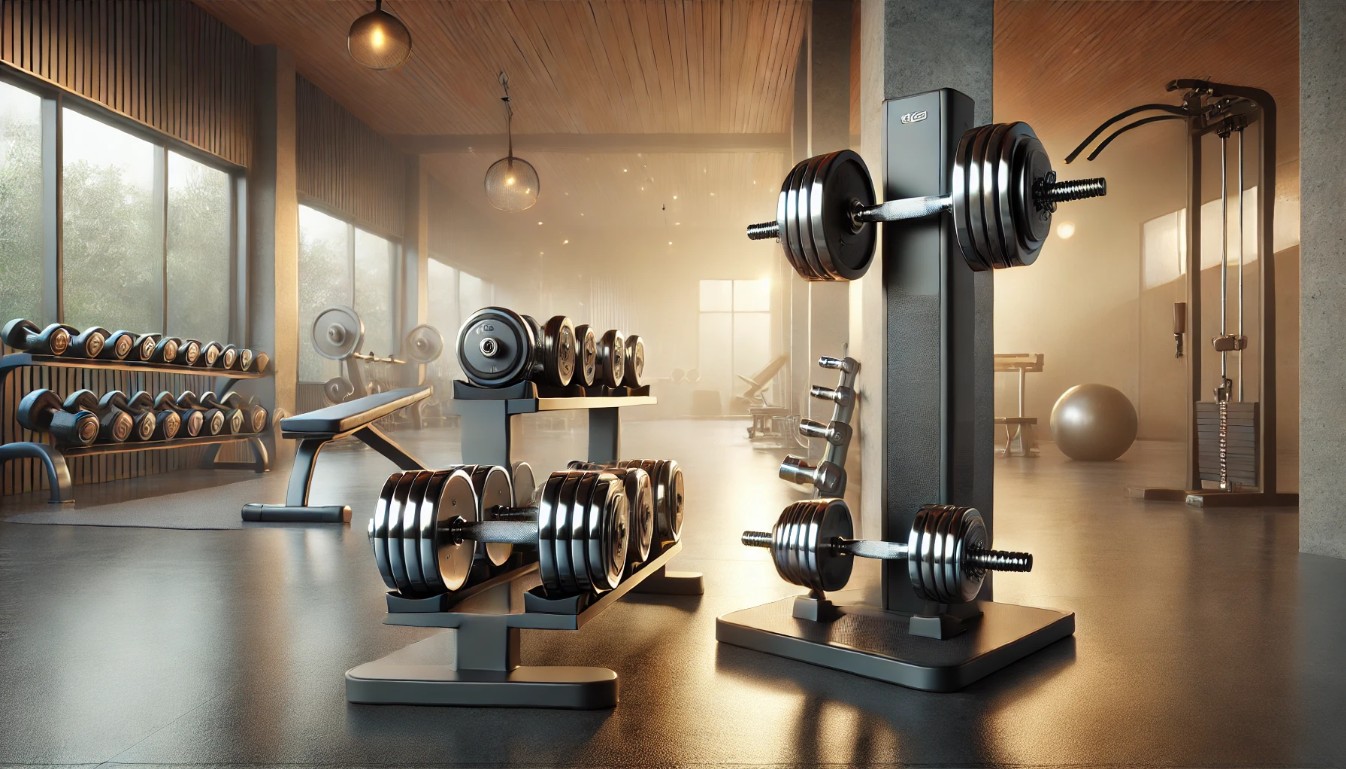
Adjustable Dumbbells are designed to allow you to change the weight by adding or removing plates. This system can be managed manually or through a mechanical dial, depending on the brand. Brands like Bowflex, PowerBlock, and NordicTrack are popular for their adjustable dumbbells. Typically, these dumbbells offer a range of weights, from as low as 5 pounds to as high as 100 pounds or more, depending on the model.
Fixed Dumbbells, on the other hand, are sold in specific weight increments, such as 5, 10, 15, 20, or 50 pounds. They are solid, one-piece units, where the weight is non-adjustable. Fixed dumbbells are typically seen in gyms and fitness studios but are also available for home use.
2. Space and Storage Considerations
If you’re working out at home, space is a key consideration. Adjustable dumbbells are compact and can replace a full set of fixed dumbbells, which could take up a lot of space. For example, a set of adjustable dumbbells with weights ranging from 5 to 50 pounds could easily fit in a small corner of your room.
In contrast, fixed dumbbells require a significant amount of storage space, especially if you plan to have a variety of weights. A home gym would need dedicated shelving or a rack to hold multiple pairs of fixed dumbbells.
3. Cost Considerations
Adjustable dumbbells are often more expensive upfront due to their versatile design and range of weights. However, they are a more cost-effective solution in the long run since you won’t need to purchase an entire set of fixed dumbbells. For example, a single adjustable dumbbell that ranges from 5 to 50 pounds could cost anywhere from $200 to $500, depending on the brand and build quality.
On the other hand, fixed dumbbells can be more affordable on a per-weight basis. But if you want to build a complete set, the costs can add up quickly. A full set of fixed dumbbells with weights ranging from 5 to 50 pounds can easily cost over $1,000, especially when considering the cost of storage racks.
Pros and Cons of Adjustable Dumbbells
Pros of Adjustable Dumbbells:
- Space-Saving: As mentioned, adjustable dumbbells can replace multiple pairs of fixed dumbbells, making them ideal for home gyms with limited space.
- Versatility: Adjustable dumbbells offer a wide range of weight options, allowing you to easily increase or decrease the weight as needed. This flexibility is ideal for progressive overload training, where gradually increasing the load is essential for muscle growth.
- Cost-Effective Over Time: While the initial investment is higher, adjustable dumbbells are more economical in the long run, as they replace the need for multiple dumbbell pairs.
Cons of Adjustable Dumbbells:
- Adjustment Time: Switching between weights can take time, which might be inconvenient for some users, particularly those doing high-intensity interval training (HIIT) or circuit training.
- Durability: Some adjustable dumbbells, particularly lower-end models, may wear out over time, leading to issues with the weight-locking mechanism.
- Size: Adjustable dumbbells tend to be larger and bulkier than fixed dumbbells, which can be uncomfortable for some exercises, particularly those involving finer grip control.
Pros and Cons of Fixed Dumbbells
Pros of Fixed Dumbbells:
- Convenience: Fixed dumbbells are ready to use, with no need for adjustments between sets. This is ideal for workouts where you need to switch weights quickly.
- Durability: Fixed dumbbells are often more durable than adjustable models, as they don’t rely on locking mechanisms that can wear down over time.
- Compact Size: Fixed dumbbells are typically smaller and more ergonomic, making them easier to handle, especially for exercises like curls and presses.
Cons of Fixed Dumbbells:
- Space Requirements: If you want a full set of fixed dumbbells, they require a lot of space. For a home gym, this can become a significant issue.
- Higher Long-Term Costs: While each individual pair of fixed dumbbells is relatively inexpensive, you need to buy a full set for various weights, which can get expensive. Over time, it may be more costly than investing in adjustable dumbbells.
Which One Is Right for You?
Deciding between adjustable vs. fixed dumbbells depends on several factors:
1. Your Training Routine
- If you’re someone who primarily performs strength training or bodybuilding with progressive overload, adjustable dumbbells may be more suitable.
- If your workout involves a lot of high-intensity circuits or you prefer not to take time adjusting weights between sets, fixed dumbbells might be a better fit.
2. Available Space
- Adjustable dumbbells are a great choice if space is limited, as they can replace multiple sets of dumbbells.
- Fixed dumbbells are better suited to larger workout spaces with dedicated storage racks.
3. Budget
- If you’re looking for a cost-effective option in the long run, adjustable dumbbells will provide more value.
- If you don’t mind investing in individual weights over time, fixed dumbbells can be more affordable in the short term.
Research & Sources
To provide you with the most accurate and reliable information, we’ve consulted several trustworthy sources. According to a study published in the Journal of Strength and Conditioning Research, both adjustable and fixed dumbbells offer significant benefits for resistance training. The study found that the most important factors for muscle growth were consistent progressive overload and proper form, regardless of the type of dumbbell used.
Further, consumer reports from major fitness brands like Bowflex and PowerBlock highlight that adjustable dumbbells are popular for their space-saving design and ability to cater to users of various strength levels. However, durability and ease of use can vary by brand, and customer reviews often point to mechanical issues with cheaper models.
For those looking for a reliable place to purchase dumbbells, Hamilton Home Fitness offers a range of high-quality, durable dumbbells, including both adjustable and fixed varieties, designed to meet your fitness goals. You can explore their offerings at Hamilton Home Fitness.
Frequently Asked Questions (FAQ)
Q: Are adjustable dumbbells good for beginners?
A: Yes, adjustable dumbbells are an excellent choice for beginners. They offer a wide range of weights, allowing you to start light and gradually increase the load as your strength improves.
Q: Do fixed dumbbells last longer than adjustable ones?
A: In general, fixed dumbbells tend to have a longer lifespan because they don’t rely on mechanical parts. However, adjustable dumbbells from reputable brands can also be durable if maintained properly.
Q: Can I use adjustable dumbbells for all exercises?
A: Yes, adjustable dumbbells can be used for nearly every exercise you would perform with fixed dumbbells. However, some users find that their larger size may not be ideal for certain exercises, such as overhead presses.
Q: What is the ideal weight range for adjustable dumbbells?
A: It depends on your fitness goals. For beginners, a range of 5 to 50 pounds is typically sufficient. Advanced lifters might opt for models that go up to 100 pounds or more.
Conclusion
When choosing between adjustable vs. fixed dumbbells, it’s clear that both options offer distinct advantages depending on your needs. Adjustable dumbbells are the perfect choice for those with limited space, varying strength levels, or a desire to save money in the long run. On the other hand, fixed dumbbells provide convenience, durability, and a more traditional feel, making them ideal for those who prioritize ease of use and don't mind investing in a full set of weights.
Ultimately, the best choice depends on your workout goals, budget, and available space. Consider your specific needs and choose the option that will help you achieve the best results in your fitness journey. Ready to get started? Explore your options at Hamilton Home Fitness and choose the dumbbells that best suit your workout routine!