










Rubber Flooring





Commercial Gym Rubber Flooring for Every Training Zone
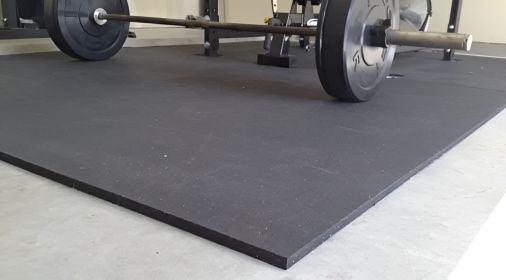
Commercial gym rubber flooring protects your subfloor, cuts noise, and gives lifters stable footing under heavy loads. Hamilton Home Fitness stocks rolls, interlocking tiles, puzzle mats, and heavy drop pads from trusted brands, so you can match the right format and thickness to each training zone and your budget.
The wrong floor shows itself fast. It curls at the edges, dents under a rack, and makes a serious room feel temporary. The right floor does the opposite: it holds equipment steady, softens dropped weights, and keeps a space usable for years. This collection is built around that difference, with real formats for real training rather than a single one-size surface.
Rolls, Tiles, or Mats: Pick Your Format
Start with format, because it decides installation, look, and how easily you can change your layout later. Rolls, interlocking tiles, and heavy mats each solve a different problem, and most gyms end up using more than one.
Rubber rolls give you broad, near-seamless coverage with fewer joins to trap dirt or sweat. The Vortex rubber rolls we carry come in 8 mm, 4-by-15-foot lengths across six specific colors, which suits cardio zones, general strength areas, and larger commercial floors that need a clean, continuous surface.
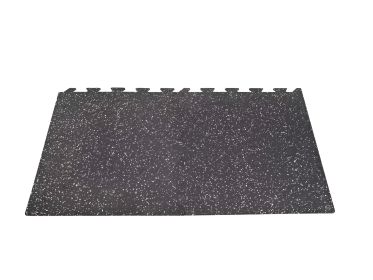
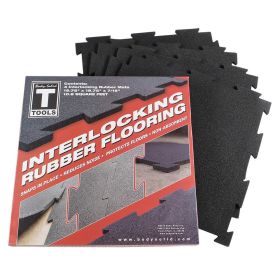
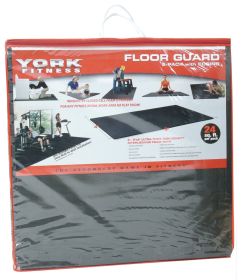
Interlocking tiles and puzzle mats click together with no adhesive, so they install fast and lift out just as easily. That makes them the practical pick for home gyms, oddly shaped rooms with columns or alcoves, and rented spaces where you may need to take the floor with you. Options here run from Body-Solid puzzle-mat packs to BodyKore's 2-by-2 interlocking tiles and York Floorguard tiles with edging.
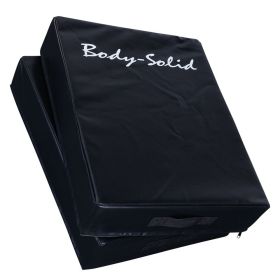
Heavy mats and crash pads handle spot protection under the harshest impact. A 4-by-6 mat at 3/4 inch thick shields concrete beneath a rack or platform, and Body-Solid Barbell Crash Pads take the shock of an Olympic bar on the drop.
Are rubber rolls or tiles better for a gym? Neither wins outright. Rolls are better for large, open, rectangular floors and a professional finish. Tiles are better for smaller rooms, DIY installs, rented spaces, and any zone where you want to replace one damaged section instead of the whole floor. Many facilities run rolls in cardio and fixed-equipment areas, then tiles or thick mats where heavy use wears flooring faster.
| Format | Best for | Installation | Flexibility |
|---|---|---|---|
| Rubber rolls (8mm Vortex) | Large open floors, cardio and general strength | Loose-lay, tape, or glue; heavier to handle | Seamless look, few seams to trap dirt |
| Interlocking tiles & puzzle mats | Home gyms, odd rooms, rented spaces | DIY click-together, no adhesive | Add, remove, or swap single tiles |
| Heavy mats & crash pads | Under racks, machines, and drop zones | Lay in place, no tools | Spot protection you can reposition |
Ready to floor a room? Browse the collection above, add rolls or tiles straight to your cart, and Vortex and Body-Solid flooring ships free.
How Thick Should Your Flooring Be?
Match thickness to your heaviest activity in each zone, not to the whole room at once. Thicker rubber absorbs more impact and guards your subfloor better, but you rarely need maximum thickness everywhere.
What thickness of rubber flooring is best for a gym? As a working guide, 6mm to 8mm covers cardio, stretching, and general fitness. Around 1/2 inch handles general strength work and light to moderate free weights. For heavier dumbbells and consistent subfloor protection, step up toward 3/4 inch and reserve the thickest mats and crash pads for platforms and drop zones where weights hit the ground.
That ladder maps onto what we stock. The 6mm BodyKore tiles and 8mm Vortex rolls suit multi-use and cardio areas. York Floorguard tiles come in at 12mm for a firmer general-training surface. The 3/4-inch 4-by-6 mats and dedicated crash pads take the abuse in lifting zones. Layering these lets you spend on protection only where the load demands it.
Install, Clean, and the Smell
Most rubber flooring installs without a contractor, and honest expectations matter more than hype here. How you secure it depends on format and use.
For installation, tiles and puzzle mats loose-lay by design. Rolls can be loose-laid wall-to-wall since the material is heavy enough to stay put, taped around the perimeter for a firmer hold, or glued down in high-abuse zones where you want zero movement. Can you put rubber flooring over concrete? Yes. It lays directly over concrete, wood, or existing hard flooring, which is why it works in garages, basements, and finished rooms alike.
For upkeep, the routine is simple. Sweep or vacuum grit that can scuff the surface, then damp-mop with a pH-neutral cleaner. Skip solvents, bleach, and acidic products, since those break rubber down over time.
Two honest notes buyers deserve. Does rubber gym flooring smell? Recycled rubber can carry a "new rubber" odor at first that fades with ventilation over a few days to a couple of weeks; airing pieces out before install speeds it up. And is rubber flooring waterproof? It is water-resistant and shrugs off sweat and spills, but it isn't fully waterproof, so water can work between tile seams if a room floods. Address moisture issues first in damp spaces.
Key Selection Criteria
Use these checkpoints to choose flooring that fits your space and training on the first try:
✅ Format: rolls, tiles, or heavy mats
✅ Thickness matched to your heaviest zone
✅ Room shape and total square footage
✅ DIY install vs. professional layout
✅ Renting? Choose removable tiles
✅ Drop zones need thick mats or pads
✅ Subfloor type: concrete, wood, tile
✅ Noise control for shared walls
✅ Recycled rubber for eco priorities
✅ Color and specks to match your brand
✅ Free shipping on Vortex and Body-Solid
✅ Quote support for large facility orders
Buying for a Facility or Build
For commercial buyers, plan the floor in zones and let each area drive the spec. A commercial gym, studio, school weight room, or hotel fitness center rarely needs the same surface everywhere.
A workable approach uses rolls for broad cardio and general-strength coverage, thicker mats or platforms in heavy-lifting zones, and replaceable tiles where traffic and drops wear flooring fastest. If you're outfitting a room from scratch, our commercial gym equipment range and this commercial gym equipment buying guide help you sequence flooring alongside racks, cardio, and free weights. Since dropped plates and loaded racks are exactly what flooring defends against, it's worth pairing your floor with the right bumper plates and power racks and cages so the whole setup works together.
For larger or custom projects, a few paths open up. GRYTFIT gym flooring covers custom layouts, branded inlays and logos, and professional installation for facilities that want a finished look. Hudson Steel rubber mats run on a private-invoice basis, so those are handled by quote. And if you're planning a full room, you can book a gym design consultation to map flooring, equipment, and layout before you order. Multi-site programs and bulk orders can request quotes and freight scheduling through Hamilton Home Fitness.
Rubber Flooring FAQs
How much rubber flooring do I need?
Measure your room's length by width in feet for total square footage, then add roughly 10% for cuts and waste. For rolls, plan your runs to minimize seams; for tiles, count the pieces needed to cover the area plus a few spares.
What's the cheapest way to floor a home gym?
Interlocking puzzle-mat packs are usually the most budget-friendly entry point. They cover a home or garage space at low cost, install without tools, and let you expand the area later by adding more tiles.
Do rubber gym floors need underlayment?
Not usually. Rubber lays directly over concrete, wood, or hard flooring. Over finished floors you may add a thin underlayment for extra noise control, and it's smart to test a small area for any color transfer first.
Can I install rubber rolls myself?
Often, yes. Many buyers loose-lay or tape rolls with a sharp utility knife and a straight edge. Very large rooms or permanent glue-down installs go faster and cleaner with professional help, especially given the weight of full rolls.
How long does rubber gym flooring last?
Dense, quality rubber flooring holds up to years of daily training when it's cleaned properly and matched to the right load. Reserving thicker mats for drop zones keeps the rest of your floor from wearing early.
Does the flooring ship free?
Vortex rubber rolls and Body-Solid flooring ship free. Other brands ship at standard rates, and private-invoice items like Hudson Steel are handled by quote.
Can I get custom or branded gym flooring?
Yes. Through GRYTFIT, you can request custom layouts, logos, and inlays with professional installation, which suits studios and commercial facilities that want their branding built into the floor.
Floor your space once and floor it right. Compare the rolls, tiles, and mats above, add your picks to the cart, or request a quote for a larger build, and count on nationwide shipping from our Tennessee base to get it there.
Secure Payments