Are you buying commercial gym equipment? It's a big decision. Whether opening a new gym or updating an old one, your equipment choices matter. The right gear helps your gym run smoothly and keeps members happy. The wrong decisions can cost you money and hurt your gym's success.
When buying commercial gym equipment, it's essential to think carefully. Equipment isn't just about price. You need to consider how it will work for your gym's space, your members, and the kind of workouts they do. You also need equipment that will last. Buying the wrong equipment could lead to constant repairs or even accidents.
The fitness world is changing in 2025. New equipment is more innovative and offers more features. But not all equipment is right for your gym. That's why avoiding common mistakes is key when making these purchases.
This article will cover the five biggest mistakes gym owners make when buying equipment. Understanding these mistakes can save money and set your gym up for success. Let's dive in and ensure your equipment choices are the best for your business!
Mistake #1: Not Considering Space and Layout
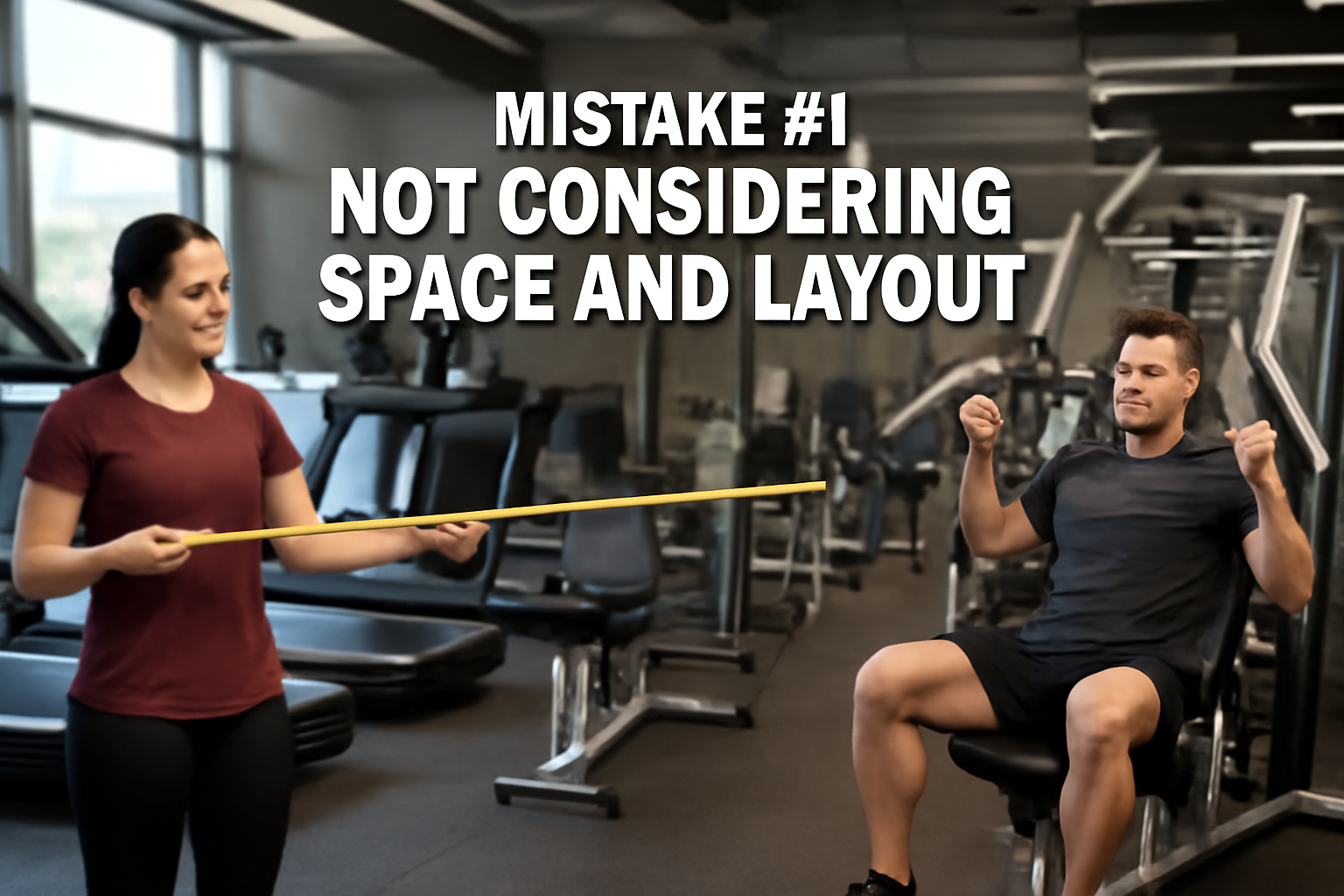
Buying gym equipment is exciting, but it's easy to make one big mistake: not thinking about space. Imagine buying new machines and then realising they don't fit. Or worse, they make the gym crowded and hard to move around. This mistake can waste money and ruin your gym's flow.
Why Space Planning is Important
Space planning is key to making your gym work. It's not just about fitting equipment in. It's about making sure your gym is safe and easy to use. If machines are too close together, it can make people feel cramped. They may have to wait to use a machine or even bump into others. A messy gym layout can also make cleaning complex and cause accidents.
If you don't plan your gym's layout, your clients may not enjoy their time there, which could make them want to leave.
How to Plan Your Space
Here's how you can avoid the space mistake:
- Measure Your Gym: Start by measuring the gym. Get the width, length, and height right. Think about where the doors, windows, or columns are. You need to know how much open space you have to move around.
- Create Areas for Different Zones: Split your gym into sections. For example, have a Cardio Zone for treadmills and bikes, a Strength Zone for weights, and an area for stretching. Leave enough room between the equipment to walk and stretch safely.
- Leave Room to Move: After placing the equipment, walk through the gym. Can you easily move from one machine to another? Ensure enough space to exercise safely without bumping into machines or other members.
- Plan for Growth: You may need more machines as your gym grows. Plan now for extra space to add equipment later without crowding the gym.
- Consider Accessibility: Ensure your gym is easy for everyone to use. If you have members with disabilities, make sure there are accessible machines and pathways.
How to Avoid the Space Mistake
Here are some tips to help you:
- Use Free Tools: Many gym equipment suppliers offer online tools to plan your space. These tools let you see how your equipment will fit before buying anything.
- Ask an Expert: If unsure, hire a gym layout expert. They can help you design the best layout for your space and needs.
- Don't Just Focus on Looks: Your gym should look good but work even better. Focus on creating a safe and easy-to-use space.
By planning your gym layout, you can avoid wasting money and make your gym more enjoyable. You'll also create a safe, organised space that keeps your members happy.
Mistake #2: Ignoring the Long-Term Costs
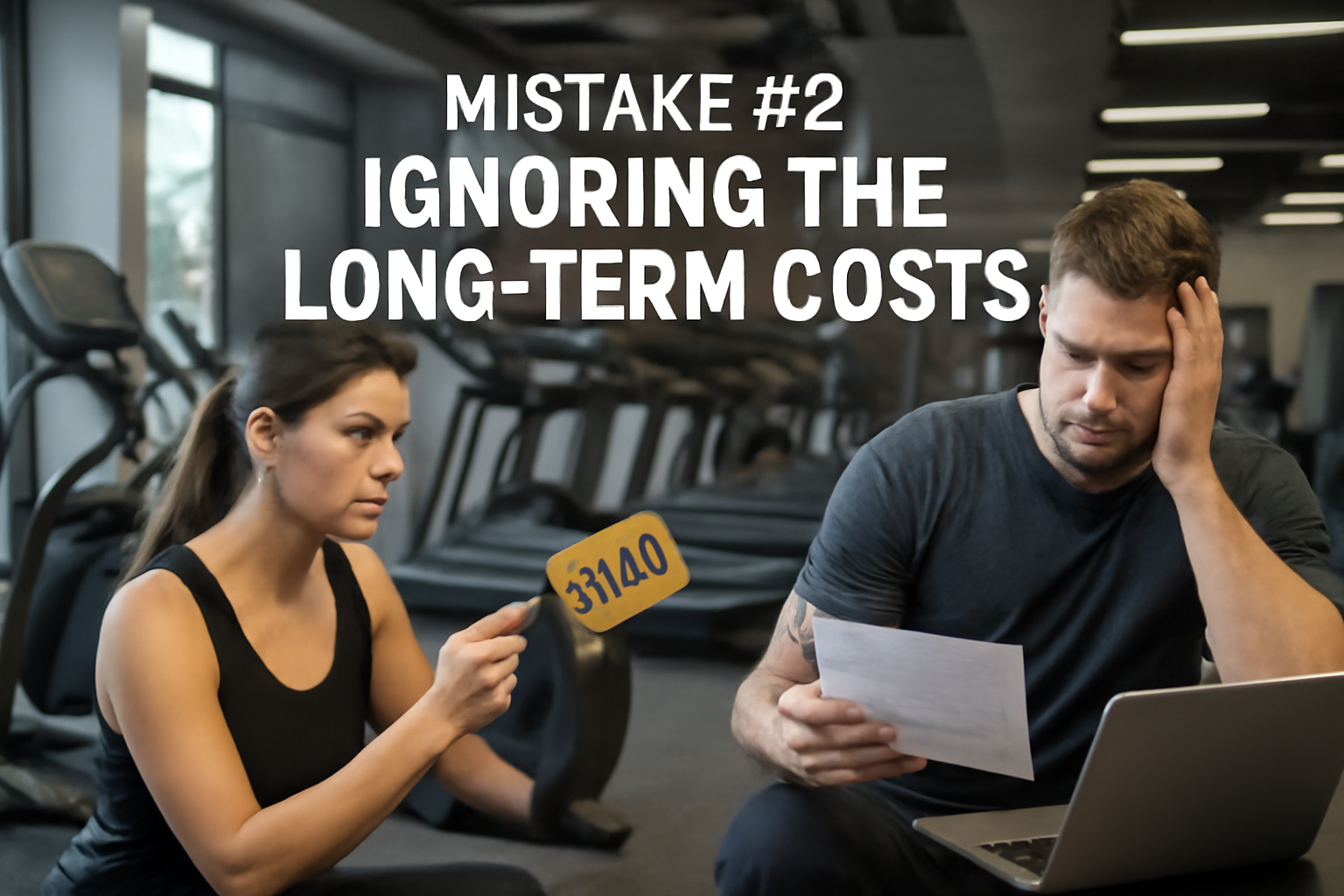
It's easy to look at the price tag of gym equipment and think you've found a great deal. But if you only focus on the upfront cost, you could set yourself up for bigger expenses. Many gym owners forget to consider the long-term costs, which can make their equipment more expensive in the long run.
Why Long-Term Costs Matter
When you buy gym equipment, you're not just paying for it once. You'll need to consider maintenance, repairs, and even the machines' energy costs. Over time, these costs can add up quickly. For example, a cheaper machine might break down more often, leading to higher repair costs. Or, energy-hungry machines could increase your electricity bill.
Ignoring these costs can affect your budget and your gym's profitability. You might struggle to cover these extra expenses if you don't plan for them.
How to Plan for Long-Term Costs
Here's how you can avoid the mistake of overlooking long-term costs:
- Consider the Cost of Maintenance: Some machines require more maintenance than others. Ensure you know how often the equipment will need servicing and how much that will cost. For example, treadmills need regular belt maintenance and lubrication.
- Check Warranty Offers: A good warranty can save you money. Some gym equipment comes with warranties that cover repairs for several years. Make sure you're aware of what's covered and for how long.
- Energy Efficiency: Some gym equipment uses more energy than others. Look for machines with low energy consumption to save on electricity costs. Machines with energy-saving modes can make a big difference.
- Track Hidden Costs: Don't forget smaller costs, like replacement parts or cleaning supplies. These might seem minor, but they can add up over time.
How to Avoid This Mistake
To avoid the long-term cost mistake, follow these tips:
- Research Equipment Lifespan: Before buying, check how long the equipment is expected to last and how often it needs maintenance. Choose equipment that's durable and has a long lifespan.
- Choose Reliable Brands: Invest in reputable brands known for quality and reliability. While these might cost more upfront, they often require fewer repairs, saving you money in the long run.
- Factor in Operating Costs: Look beyond the purchase price. Calculate the ongoing costs of running the equipment, such as energy use, maintenance, and repairs.
Considering the long-term costs, you can invest smarter in your gym equipment. This will help you keep your gym running smoothly and avoid unexpected expenses that could hurt your bottom line.
Mistake #3: Focusing Only on Price
It's easy to want to save money when buying gym equipment. However, focusing only on price can hurt your gym in the long run. While cheap equipment may seem like a good deal, it can lead to bigger problems. These could include frequent repairs, unhappy clients, and even broken machines.
Why Price Isn't Everything
Choosing cheap equipment may save you money now. But over time, it can cost you more. More affordable machines tend to break down more often. They may also lack the features your gym needs. This can frustrate your clients and lead to higher maintenance costs. If your equipment doesn't last, you'll spend more to replace it.
Also, low-cost equipment may not be safe or comfortable to use. This can hurt your gym's reputation and turn clients away. They want a smooth, easy workout, not equipment that is hard to use or uncomfortable.
How to Choose Equipment the Right Way
Here's how to avoid focusing just on price:
- Pick Quality Equipment: Choose equipment that is made to last. It may cost more, but it will save you money on repairs and replacements.
- Think About Comfort: Your members want to feel good using your machines. Pick equipment that is easy to use and comfortable. Happy clients are more likely to come back.
- Look at Features, Not Just Price: Some machines may cost more but offer better features. For example, cardio machines with more settings or built-in screens better fit your gym. These features can improve your members' workout experience.
- Check Warranties: A cheaper machine might not come with a good warranty. Make sure you choose equipment with strong warranties. This can help you save money on repairs.
How to Avoid This Mistake
To avoid focusing only on price, try these tips:
- Think Long-Term: A higher-priced machine might last longer, saving you money in the future.
- Read Reviews: Check what other people say about the equipment. Look for feedback on quality, comfort, and reliability.
- Test the Equipment: If you can, try out the machines before buying them. This way, you'll know they fit your gym well.
Choosing quality equipment will improve the client experience and save you money over time. It's worth investing in equipment that lasts and helps your gym succeed.
Mistake #4: Not Considering User Experience and Versatility
Many gym owners focus too much on price or brand when buying gym equipment. They often forget to consider how the equipment feels to use. If the equipment is uncomfortable or hard to use, people won't enjoy their workout, which can make your gym less popular.
Why User Experience is Important
User experience is how easy and enjoyable it is to use equipment. If the equipment is hard to use or uncomfortable, your members won't return. But when equipment is easy to use and feels good, people will enjoy their workout. They will come back and even recommend your gym to others.
For example, a treadmill with adjustable handlebars can make running more comfortable. If the equipment can't adjust to fit the person, it can cause pain. This makes the workout worse and may make members leave your gym.
Why Versatility Helps
Versatile equipment is valuable. Machines that do more than one exercise save space and money. For example, a machine that works both arms and legs helps more people without taking up extra room. Versatile machines can also appeal to more types of people. They can be used for strength training, cardio, or stretching.
With versatile equipment, you don't need as many machines. This is especially helpful if your gym has limited space.
How to Choose Comfortable and Versatile Equipment
Here are simple tips for choosing good equipment:
- Comfort: The equipment should be comfortable to use. Make sure the seats and handles adjust easily. Look for machines that fit different body types and are easy to use.
- Multi-Function Machines: Choose machines that offer more than one exercise. A rower that also works the legs or a treadmill with an incline will help your members do more with less equipment.
- Ease of Use: The equipment should be easy to use. Look for machines with simple buttons, transparent screens, and easy settings. Your members shouldn't have to guess how to use it.
- Adjustable Features: Make sure the equipment can fit different people. Adjustable resistance, seat height, and incline will help all users get the best workout.
How to Avoid This Mistake
Follow these tips to avoid this mistake:
- Test Equipment: Try out the machines before buying them. Ask your members for feedback about how comfortable and easy the equipment is.
- Choose Adjustable Machines: Look for machines that can be adjusted to fit different people. This will help all users get the most out of their workout.
- Pick Versatile Equipment: Don't buy several machines that do the same thing. Choose machines that can do different exercises. This saves space and money.
To make your gym more enjoyable, choose comfortable, easy-to-use, and versatile equipment. When members are happy, they stay longer and tell others about your gym.
Mistake #5: Failing to Research Brands and Reviews

It's easy to choose gym equipment based on looks or price. However, not researching the brand or reading reviews can cost you money in the long run. Trusted brands usually offer better quality and last longer.
Why Research is Important
Choosing a brand with a good reputation is key. Well-known brands offer better customer service and have longer-lasting products. Without research, you could end up with equipment that breaks down fast or is hard to fix.
Reviews can also help. They give you real feedback from other gym owners or users, which can help you avoid buying bad equipment.
How to Do Proper Research
Here's how to make the best choice:
- Stick with Trusted Brands: Choose brands with a strong reputation. They usually make equipment that lasts and performs well.
- Read Customer Reviews: See what other people say. Check reviews to see how the equipment works over time. Positive feedback can help you decide.
- Check the Warranty: Good brands offer strong warranties. Ensure the equipment has a warranty to protect you from considerable repair costs.
- Compare Equipment: Don't buy the first thing you see. Compare different options, check the features, and read reviews before buying.
How to Avoid This Mistake
Follow these tips:
- Read Reviews: Look at reviews to get a clear idea of the equipment's quality and performance.
- Choose Well-Known Brands: Pick brands with a good reputation for quality.
- Check Warranties: Ensure the equipment comes with a solid warranty.
By researching brands and reviews, you'll avoid wasting money and ensure you buy high-quality equipment that lasts. A little time spent now can save you big problems later.
Conclusion
In conclusion, buying gym equipment requires careful thought. Avoid common mistakes like not planning your space, ignoring long-term costs, focusing only on price, or missing user experience and versatility. Doing so will help you make better choices for your gym and members.
The right equipment can make your gym a success and keep clients happy. Consider space, costs, and ease of use. Versatile, well-designed equipment will help your gym stand out.
At Hamilton Home Fitness, we offer high-quality gym equipment made to last. Our products are designed to provide comfort and outstanding results for your members.
Now it's time to act. Start planning and researching the best equipment for your gym today. Have questions or thoughts? Leave a comment below. Feel free to share this post with others who might find it helpful!